A Different Way to Think About the End of the School Year.
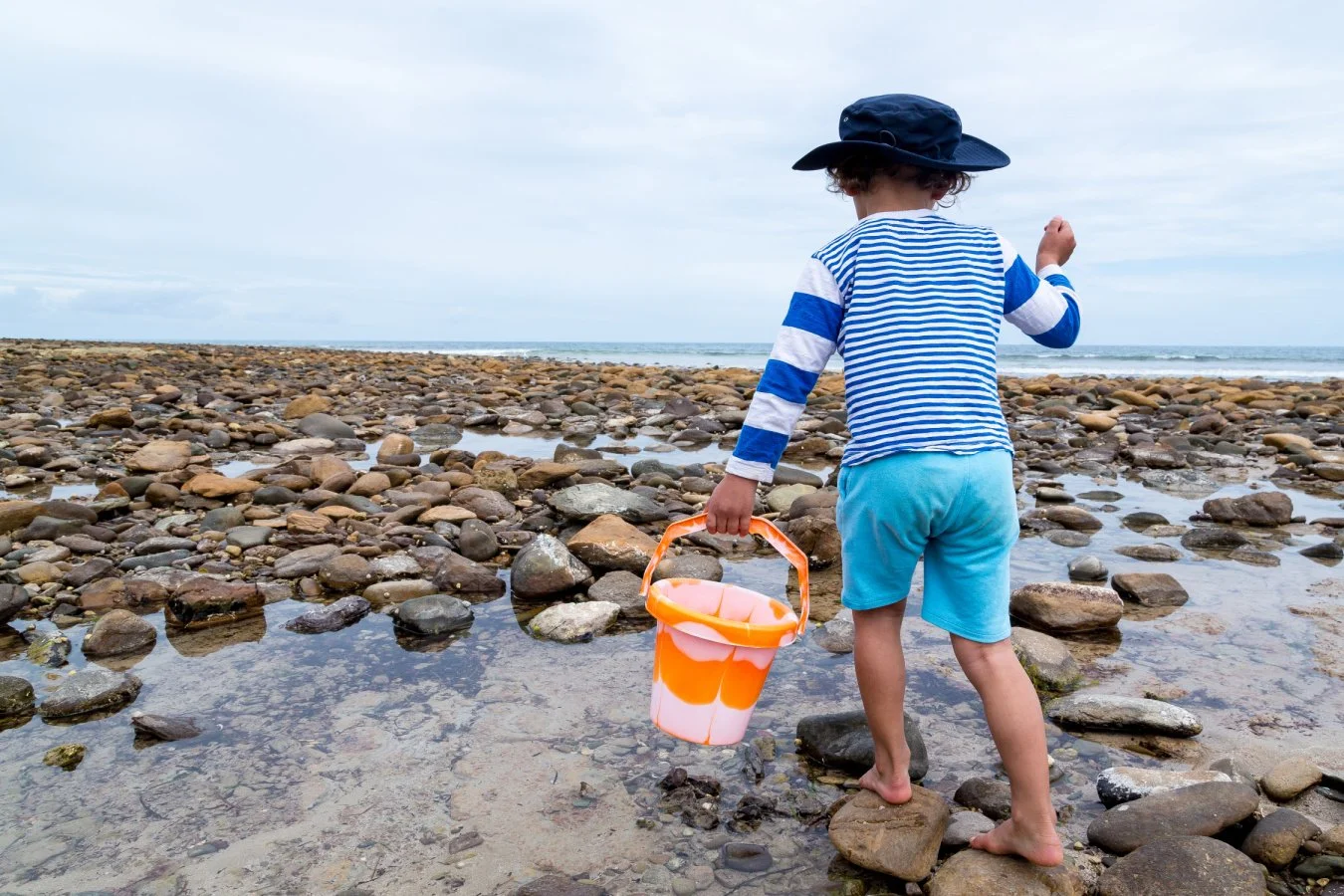
Take a moment to reframe the end of the school year.
There is a particular feeling that sometimes surfaces in the final stretch of the homeschool year. A bit of tightness. A sense of urgency. A quiet question just under the surface… have we done enough?
Sometimes, this feeling passes quickly. But sometimes, it lingers - and begins to shape how we move through these last weeks. And not always in ways that feel good.
If you’re noticing that something feels a little “off” as you approach the end of your year, it may be worth pausing - not to fix anything immediately, but simply to notice.
Here are a few gentle red flags I’ve come to look out for:
1. “We have to finish everything.”
This one can sneak in quietly.
A growing pressure to complete every lesson… to make sure nothing is left undone.
You might notice the pace picking up. Your tone shifting. Maybe your days are feeling a little more strained.
Underneath this is often a belief that coverage equals learning.
But (and, the wisest version of you already knows this) learning doesn’t unfold as a checklist.
When we prioritize completion over connection, something important can begin to slip.
Sometimes, finishing well looks less like doing everything - and more like protecting what matters most.
2. Measuring the year only by what can be seen
At this point in the year, it’s easy to look for proof. What has my child learned? What can they show for it? And when the answers feel unclear, doubt can creep in. But so much of learning - especially in a home environment - is not immediately visible.
It lives in:
growing confidence
increased resilience
a deepening relationship to learning itself
There is a version of homeschooling that quietly mirrors the systems many of us were hoping to step away from - where only measurable outcomes “count.”
But much of what matters most cannot be neatly measured.
And it is still real.
3. Everything feels heavy, but we push through anyway
Late in the year, energy naturally shifts. What once felt manageable may now feel like a stretch.
And yet, it can be tempting to respond by pushing harder - trying to maintain the same pace, the same expectations, the same load.
You might notice:
more resistance
more fatigue (for you and your child)
less joy
It’s easy to interpret this as a need for more discipline. But sometimes, it’s simply a sign that something needs to soften. Knowing when to lighten the load is not a failure of commitment. It’s part of wise, responsive teaching.
4. Letting rhythm slip in favor of urgency
When the end of the year approaches, rhythm can begin to unravel.
Days become less predictable. There’s a sense of trying to “fit it all in.” The steady flow that once supported your homeschool starts to feel harder to hold.
But rhythm isn’t just a nice idea - it’s a foundational support. Especially when energy is low. In fact, this is often when it matters most.
A simple, familiar structure can carry both you and your child when motivation fades. Not by adding more - but by holding what’s already there.
5. Reaching the end… and moving on too quickly
And then, suddenly, it’s over.
The books are closed. The materials are put away. Attention shifts to what’s next.
Without much pause to acknowledge what has been, you can be left with a quiet sense of incompleteness. Not because something was missing - but because it was never fully seen.
Closure doesn’t need to be elaborate.
But even a small moment of reflection can help bring a sense of meaning to the year. A way of saying:
Something happened here. And it mattered.
Reframe
If you recognize any of these patterns, take heart, there’s nothing here to fix or judge! These are common currents - shaped not just by our own expectations, but by the wider homeschooling culture we’re part of.
A culture that can, at times, emphasize:
productivity over presence
visible results over lived experience
And yet, many of us came to homeschooling for something different. Something slower, more human, more connected.
The end of the year can be a gentle invitation to return to that.
Finishing with Care

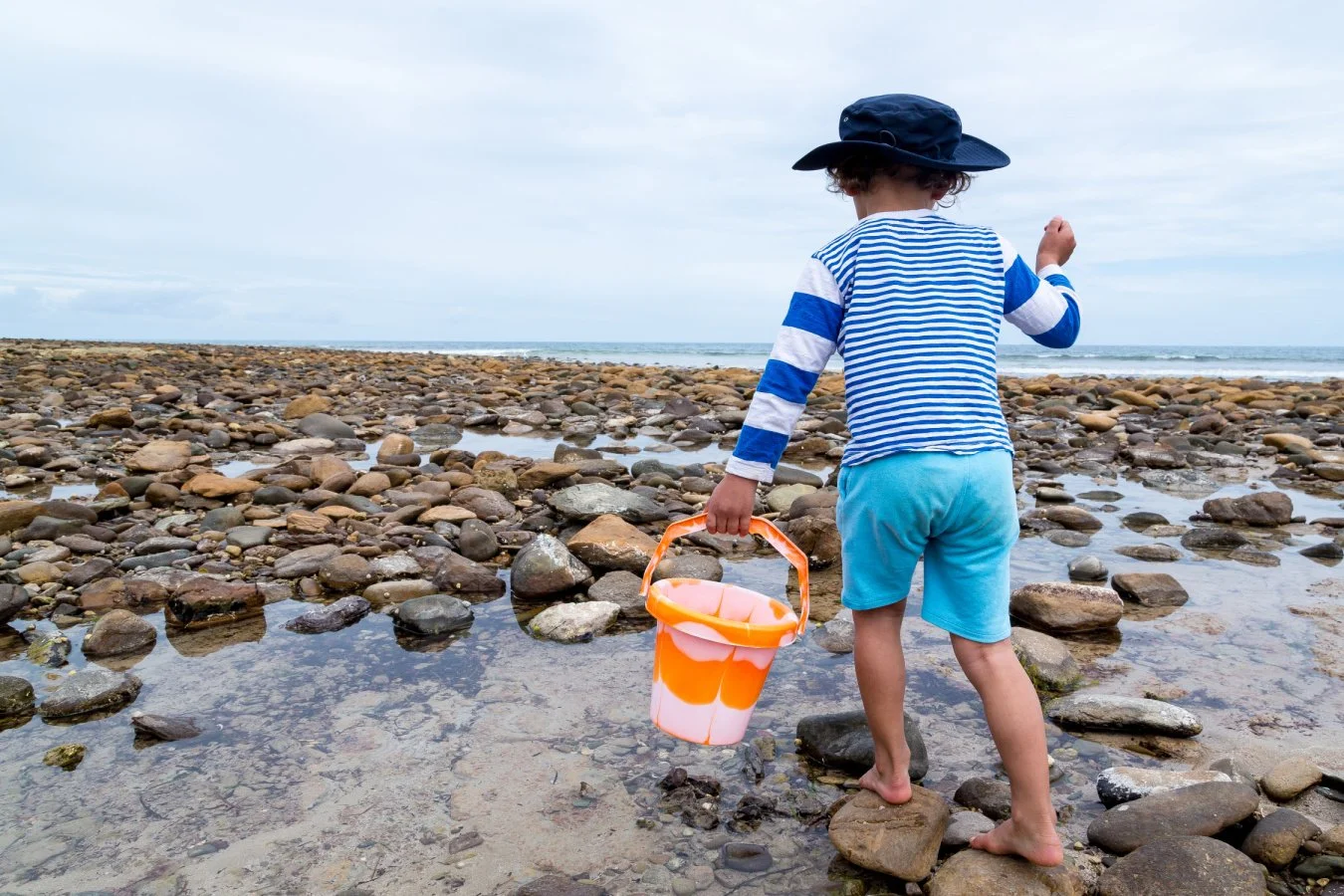
Finish the school year with intention and care.
Finishing well isn’t about proving something. It’s not about tying everything up neatly or arriving at a perfect endpoint.
It’s about noticing what has unfolded… honoring it… and allowing it to be enough. Even if parts are unfinished.
Especially then. Because something real has taken place over these months.
In the movement of living day by day, learning has happened.
Growth has unfolded.




About the Author
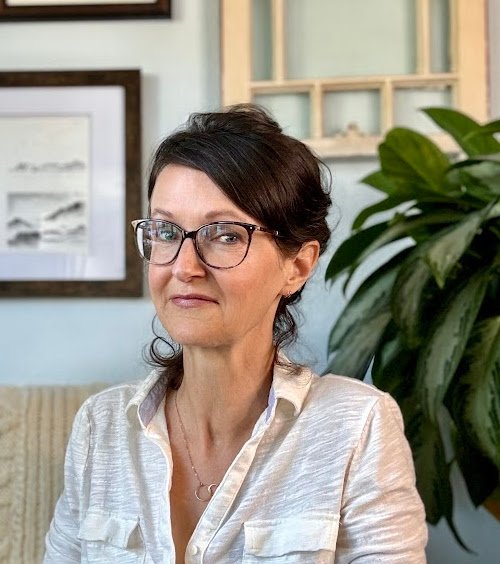
Robyn Beaufoy is Waldorfish’s CEO, and a course instructor for some of our courses - Waldorf Art for Beginners, Weekly Art Foundations, and Simple Season. You’ll find her intuitive touches and influences throughout everything Waldorfish offers! Robyn has been in the world of education for over 25 years, with an MA in Education and a certification in Waldorf teaching - she also homeschooled both of her children. In 2012 Robyn co-founded Waldorfish.com, creating it with the vision of making Waldorf-inspired art and pedagogy more accessible, joyful, and doable for homeschoolers all over the world.