
Waldorfish Blog

Lazure Basics - by Charles Andrade
We're excited to have Lazure master Charles Andrade joining us on Waldorfish!
We invited Charles to share the basics of this art form. His work is, in a word, stunning.
What is Lazure?
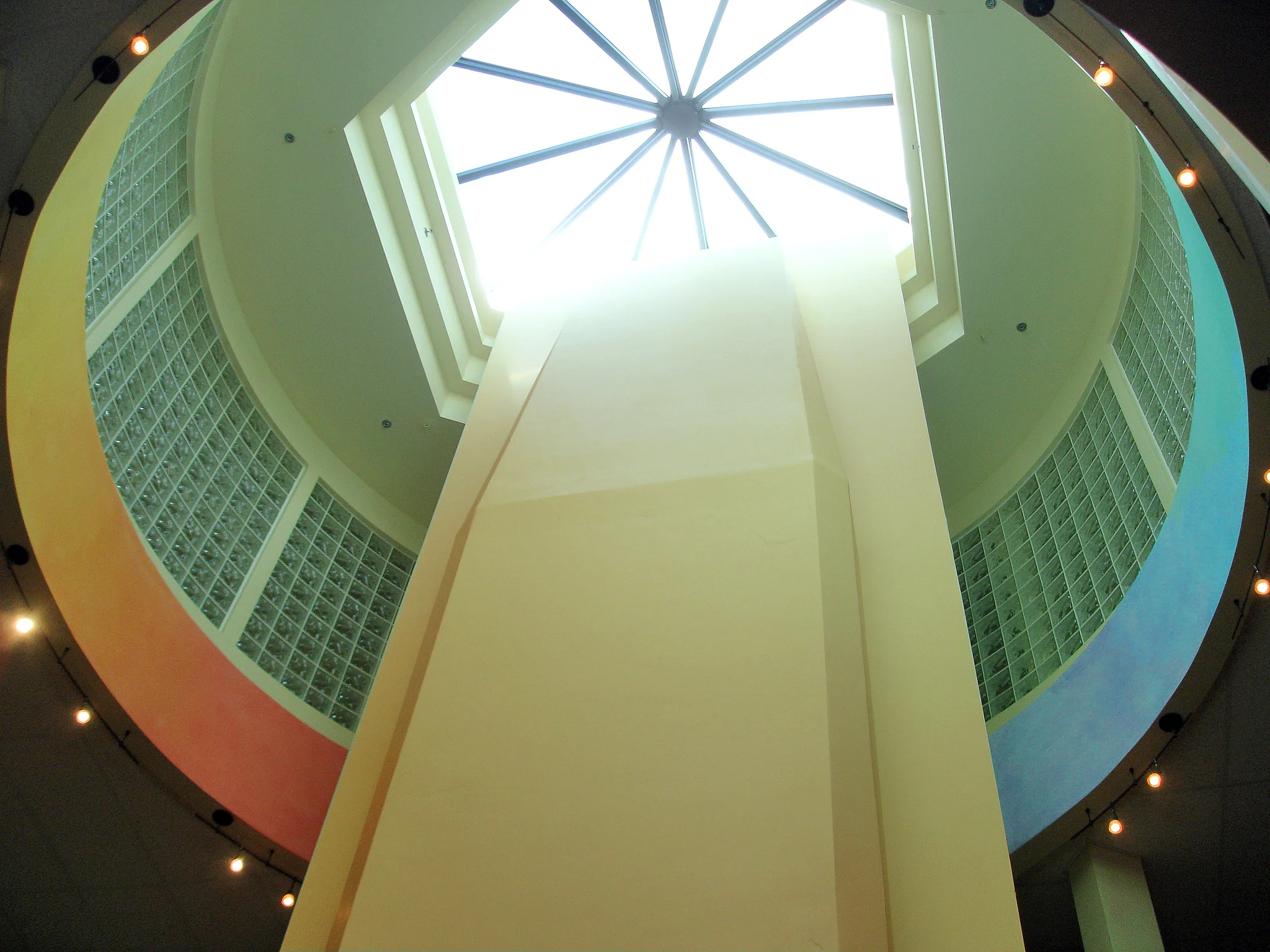
Win Institute Atrium
Lazure is a decorative paint finish using layers of color wash over white walls that allows the light to pass through and reflect back giving a pure color experience that can have a powerful healing influence. Lazure distinguishes itself from other decorative techniques in that it doesn't rely on "visual texture" (ie: ragging, bagging), but instead, on the atmospheric blushing of analogous colors, offering a calming or dynamic movement of color on the walls that changes tones throughout the day.
Lazure painting was initially created by Rudolf Steiner for the performance hall ceilings of the Goetheanum, which is the headquarters of the international Anthroposophical Society, located in Dornach, Switzerland. He developed Lazure as a means to bringing the most luminous quality of color. Years later, after he had created and developed the Waldorf School movement, Steiner instructed the teachers and parents in how to ensoul the walls of the school with Lazure.
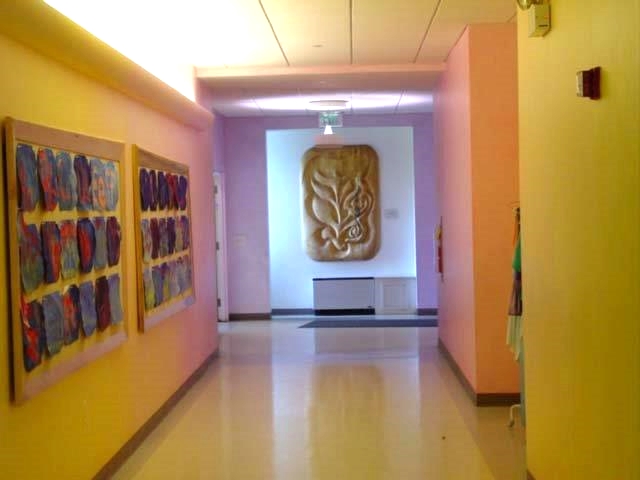


(Photos left to right: Baltimore Waldorf School, Westside Waldorf School, Michael Park Waldorf school)


(Photos left to right: meditation room, private residence)
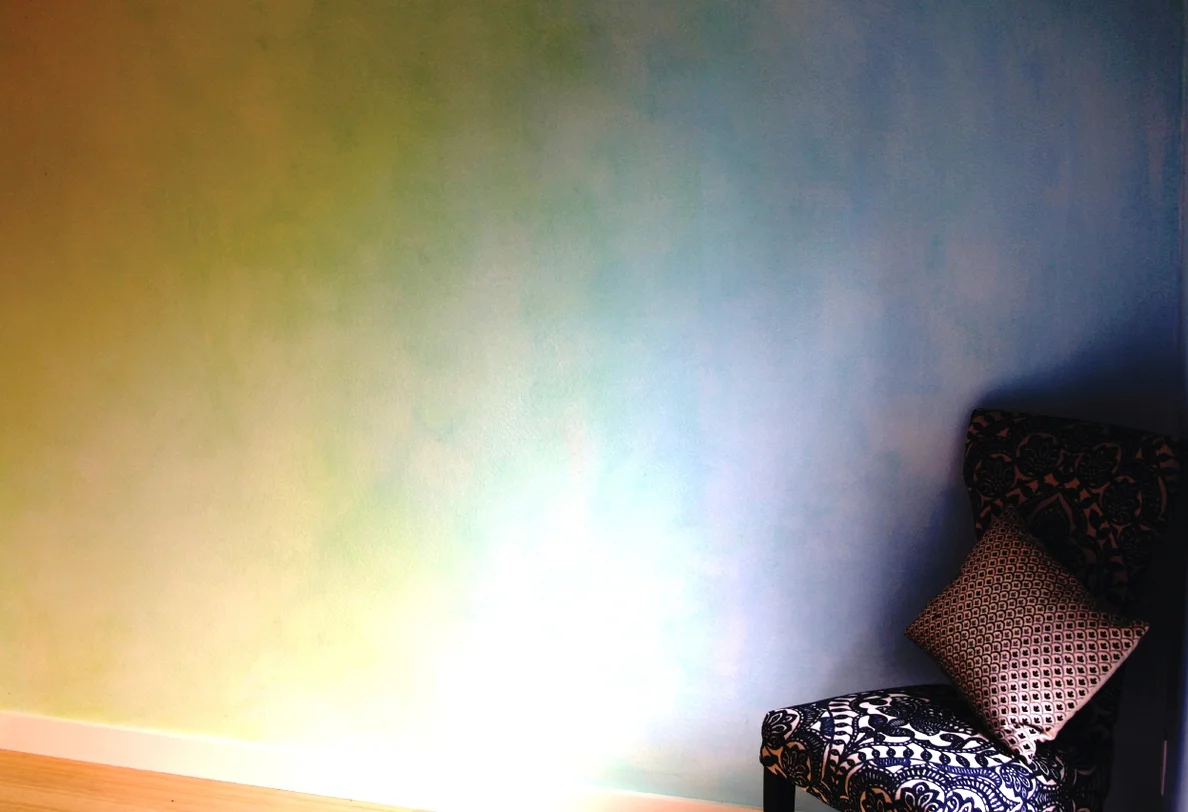
Private residence.



Artist and Lazurist, Charles Andrade has had a life-long fascination with color and painting that has evolved from his initial training in Anthroposophic Art therapy at the Tobias school in England. There, he also learned Lazure, a unique European wall treatment creating healing interior environments. Andrade has owned and operated Lazure Custom Wall Designs for over 25 years – a mural and decorative/faux painting business, specializing in Lazure.
Additionally, he lectures, teaches fine art classes and offers Lazure workshops worldwide.
Try a free art lesson, on us!

Curious about Waldorf-inspired art?





On Dragons and Making Swords :: Christy Corp-Minamiji
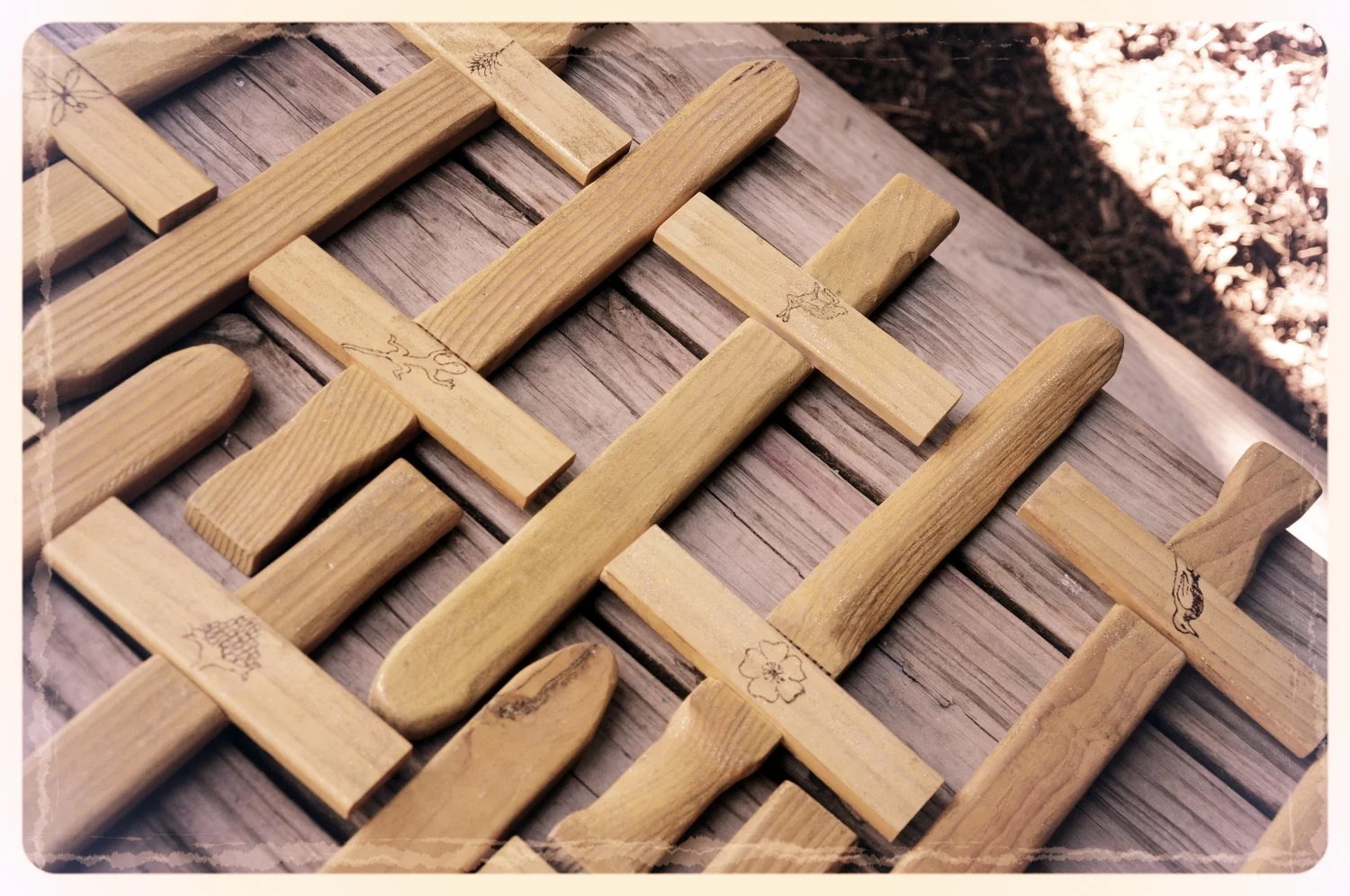
Fairy tales are more than true — not because they tell us dragons exist, but because they tell us dragons can be beaten.
I’ve loved this internet-ubiquitous quote, typically attributed to G.K. Chesterton, for a long time. To me it conjures images of golden capes, wooden swords, and bringing light to the fears that lie snarling in the caves of our hearts.
When I looked up the words to verify them for this post, I found something even better. The above line is actually the work of author Neil Gaiman, paraphrasing the longer Chesterton passage.
Fairy tales, then, are not responsible for producing in children fear, or any of the shapes of fear; fairy tales do not give the child the idea of the evil or the ugly; that is in the child already, because it is in the world already. Fairy tales do not give the child his first idea of bogey. What fairy tales give the child is his first clear idea of the possible defeat of bogey. The baby has known the dragon intimately ever since he had an imagination. What the fairy tale provides for him is a St. George to kill the dragon. Exactly what the fairy tale does is this: it accustoms him for a series of clear pictures to the idea that these limitless terrors had a limit, that these shapeless enemies have enemies in the knights of God, that there is something in the universe more mystical than darkness, and stronger than strong fear.
When my children first started Waldorf education, like most new Waldorf parents, their dad and I felt like we had wandered into a foreign country.
One of the most baffling things was this Michaelmas deal. I knew the word from my obsessive reading of old English mystery novels, but I’d heard it in reference to university terms, and couldn’t figure out what that had to do with kids and dragons. Internet research wasn’t any more help. Something to do with the story of St. George? Okay, but who was this Michael guy? And why did my second grade daughter need a peasant costume and how was I supposed to do this in a couple of weeks?
Over the years, Michaelmas has become one of my favorite Waldorf festivals – as Gaiman would say, not because the dragon exists, but because it can be beaten.
Modern parenting seems to dictate that we should protect our children from the bogey and even from knowledge of its existence. But “it is in the world already.” Children know the terrors that lurk under the bed, in the dark, and in the whispers of grownups.
With fairy tales and golden capes and wooden swords and songs, we stop lying to them. When we show them the monsters and evil hiding in the stories, and help them shape their weapons, when we give them the words to “conquer fear and wrath,” we validate what they already know – that there are dragons.
Instead of closing the closet door and saying, “Don’t worry honey, there’s nothing bad in the night” as we lock and bar our windows and doors, we give them a light to shine into the shadows. We acknowledge the monster, show them its dimensions and limits, and give them the tools to rescue themselves.
My children are well beyond the years of wooden swords. The oldest is going into 10th grade – her second year of public school. My son was part of his class dragon last year; this school year he will turn 13. And our youngest daughter is in the between-land of village and dragon, heading into 4th grade. Their dad and I don’t worry much anymore about the effects of cartoon violence or “scary stories.” Our dragons take the form of traffic and strangers as our children head independently into the world. Their monsters lurk in the caves of peer pressure and college choices.
But each of them has been at some point a knight of Michael. And they know that dragons can be beaten.

Christy Corp-Minamiji is our reluctant muse. A mom of three distinctly divine, loved-by-us kids, she takes everything, and mostly herself, with a grain of salt. Blogging veterinarian, freelance writer, runner, and soon-to-be-author, she took our beg and ran with it. Literally.
Related content:




Looking for something?

Welcome to Waldorfish! We started this adventure in 2012 out of a desire to make Waldorf training more accessible to class teachers in remote locations and to homeschooling families everywhere! Read more, click here.




WE WON! Our Weekly Art courses were voted “best interactive art program.” Learn more about the award, here.


Click here for a full list of schools we work with.
A few of our most popular blog posts:

Who are our courses for?

Starting Waldorf First Grade

4 Things to Know Before Planning Your Homeschool Year

In Praise of Balance: A Healthy Festival Life

Science in Waldorf Middle School: Starting Something New!