
Waldorfish Blog

4 Questions (we should all be asking on behalf of our children)
Crafting the rhythm of our children's days and school year can start to feel daunting when we consider all the various options available to our families.
Several years ago it became urgently important that we find a way to distill our planning process down to focusing on the things we considered MOST important. We want to share with you the 4 guiding questions that were the result of our reflections. Brian and I ask ourselves these questions when making decisions for our children, in regards to schooling and at home.
Whether you are new to Waldorf(ish) education, planning your next homeschool curriculum, or looking to make a course correction when you feel like you may have wandered off track, these gems can serve as guideposts. They come out of our successes as well as our failures.
Simple. Useable. Right now.
The 4 questions:
(I encourage you to take your time reading these. Really savor Each. Word. Perhaps keep a piece of paper nearby to write down your immediate responses & thoughts.)
1. Does this (activity, toy or program, etc.) encourage creative thinking? Thinking that is permeated with imagination, flexibility, and focus?
2. Does this experience help foster my child’s emotional intelligence? Is it helping my child develop empathy, and building their self esteem?
3. Is this (activity, toy or program, etc.) promoting my child’s physical vitality, stamina and perseverance?
4. Is this (activity, toy or program) helping to nurture a spiritual depth within my child? One born out of an appreciation and responsibility for the earth, their work and for their fellow human beings?

Take your time to reflect on what your child really needs in their daily learning experience.
Bonus Gem:
This piece, written by longtime class teacher, Steven Sagarin, is such a perfect compliment to this process of reflection:
(Pro-Tip)
Read his article in chunks, accompanied by good chocolate. Give yourself time to go about your day and let each section sink in before reading the next.
**Essentially, we believe that a Waldorf education can take a variety of forms and still be PERFECT.**
“According to each teachers individuality, outer forms of teaching may vary enormously in the different classes, and yet the fundamental qualities are retained...in a Waldorf school outer forms do not follow set patterns, so that it is quite possible for one teacher to teach his class of 9 year olds well, while another who takes a completely different line, can be an equally good teacher...and as long as the teacher feels in harmony with the underlying principals, and with the methods employed, he must be given freedom in his work instead of being tied to fixed standards. ”

We'd love to hear your thoughts!
All love,
Robyn
We’d love to teach for you this year!
Questions? Let us know how we can help —> Click here!
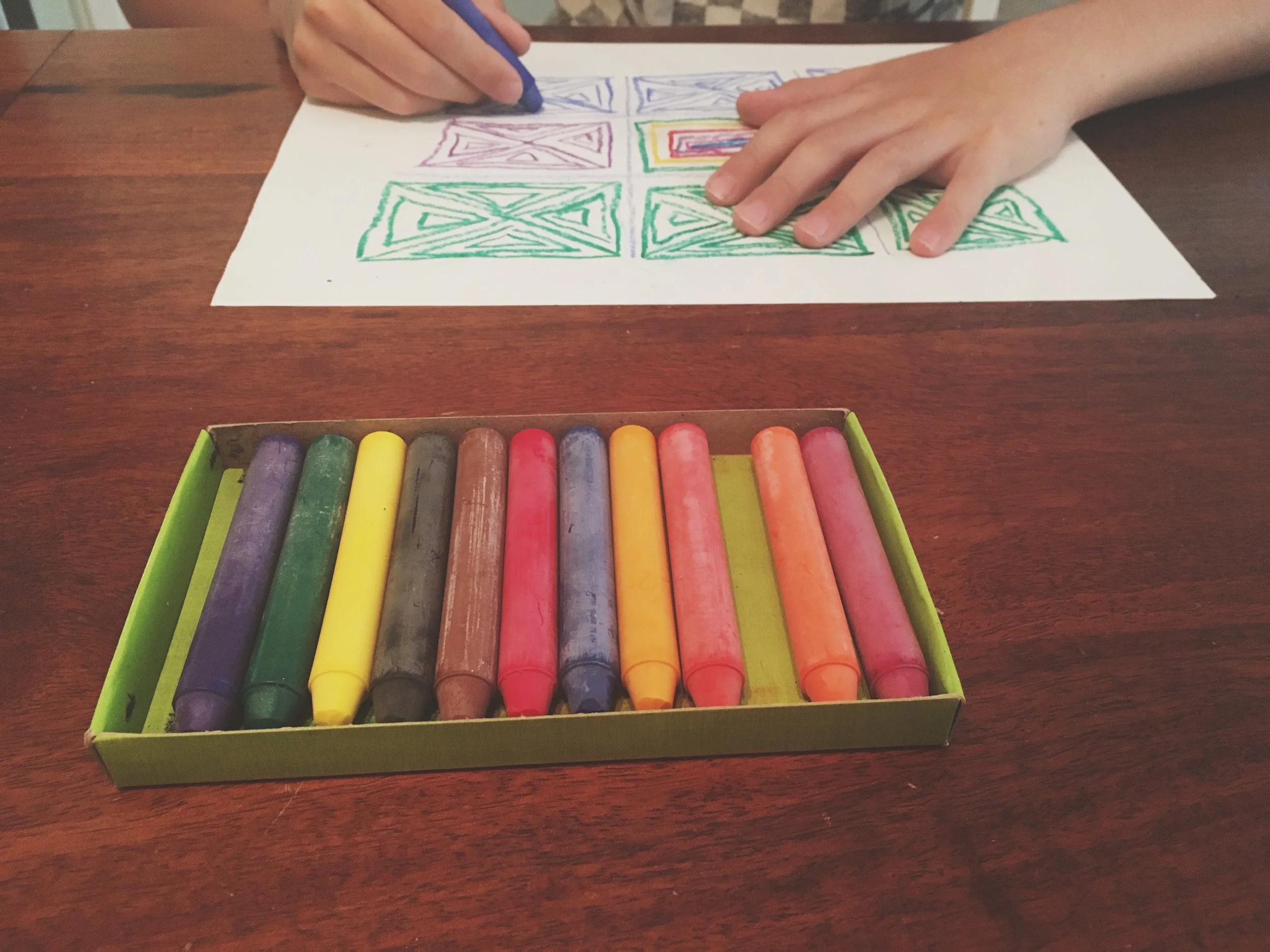
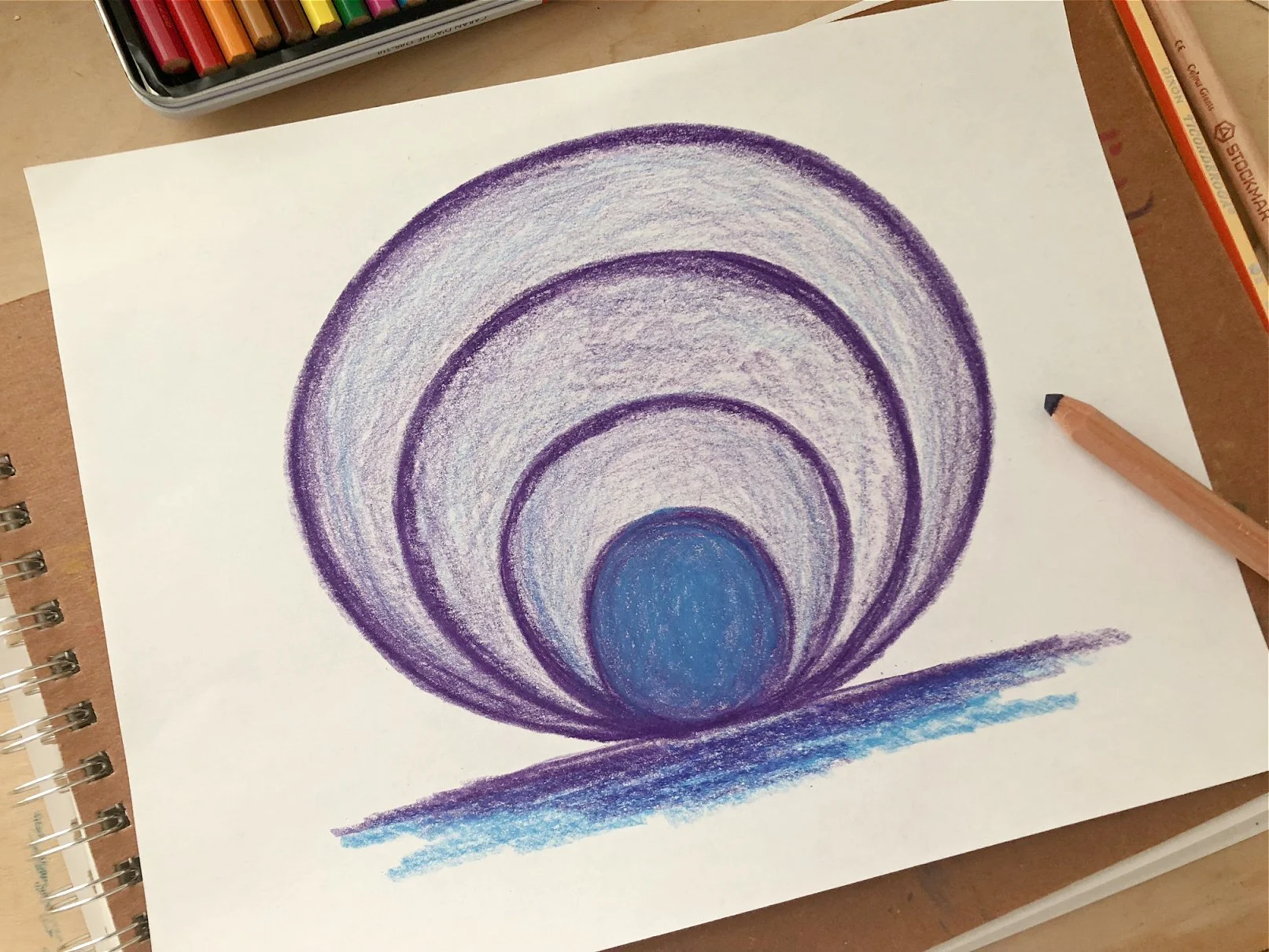
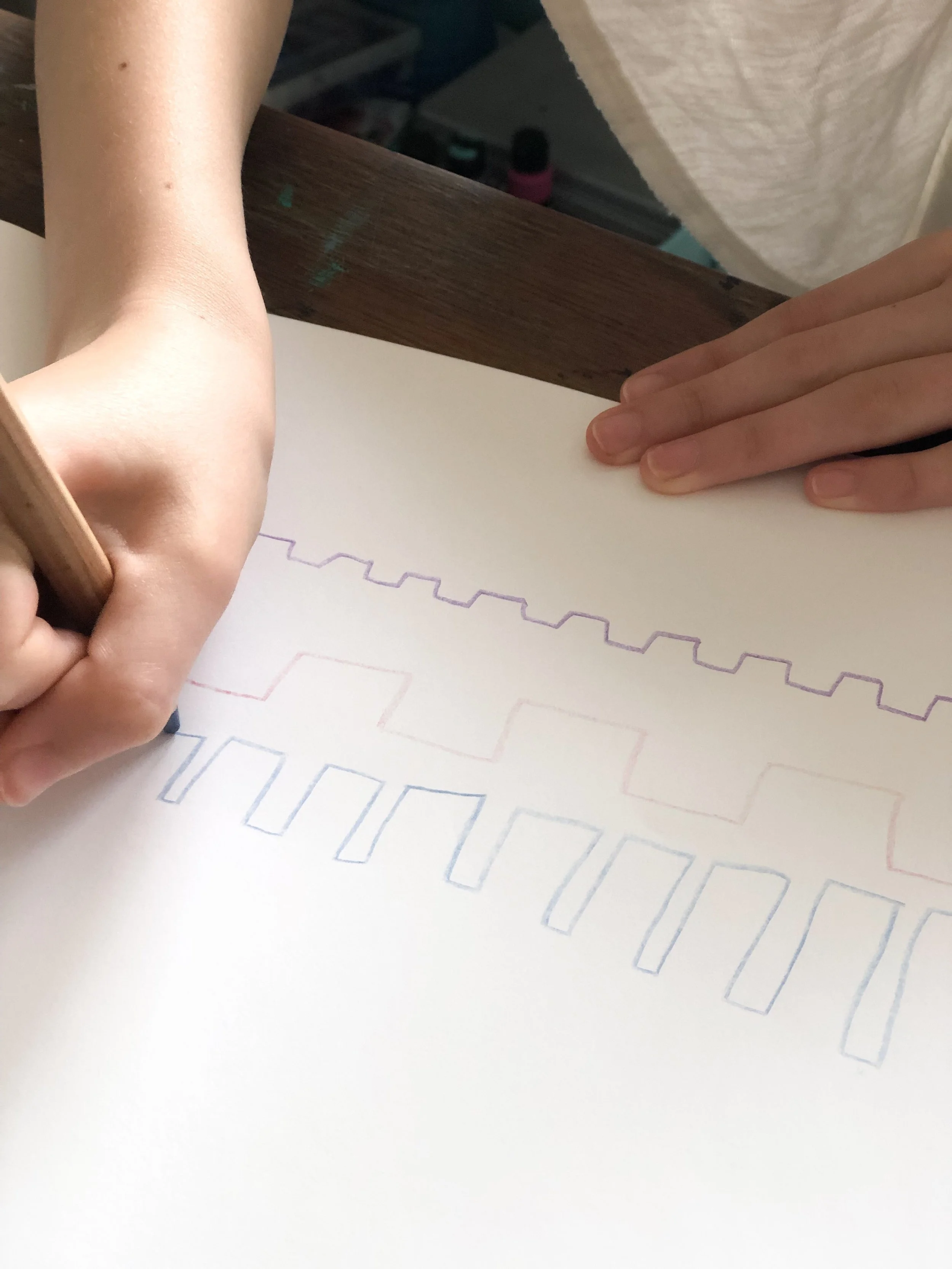
What is Form Drawing?

Form drawing is a cornerstone of Waldorf curriculum in grades 1-4.
I will freely admit to anyone that knows what Waldorf form drawing is that I was terrified to bring it into a homeschool environment.
What, exactly, was encoded in those mysterious lines and shapes? What esoteric wisdom did I need to attain before I could try to impart this practice to my son? Like most things I fear, the answers were not as complicated as I originally thought.
“The child’s capacity to develop an integrated sense for spatial orientation – upwards, downwards; left, right; center, periphery – is supported in the practice of form drawing.”
Form drawing, it turns out, is a brilliant way to work with one’s senses...senses being of great importance in a Waldorf education. Paper and pencil serve as a lantern, illuminating our inner selves, the forms creating a blueprint of our inner (and outer) orientation.
" Rudolf Steiner, in his many lectures on this subject, speaks of twelve senses. Added to the usual five, there is a human sense for rhythm, warmth, balance, movement and so on..."
- The Incarnating Child, pg. 73
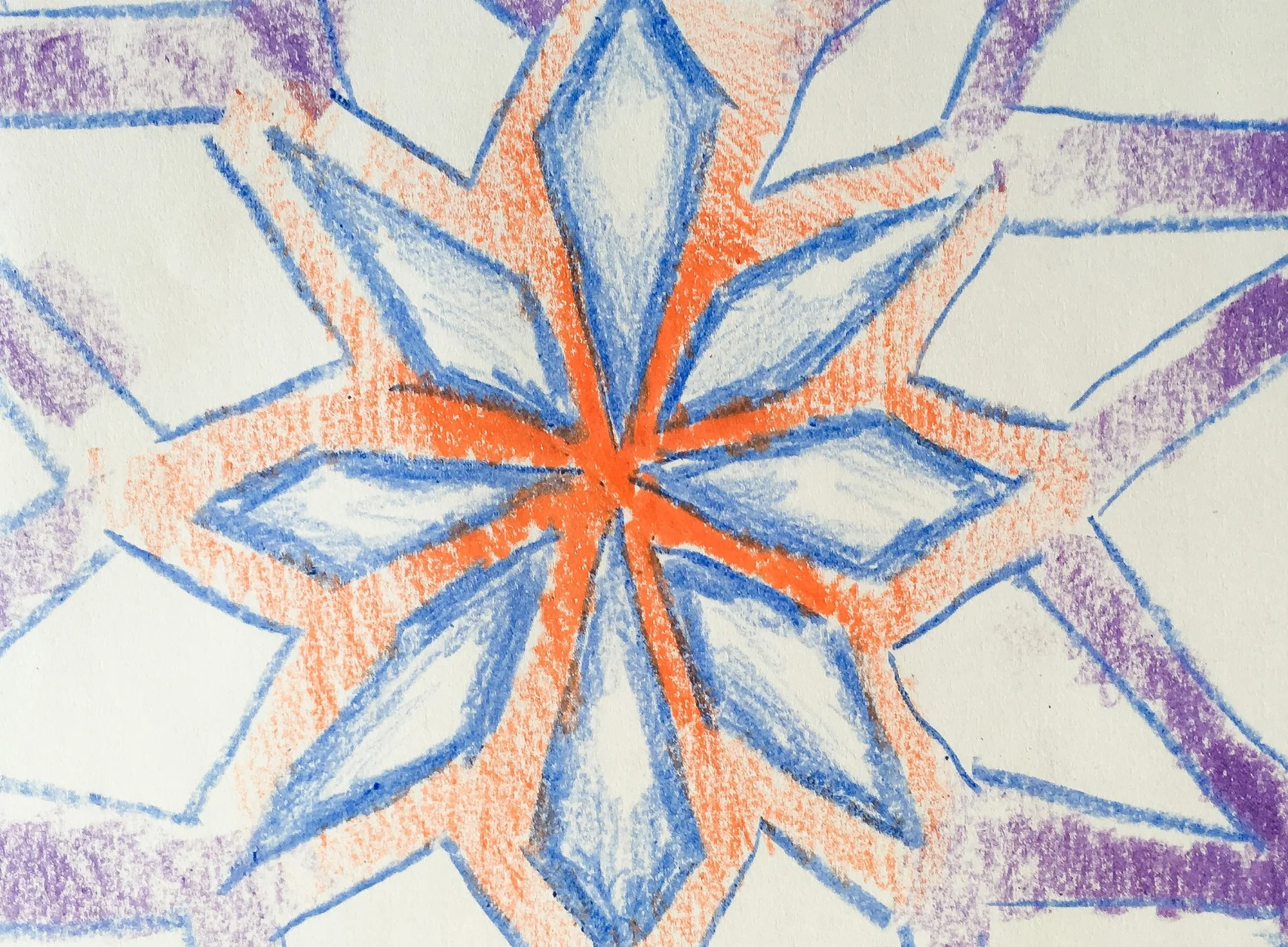
Form drawing is a beautiful way to bring color and form together.
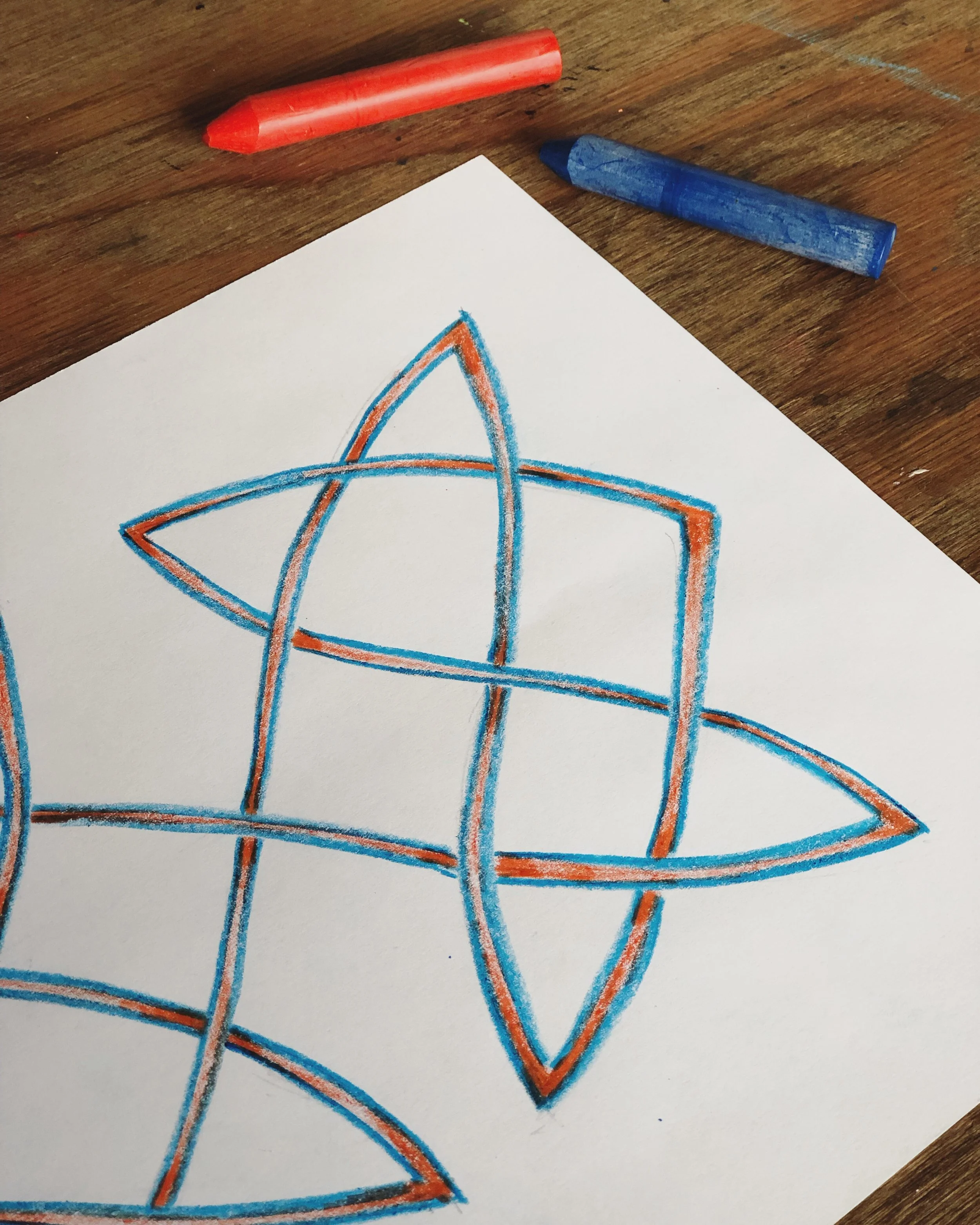
Beginning in first grade and extending throughout her time at a Waldorf school, a student engages in drawing exercises that range from very simple to very complex, according to her grade and various topics of study. Straight and curved lines form the foundation for letters in 1stgrade, for Celtic knots in 4th and Geometry in middle school. Over and over, drawing both imparts knowledge and folds it back into oneself.
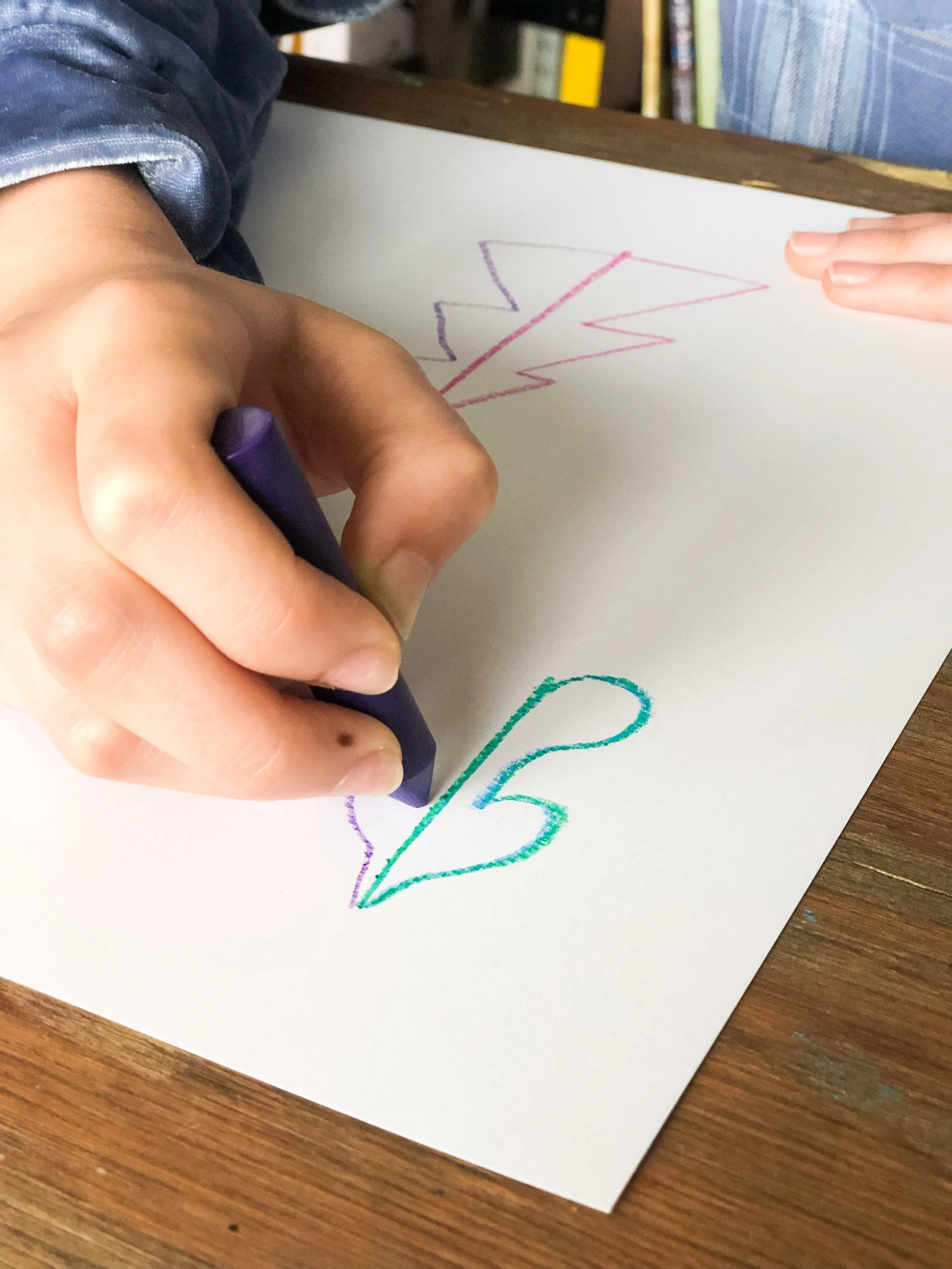
"Straight lines and curves are the starting points for form drawing. This begins with the discovery that the line is a path along which one can move. Children should experience the characteristic difference between straight lines and curves through drawing them, after having explored their character through whole bodily movement in space."
- The Tasks and Content of the Steiner-Waldorf Curriculum, p.137
Much can be ascertained about the form drawer from this kind of work, and the analytical angle is an important one. There is, however, another important aspect of Form Drawing that should not be overlooked: it’s a lot of fun. As soon as I embraced form drawing as the journey itself (instead of a perfect form being the destination), our weekly work became something to look forward to.
Don't forget to practice!
Forms can and should be returned to time and again for a variety of reasons that will become clear to you as you study, draw, reflect, and repeat. Remember that they are not about achieving anything in particular. Think of them as a friendly guide.
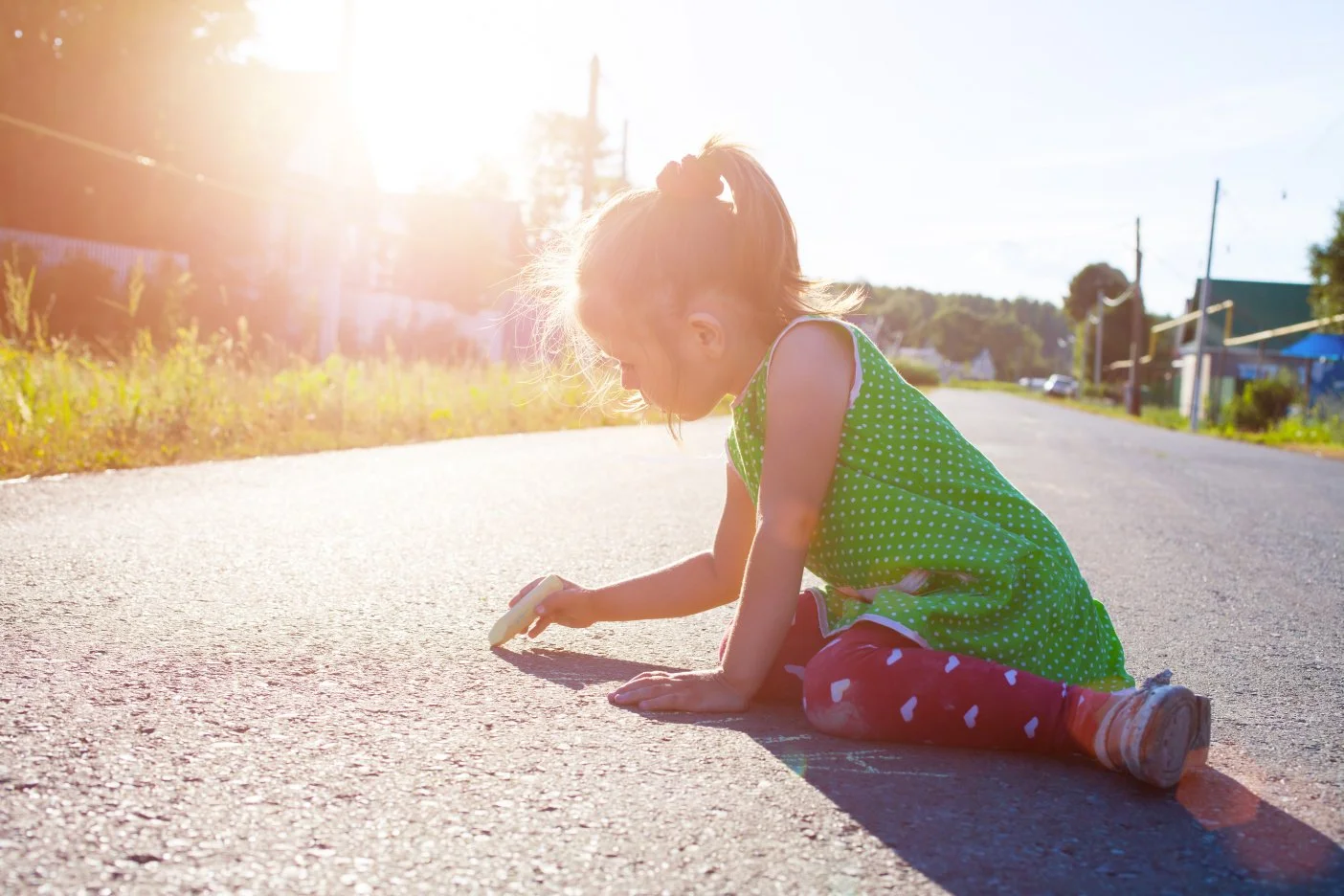
Form drawing is a deep ocean that one could spend an entire lifetime learning to navigate. Don’t let this stop you from jumping in. Buy a book, look up #formdrawing on social media and reach out to people whose ideas are of interest to you, but most importantly pick up a pencil, chalk, stick or block crayon, suspend your judgment, and encourage your child to do the same.
This radical act of trust in the power of art to teach and transform is the lynch pin of Waldorf Education.
Try a Free Form Drawing lesson!

About the Author
Cristina Havel lives in Southern California where she and her husband have worked together for nearly 2 decades. They homeschool their son using the Waldorf pedagogy as a guide and believe in the transformative powers of art and nature.
Related content:




What are Pedagogical Stories?
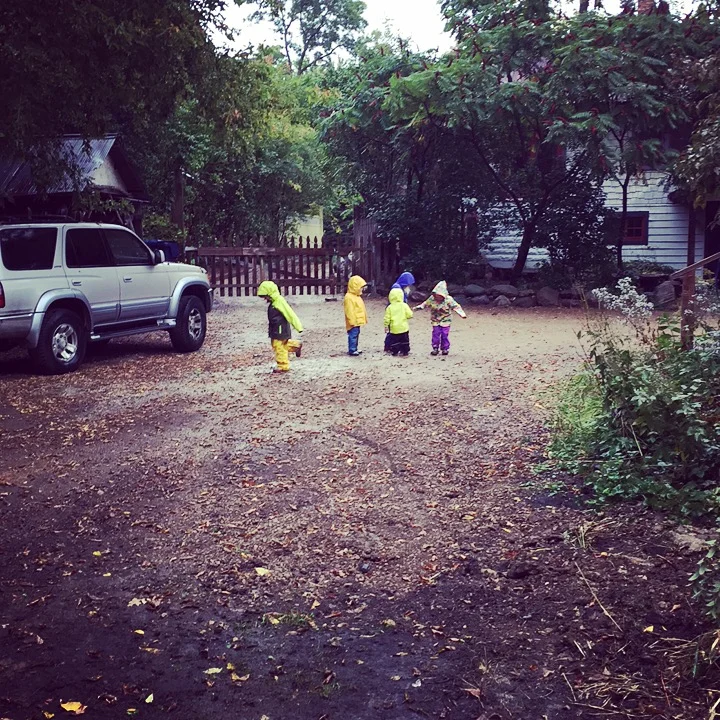
For millennia, cultures around the world have used stories to teach and to heal.
Jesus’ parables are an example that many people know. Others may be more familiar with Jataka tales, stories of the Buddha’s incarnations. Still others have learned from the stories of Anansi, of Coyote, of Nanabouzhoo.
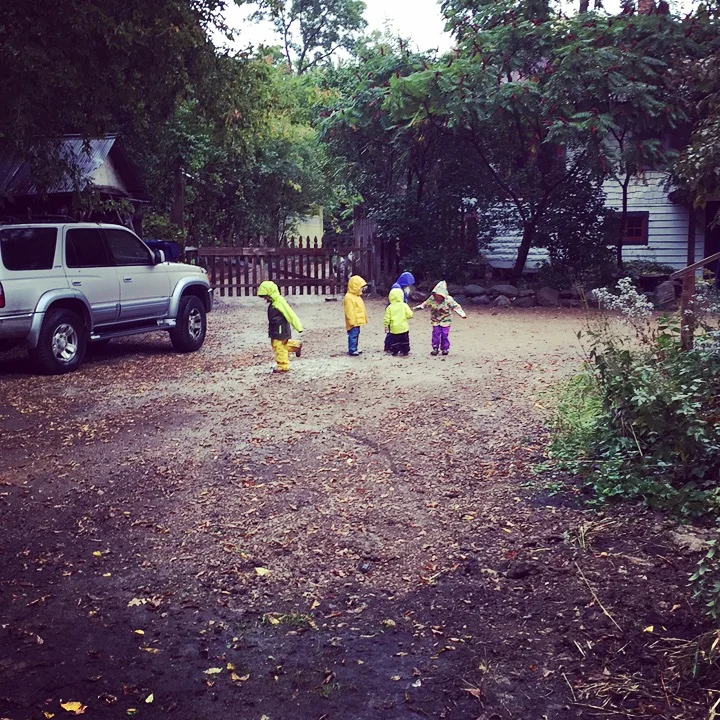
Pedagogical stories are wonderful to bring to the young child.
Why have our elders and teachers chosen stories as the best way to teach and to illustrate so many lessons that cannot be taught solely through direct experience? Why not just say, “Treat the poor kindly,” or, “Don’t trust someone unless you see what they value?” or, “Honor those who came before you?” Those are important things to say, but they aren’t enough. They aren’t enough, because we are storytelling creatures, and we construct meaning through images, experience, and emotional connection.
Waldorf teachers will talk about “pedagogical stories” as if that is a term in common use.
What the heck is a pedagogical story? It sounds either weird and esoteric, like you need years of schooling to understand it, or else like something horribly distasteful, like castor oil or whatever food you were told as a child was good for you, that tasted like feet.
Prefer to listen to an audio recording of this post? You can do that right here:
It’s neither. A pedagogical story is a story that leads. Pedagogy means “leading a child” or “teaching,” so these are stories we share with children in order to teach something specific.
That teaching can be something like, “people don’t like it when you hit them,” or “don’t leave your shoes in the middle of the floor for me to trip over,” or it can be a support for times of struggle or change.
The questions I hear most frequently about pedagogical stories are, “How is a story going to help?” and, “How on earth can I come up with a story about THIS?”
My quick answers are as follows:
• A story is going to help in a number of ways. First, when you take the time to tell a story, to tell it out loud, without a book, without a script, you are giving a gift of time. This in and of itself is healing. It says to the person or people hearing the story, I am with you, here, now.
• A story is going to help YOU, the adult, because it will allow you the space to step back and see the situation from another perspective. When I told my class stories about my (imaginary) friend Janet and her class at Whispering Winds Waldorf in Walla Walla, Washington (also imaginary), and all the problems they were having, it gave me the chance to find humor and
lightheartedness in the challenges my students were facing and creating.
• Another way a story helps, is by giving the listener the freedom to take in the message of the
story as deeply as they are ready. That might not be very deeply at all, and that has to be okay.
It might also reach them on a profound level whose effects will not be fully appreciable until
adulthood. And, of course, it can be both of these at once.

What could pedagogical stories do for your growing child?
How do you come up with a story?
There are so many, many answers to this question. One easy way, is to go and get Susan Perrow’s wonderful book, Healing Stories for Challenging Behavior (Hawthorne Press, 2008). Susan’s work with parents, teachers, and counselors in South Africa, Kenya, New Zealand, Australia, and other countries has fed into this jewel of a book, which gives many, many story examples as well as instructions and inspirations for creating and telling stories.
As an introduction and overview, this is necessarily brief and cursory. There is so much more to be said.
In my next article, I’ll talk specifically about how we can use our own lives as a source
for stories, and how reconnecting with family stories can yield a wealth of material for guiding
and teaching the children in our lives.
~Sara
Related content:




About the Author
Sara Renee Logan has been telling stories to anyone who would listen since she was seven. Many years as a Waldorf teacher allowed her to tell stories about everything from Baba Yaga's hut on chicken legs, to the water cycle, to the life of Joan of Arc. She continues to share her love of storytelling and stories with audiences of all ages, specializing in bringing the wild beauty of folktales to young and old.
Sara has a home on the web at sarareneelogan.com where she shares stories of her life, tips, and ideas for parents and other storytellers. Sara offers coaching services and the Story/Reading process of story-based biography exploration that guides seekers to look deeply into their own life stories through the lens of traditional tales. Sara shares her life with her partner, Melanie, their son, and an unreasonable family of pets.
Find Sara on Instagram @seven_ravens_sara
In Praise of Balance: A Healthy Festival Life
As a Waldorf-inspired homeschooler, you have no doubt noticed that a healthy festival life is one of the anchors around which Waldorf Education is organized.
These rituals and festivals have traditionally contributed to the stability of communities of the past, and now brick-and-mortar schools of current time. They create an opportunity to relate to the seasons, and to each other.
What then, does this mean for those of us who have chosen to leave a local Waldorf school, or, to never attend one at all? What meaning do these festivals, or feast days as they are traditionally called, have when they are practiced in much smaller group settings without institutional support, or even at home within individual families?
It becomes easy to slip into thinking that our home-grown festivals and celebrations need to resemble what's happening at Waldorf schools - and if they don't, that we are not doing it correctly - that our children will be missing out on something vital. Spend any time at all on social media and this feeling increases exponentially.
How could the pursuit of balance change your home festival life?
(Initials in parenthesis indicate which author is speaking.)
(RB) For several years in a row I was a single parent. I single-mama'd my way through all the holidays and festivals - most years missing several altogether, especially the first week or two of Advent. Generally by the time I realized it was underway (usually because I saw someone else's beautiful post on social media) I considered it a major victory if I could slide across the evergreen bough finish line with a lit candle in hand, muttering "...the fourth light of advent, is the light of.....".
I started out those years feeling as though I was giving my children a somewhat "less than" festival experience. Thankfully (and a bit painfully) it was also during this time I was reminded that "comparison is the thief of joy". I began to recognize that all the striving to provide my children with an experience as good as their school experience was ultimately only making me feel like I was failing. Clearly it wasn't serving me or them. Eventually I realized there was far more value in doing a few festivals really well each year (i.e., deeply imbued with spirit) rather than trying to cram them ALL in in a somewhat half-assed fashion. Forced march to the May Faire anyone? What feeling exactly am I trying to achieve here?
As homeschoolers we have infinitely more freedom to dance to our own drumbeat.*
This applies no less to our family's festival life than it does to choosing the curriculum we're going to use! When considering the festivals coming up in any given season, we encourage you to start by identifying the overall feeling you'd like to imbue in your children/family with any given season. Then, work backwards from there and....
Ask yourself:
+ which of the festival options for this season will help us achieve that feeling?
+ do we need to do all of them? (seriously. do you?)
+ is there one that resonates the most with our family's values?
+ how can I keep this simple?
+ what ONE or TWO activities might we do?
Remember, even in Waldorf Schools there is great variation in terms of participation in festivals.
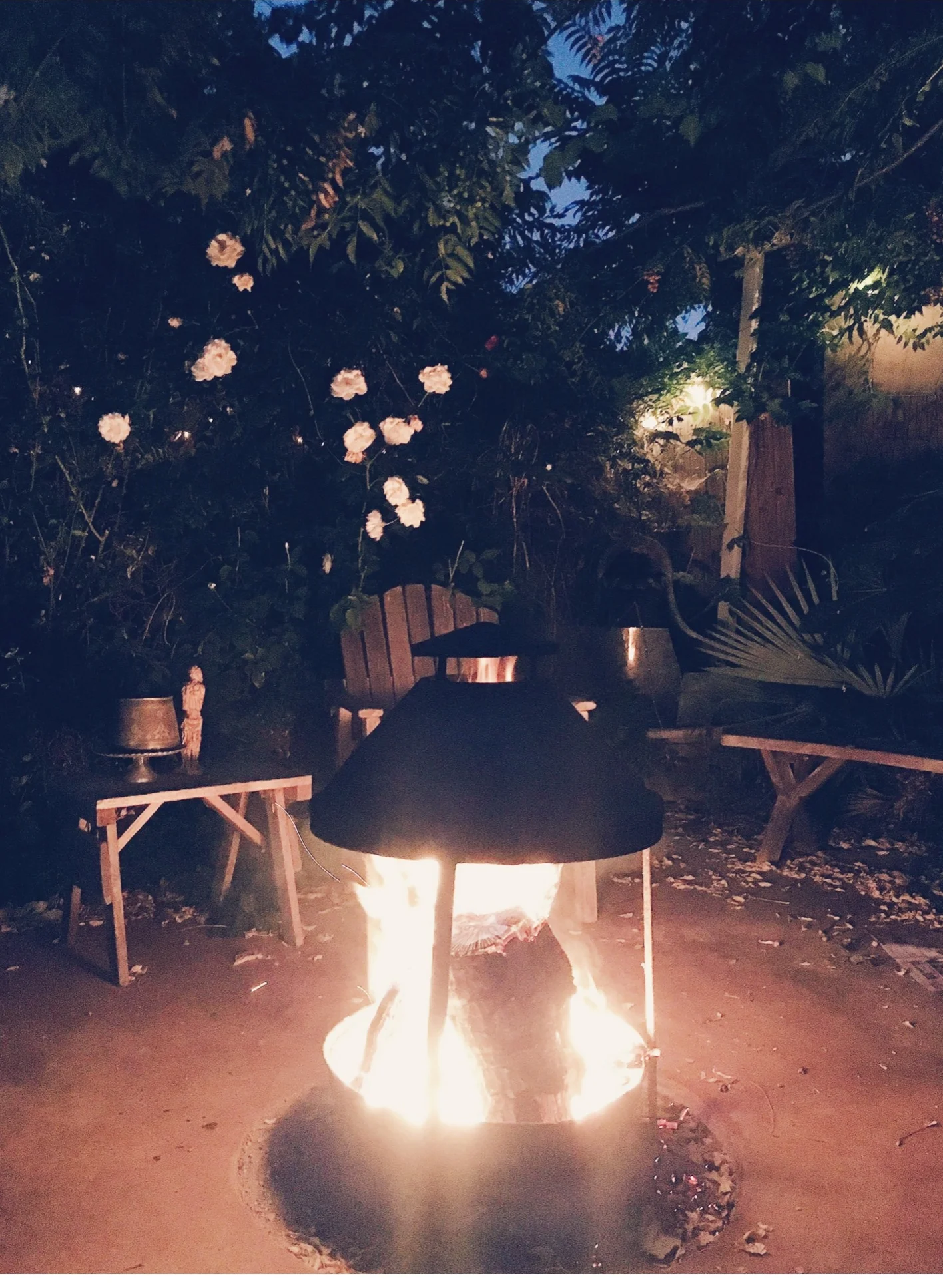
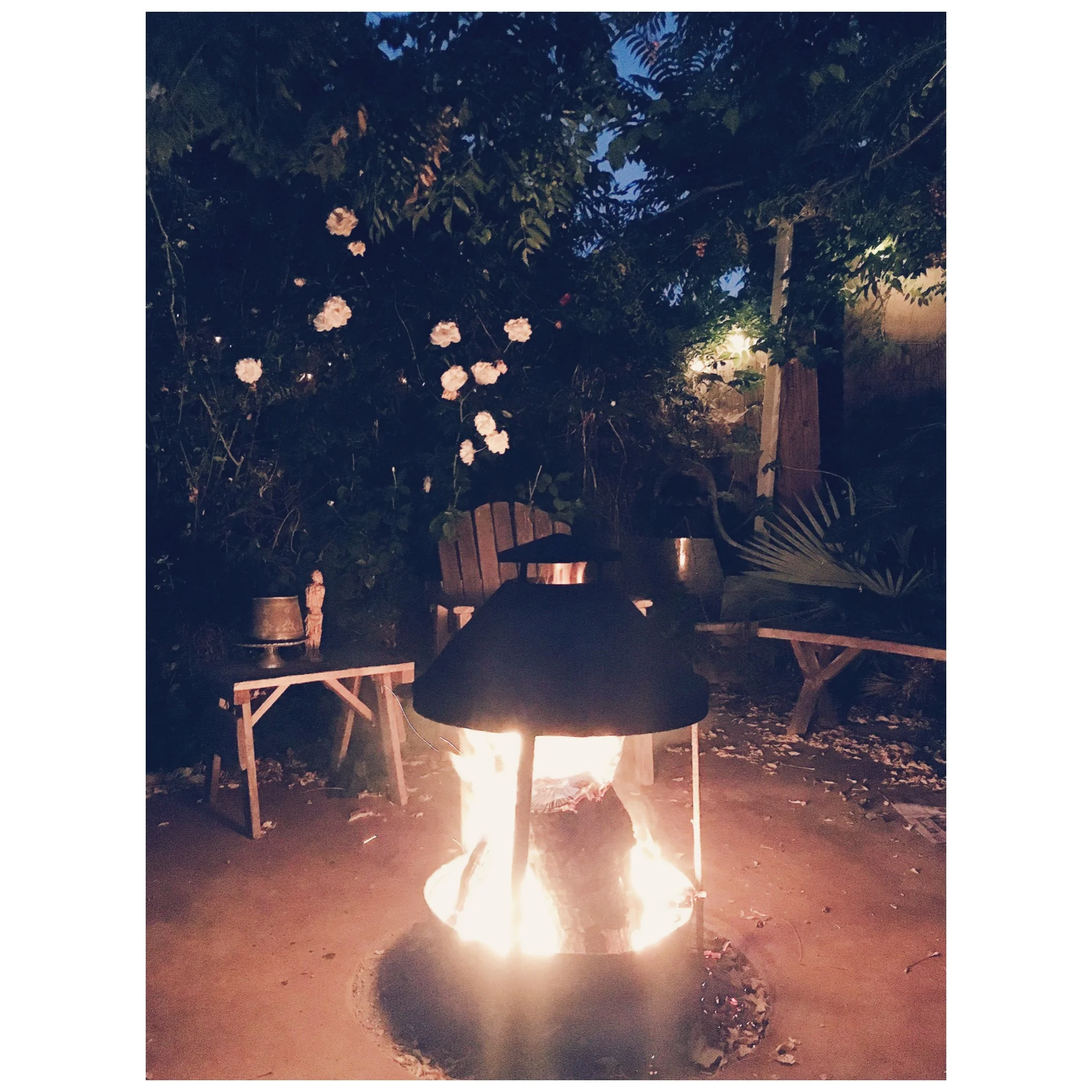
(CH) Most importantly, don't be afraid to improvise. The first Michaelmas after we started homeschooling, my husband and I were working away from home and 20 minutes from the ocean. It was exciting to have the freedom to take school on the road, but we were feeling the separation from the Waldorf school we had celebrated festivals with over the previous five years. After reading Michaelmas verses together at home we drove to the beach and made a big dragon in the sand. That night we lit a fire and wrote our personal "dragons" down on paper, then threw them into the flames to be slain.

A message from a Michaelmas celebration.
Our son, who was 8 at the time, took it all very much to heart. As we wrote our wishes on paper by the fire, we glanced over to find that on one piece he had written: "For those who don't have anyone to help them slay their dragons." He clearly understood that the act of transforming paper into ash was a form of prayer/intention.
Keep it simple, believe in the ritual yourself, and the messages will not only reach your children, they will be mirrored back to you in beautiful and unexpected ways.
Last year we missed Martinmas (a personal favorite of mine) but this year we made lanterns in stages the week before the Feast of St. Martin. On the night of November 11th we made and ate soup together, read Martinmas verses, and walked the dark streets of our neighborhood together by lantern light -- just as children on the streets of many European countries do (lanterns being a sophisticated extension, some believe, of the bonfires that preceded them).
My husband's uncle is a priest with a deep knowledge of the saints, and I sent him a picture of our son walking with his lantern. His response: "Great experience. He is blessed to learn these traditions first-hand." There was no question about how many others were celebrating with him. Clergymen-and-women understand better than anyone what these fall and winter rituals mean. They are taken in community (and what is a more primal form of community than family?) but ultimately, they are solitary expeditions into our most hidden aspects of self.
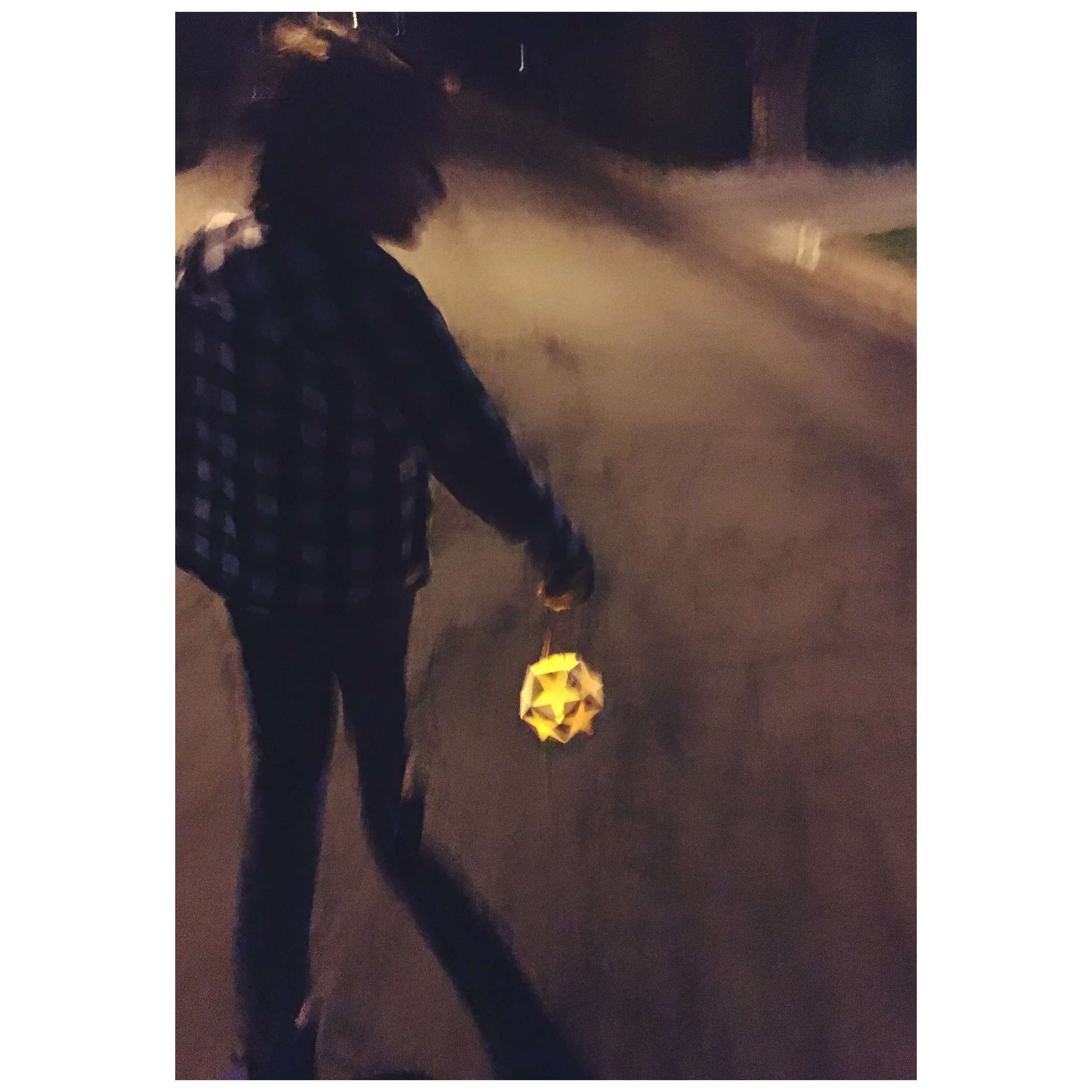
Simplicity brings joy, light and connection to festival life!
There is clearly no substitute for the excitement and energy of large gatherings. In their healthiest forms we mirror one another, and we grow. However in some very important ways, the smaller-scale the ritual (and sometimes, the fewer the rituals we engage in) the more direct the experience can be and the more deeply the meaning can resonate.
Sending love to you all this season,
Cristina & Robyn
Related content:




Cristina Havel lives in Southern California where she and her husband have worked together for nearly 2 decades. They homeschool their son using the Waldorf pedagogy as a guide and believe in the transformative powers of art and nature.

An early career as a park ranger led Waldorfish co-founder, Robyn Beaufoy, to her love of illustrating and education. Trained initially as both a public school and Waldorf teacher, she has been involved in art + education for over 20 years, including homeschooling her two children. Robyn is currently working as the manifestor of the creative vision held by the Waldorfish team. Working out of the premise that life is short (but sweet!), she empowers soul-filled teachers & families to (re)find their JOY in teaching and making art.
All photos: Cristina Havel
(*We believe Waldorf homeschooling families are uniquely positioned to carry forward a faithful interpretation of Rudolf Steiner's vision for education. Here's an additional post focused on this idea.)
Looking for something?

Welcome to Waldorfish! We started this adventure in 2012 out of a desire to make Waldorf training more accessible to class teachers in remote locations and to homeschooling families everywhere! Read more, click here.


WE WON! Our Weekly Art courses were voted “best interactive art program.” Learn more about the award, here.


Click here for a full list of schools we work with.
A few of our most popular blog posts:

Who are our courses for?

Starting Waldorf First Grade

4 Things to Know Before Planning Your Homeschool Year

In Praise of Balance: A Healthy Festival Life
Science in Waldorf Middle School: Starting Something New!