
Waldorfish Blog
music is magic. why & how to make it so.
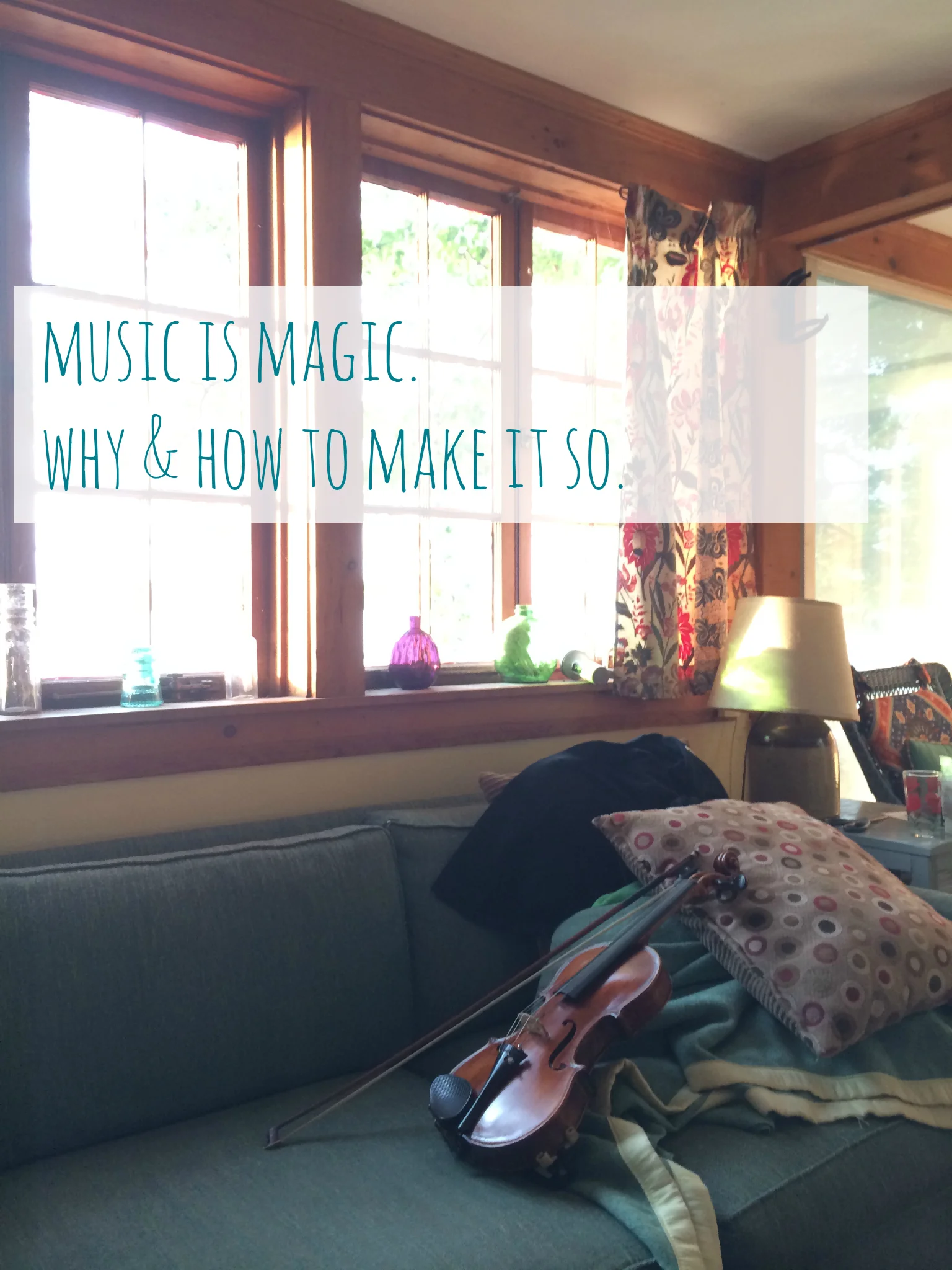
The Ever-Musical Wanzer Cabin. Tour Coming Soon.
The Reasons haven't changed, and we all know these things at the heart level. And still. Somehow it stopped being obvious…
That song enchants children, stops them in their tracks, and makes them smile. And that is worth absolutely everything.
That belting out a song makes us feel alive. And when we do that with family and friends, life becomes sublime, for just a little bit.
That percussion and cadence create an intuitive understanding of math and an appreciation for pace. Which translates as rhythm <~ which reads as presence and charisma, regardless of one's quirks and personality. And let's face it. We all want to make our children's ride a little smoother.
That music builds language and develops speech by engaging both hemispheres and the frontal lobes of the brain (Brewer & Campbell, 1991). It's speech therapy and capacity expanding for all of us.
Music builds literacy skills thru rhyme, syllable recognition, phoneme substitution, word recognition, listening, fluency, & intonation. {As a speaker, I'm going to assert that we all can benefit from a little more help in articulation. We're all beginners. It only helps! And more than that. Music really makes us better. More connected and able to say what we mean in a way that honors those before us.}
It's just magic. I want for our own children a lifetime of music-making. I want them to learn that:
*everything takes a learning curve. And so nearly anything is possible.
*commitment creates that which we imagine.
*silence is delicious. Spirit shows up here.
*you are collaborative. And included. you are piece and part of something larger, and it's okay + worth it to play a small part.
*you are a leader & soloist.
*you are skilled & confident.
*you need very little to entertain yourself.
*you can conquer your own fears.
*you are responsible for yourself & self-disciplined.
*there's always room for improvement
*You have a personal best, & it makes a difference for others.
*practice does not make perfect, practice makes permanent.
*hard work pays off.
*mistakes happen, and you keep moving, even if you're feeling…well, moved.
*you can always feel "the edge," and push past it.
*You can challenge yourself and experience personal accomplishment without outside recognition. From mom, teachers, friends or anyone.
*you can create your own traditions + joy {there is no good time like company with live music}
And the truth is…
I knew nothing about music. I did get an A+ in Music Appreciation once in junior college. But that was about it. D did his graduate work in Music Industry at USC. But that didn't teach him how to make music with the kids, in a way that fed them or kept their interest.
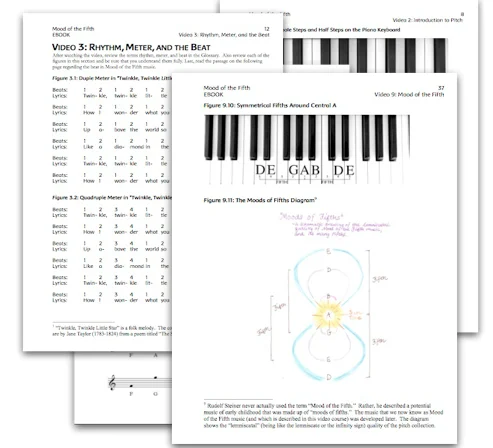
Then Robyn got an email from Dan and Michelle Prindle. And in two hours I went from nothing to reading music. To understanding global scales. And to making the kind of music that enchants my children, stops them in their tracks, and makes them smile. And that is worth absolutely everything.
We begged them to offer their work at a discount to all of you. And they are pretty rad. So...
Here you go. Love!!!
Maya, (David, Robyn, Brian & the Waldorfish Crew)


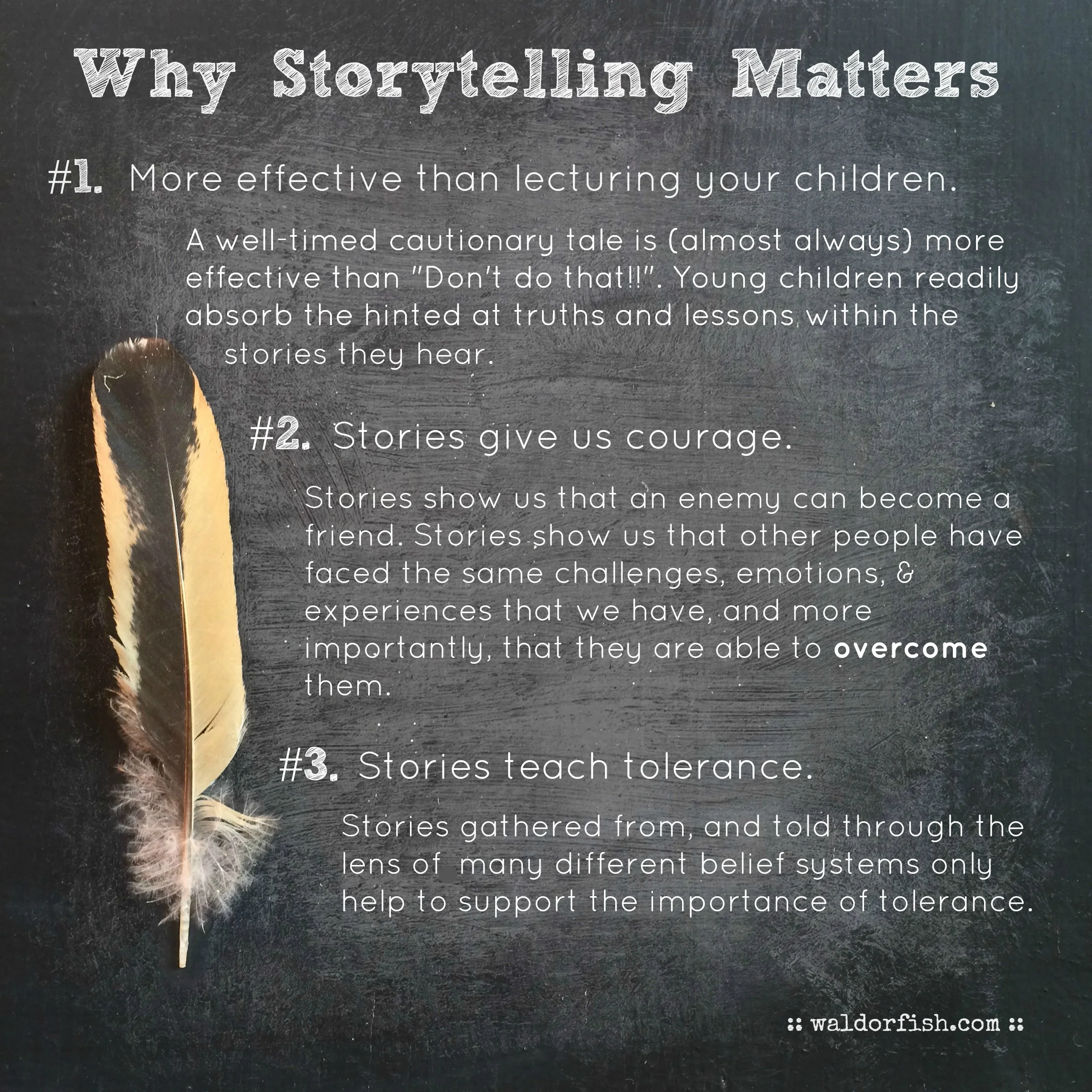
Why Storytelling Matters...
Three tips for beginning your storytelling journey!
More on Storytelling:
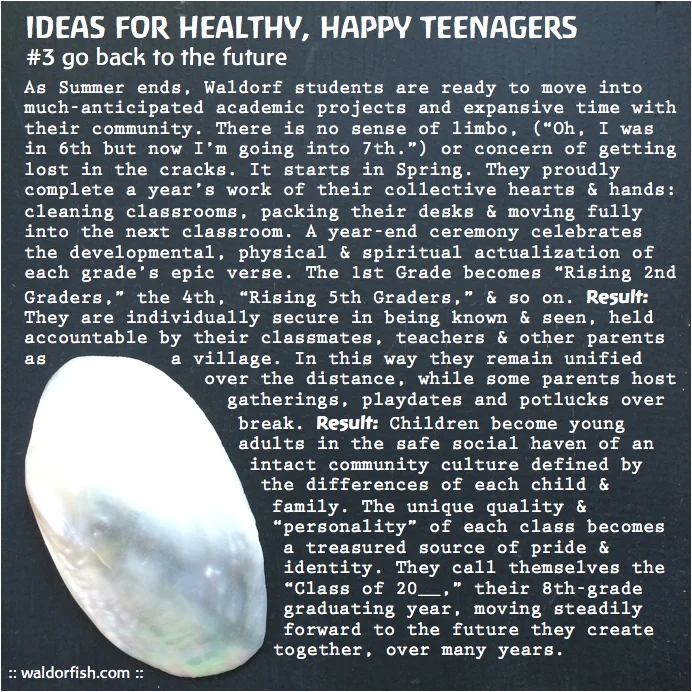
Go Back to the Future {Ideas for Healthy Happy Teens #3}

The Wolfe, Hackett & Cohen families jamming in the Spring. All three families are "guerrilla schoolers:" sometimes our kids are homeschooling, unschooling, in public school, and sometimes in Waldorf or other private schools. It's all about what works for each child in each family, any given year. What's consistent is engaged, loving community and the excitement for what is, what's been done, and what's next.
As a grownup unschooler, I hold the teenager years as an epic era for inhaling life. It's a jaded time, as we've developed a distinguishing palate for what we eat with our eyes, our ears and our hearts. Our soul topography is making itself known, and yet, we become monumentally social, and impressionable. Our gesture reflects this dance between what is ours and what it not. Our clothes are astral! We are just. So. Ready.
For all of it.
So I melt when kids, just as likely to conceal, as much as to reveal, share their interests. And I'm crazily grateful to those who make spaces for teens to engage. Between 12-and-18, they have "things" they are filing away, for a time when they have more resources of their own. Concepts, idols, and curiosities they love in small ways, that can become lifelong passions. Interests that keep them up at night, filling their chests and lengthening their spines. And, I remember what it was like to start unschooling, to want to try everything, and needing a little bit of structure to help me along. While some needs went unmet, I was given a privileged share of conscious, creative, communal support. This little series is about that.
I'm coming at it from a funny angle: I'm noticing healthy, happy, modern teenagers. And asking:
What's behind it? What kind of structures, practices, questions, attitudes, rhythms, and tangible love helped them along? How did life come knocking, and what created resilience, tenacity, perseverance, and work ethic? Where did they get the will to be so extraordinary? Where is all this gentle, unformed confidence coming from, and how is it that they are each, still, gorgeously themselves? What mantle of protection was provided to keep their innate qualities intact?
The answers are hard to pinpoint, they're complex, they are specific to each family. It's an ongoing inquiry that I am selfishly using to support my own journey as a parent. I'm hoping you will engage in this inquiry with us, sharing examples of teens, practices, concerns, struggles, discoveries and inquiries that you're living with. What do you attribute to what? We'll riff on them, and send them back out.
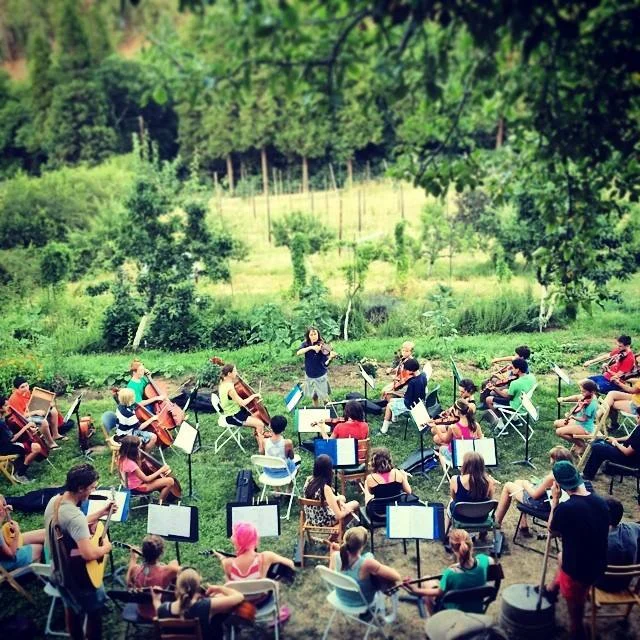
photo by Yale Creek Crew. "One of the many things we do here at Yale Creek Brewfarm is host a #farm camp. Many of our campers are talented #musicians and every night put on a mini#symphony performance in the yard."
Here's an inspired example, at Yale Creek Brewery. This photo brought David and I to tears, seeing not only our son, but all of these young people that we know and love, doing their thing, away from us, and still very much experiencing a sense of home. Every single one asked to attend. Two of the staff are voluntarily playing their own instruments. That "bass drum?" I watched a 6th-grader invent it a few years ago. This is truly an intergenerational, community experience. The farm is owned by teacher Cindy Toy and her family, run by her teen and adult children (who have also danced with public, home + Waldorf schooling), and their friends. So our tweens and teens have a continuum of "family" thru the break, complete with farm chores {processing chickens, even!} and beautiful meals. The intergenerational vibe creates true roots, a village of wisdom and experience that spans different ages, skill sets and temperaments. The camp was made financially accessible, and the students are from diverse socio-economic backgrounds. Off the top of my head, there were participants of Japanese, French, Filipino, East Indian, Norwegian, British, Mexican, Irish, Native, African, German, Haitian, Spanish, and Croatian descent. They co-hosted two farm camps this summer, "Strings" with Davis Waldorf School's 20-year+ instructor, Angela Kost, & "Basketball" with our own Waldorfish Brian Wolfe.
Now, that's a dream example, very literally, because the creating of that camp was their family dream. It's a beautiful example of what comes from co-creative collaboration.
I grew up with this same sense of expansive possibility from the Asian-American artists & activists in San Francisco. So what is your dream for the young adults in your life? What small actions can you take toward that dream? Everyone else will hold their dream, and do their part. And the teenagers, of course, will do their thing. We can count on that.
{in celebration of all that you already do}
Maya
p.s. ~ Again, I'm hoping you will engage in this inquiry with us, sharing examples of teens, practices, concerns, struggles, discoveries and inquiries that you're living with. What do you attribute to what? Answer in the comments below, or send us a note if there's a teen, parent, or teacher you'd like us to interview. xx
String Stories
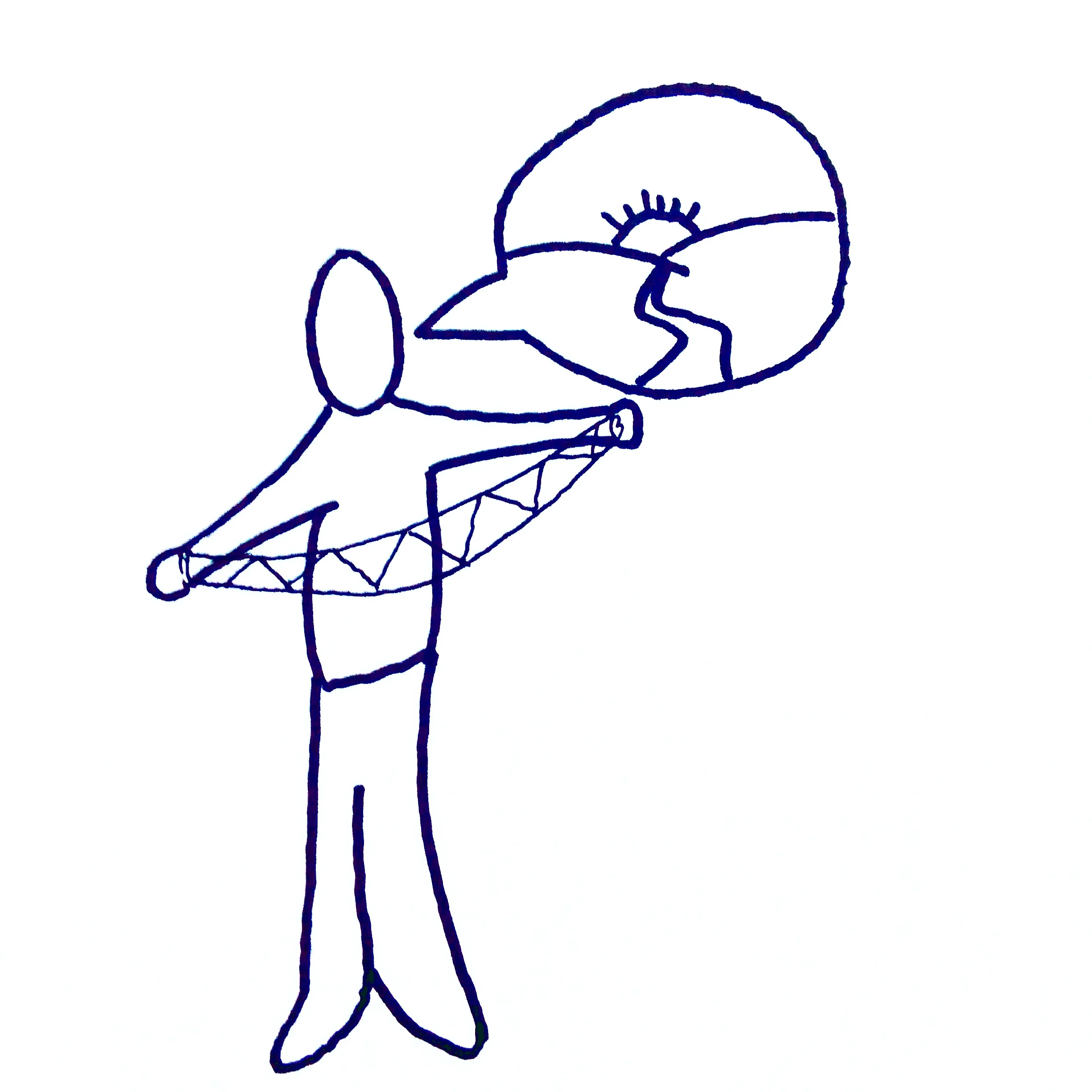
“A story is like a line, a wire between the teller and the listener. Both people hold each end of it, and the story walks on that wire between them.”
-Donald Davis, Author/Storyteller
Like many of you, I played string games games when I was a child. I have memories of sitting on our back porch steps, attempting to master cat's cradle, jacob's ladder and many others - all with varying degrees of success. A few years ago I was delighted to find a string game "kit" of sorts, for sale locally. I purchased it for my children, and then set them free with the book of illustrated instructions and some nylon chord. It held their interest for a little while, but then the string ended up lost, or under the couch.
During my excavations into storytelling this summer, I discovered something about those string games of my childhood. Unbeknownst to me, this pastime is part of a tradition much deeper and more rich than simply being amusing games. String games have ancient origins ...
"String figures and string stories have been around for almost as long as people have been on earth. It is impossible to name a continent which does not have its own set of figures representing the people, objects and animals found there. The Navajo used string figures as a way to encourage the memorization needed for the complicated patterns involved in weaving and sand painting. Some cultures used figures as astronomical devices. Other cultures used them in religious ceremonies."
-Sally Crandall, Telling Stories with String
This discovery led me down a deep rabbit hole on YouTube, as I looked for examples.
Here, Sally Crandall uses string to tell an Inuit story, Totanguak. In it, one of the characters uses ancient string figures to try and collect the soul of a young boy.
In another example, storyteller Anne Glover works with a group of teachers who are learning to tell stories with string.
I was also completely enchanted by my discovery of Rodrigo Libanio Christo, a masterful Brazilian singing storyteller!
It was hard for me not to be inspired (and honestly, to feel a tad inadequate) after watching these masters at work. More than anything, however, I became even more dedicated to honing my own storytelling skills. My hope is that it has the same effect on you.
-Robyn
PS. Jospeh D'Antoni has a series of great videos in which he gives instructions for making many string figures to use in stories. (including a string figure SNEEZE, which I may or may not have watched several times simply because it made me laugh).
More of our storytelling resources:
• Getting Started With Storytelling
• What Are Pedagogical Stories?
• Why Storytelling?
Looking for something?
Welcome to Waldorfish! We started this adventure in 2012 out of a desire to make Waldorf training more accessible to class teachers in remote locations and to homeschooling families everywhere! Read more, click here.


WE WON! Our Weekly Art courses were voted “best interactive art program.” Learn more about the award, here.

Click here for a full list of schools we work with.
A few of our most popular blog posts:

Who are our courses for?

Starting Waldorf First Grade
4 Things to Know Before Planning Your Homeschool Year

In Praise of Balance: A Healthy Festival Life
Science in Waldorf Middle School: Starting Something New!