
Waldorfish Blog
In Praise of Balance: A Healthy Festival Life
As a Waldorf-inspired homeschooler, you have no doubt noticed that a healthy festival life is one of the anchors around which Waldorf Education is organized.
These rituals and festivals have traditionally contributed to the stability of communities of the past, and now brick-and-mortar schools of current time. They create an opportunity to relate to the seasons, and to each other.
What then, does this mean for those of us who have chosen to leave a local Waldorf school, or, to never attend one at all? What meaning do these festivals, or feast days as they are traditionally called, have when they are practiced in much smaller group settings without institutional support, or even at home within individual families?
It becomes easy to slip into thinking that our home-grown festivals and celebrations need to resemble what's happening at Waldorf schools - and if they don't, that we are not doing it correctly - that our children will be missing out on something vital. Spend any time at all on social media and this feeling increases exponentially.
How could the pursuit of balance change your home festival life?
(Initials in parenthesis indicate which author is speaking.)
(RB) For several years in a row I was a single parent. I single-mama'd my way through all the holidays and festivals - most years missing several altogether, especially the first week or two of Advent. Generally by the time I realized it was underway (usually because I saw someone else's beautiful post on social media) I considered it a major victory if I could slide across the evergreen bough finish line with a lit candle in hand, muttering "...the fourth light of advent, is the light of.....".
I started out those years feeling as though I was giving my children a somewhat "less than" festival experience. Thankfully (and a bit painfully) it was also during this time I was reminded that "comparison is the thief of joy". I began to recognize that all the striving to provide my children with an experience as good as their school experience was ultimately only making me feel like I was failing. Clearly it wasn't serving me or them. Eventually I realized there was far more value in doing a few festivals really well each year (i.e., deeply imbued with spirit) rather than trying to cram them ALL in in a somewhat half-assed fashion. Forced march to the May Faire anyone? What feeling exactly am I trying to achieve here?
As homeschoolers we have infinitely more freedom to dance to our own drumbeat.*
This applies no less to our family's festival life than it does to choosing the curriculum we're going to use! When considering the festivals coming up in any given season, we encourage you to start by identifying the overall feeling you'd like to imbue in your children/family with any given season. Then, work backwards from there and....
Ask yourself:
+ which of the festival options for this season will help us achieve that feeling?
+ do we need to do all of them? (seriously. do you?)
+ is there one that resonates the most with our family's values?
+ how can I keep this simple?
+ what ONE or TWO activities might we do?
Remember, even in Waldorf Schools there is great variation in terms of participation in festivals.
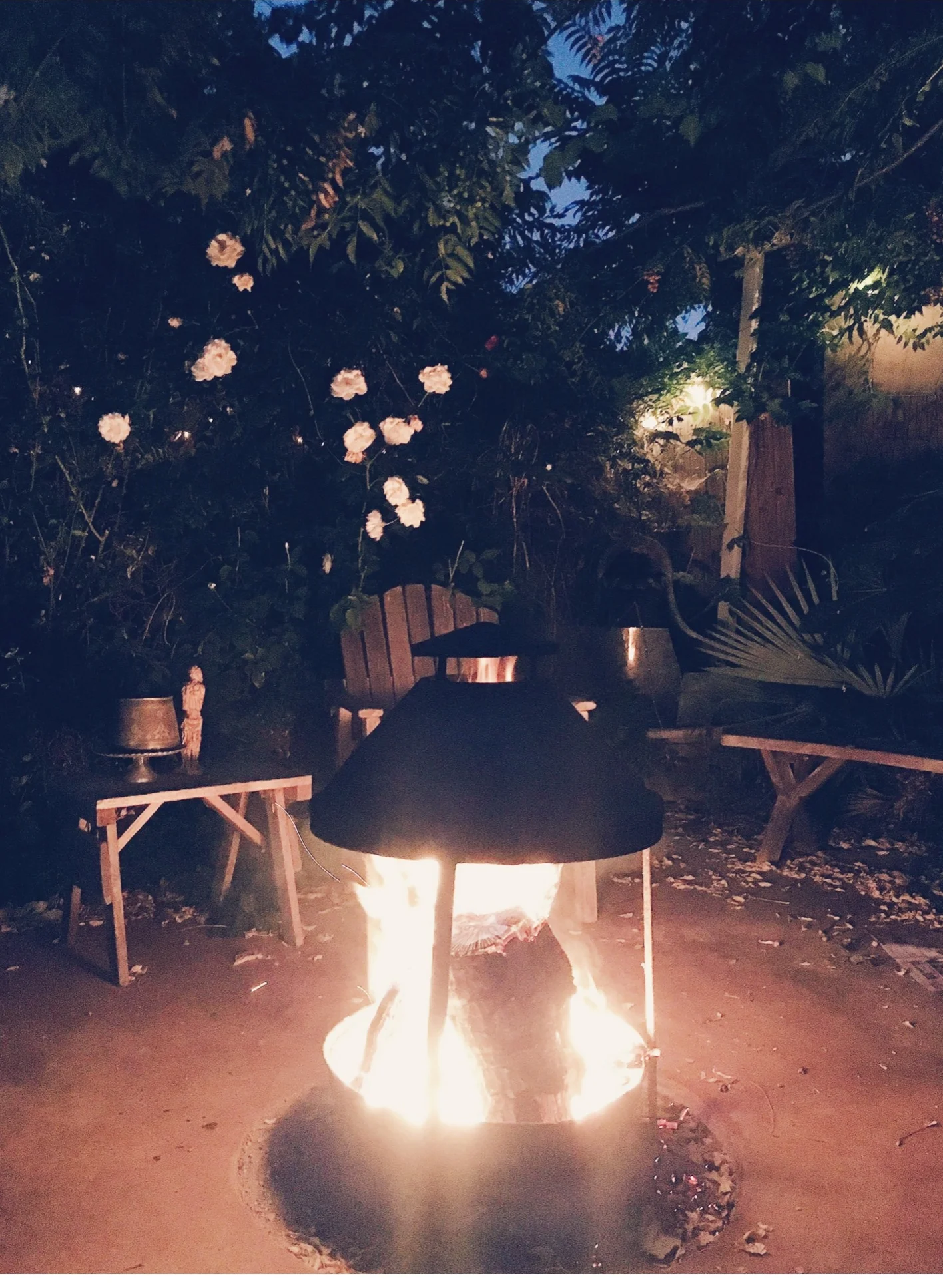
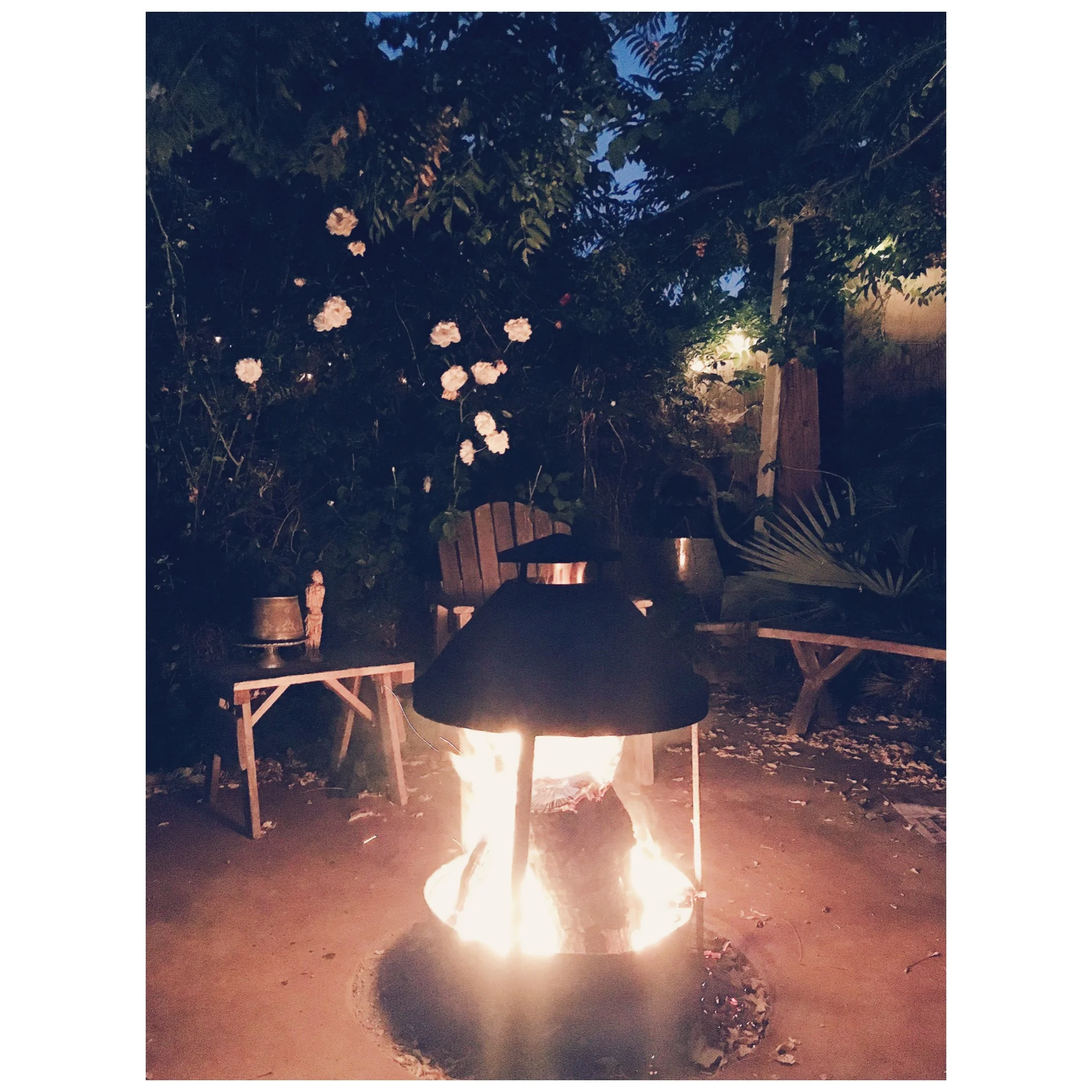
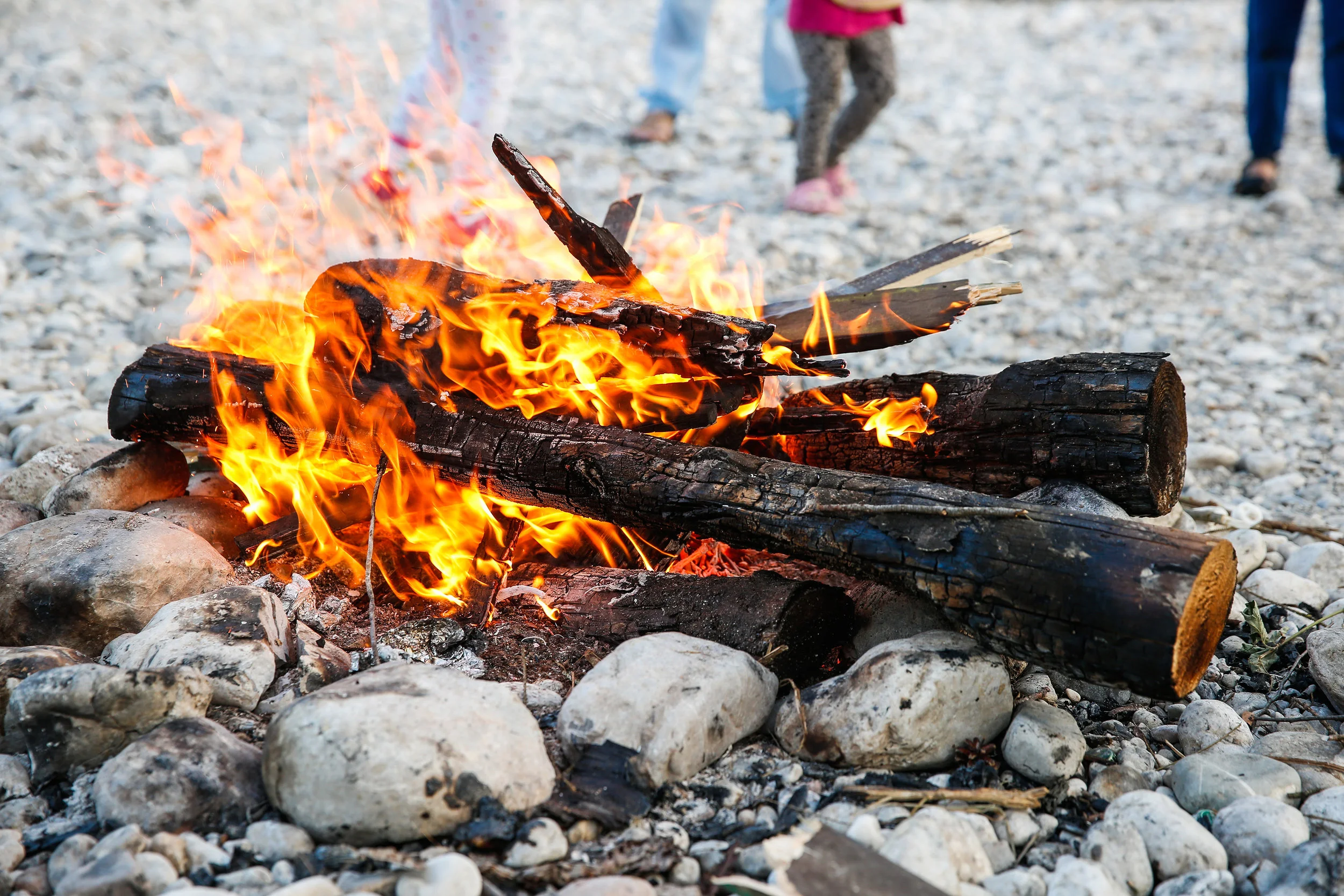
(CH) Most importantly, don't be afraid to improvise. The first Michaelmas after we started homeschooling, my husband and I were working away from home and 20 minutes from the ocean. It was exciting to have the freedom to take school on the road, but we were feeling the separation from the Waldorf school we had celebrated festivals with over the previous five years. After reading Michaelmas verses together at home we drove to the beach and made a big dragon in the sand. That night we lit a fire and wrote our personal "dragons" down on paper, then threw them into the flames to be slain.

A message from a Michaelmas celebration.
Our son, who was 8 at the time, took it all very much to heart. As we wrote our wishes on paper by the fire, we glanced over to find that on one piece he had written: "For those who don't have anyone to help them slay their dragons." He clearly understood that the act of transforming paper into ash was a form of prayer/intention.
Keep it simple, believe in the ritual yourself, and the messages will not only reach your children, they will be mirrored back to you in beautiful and unexpected ways.
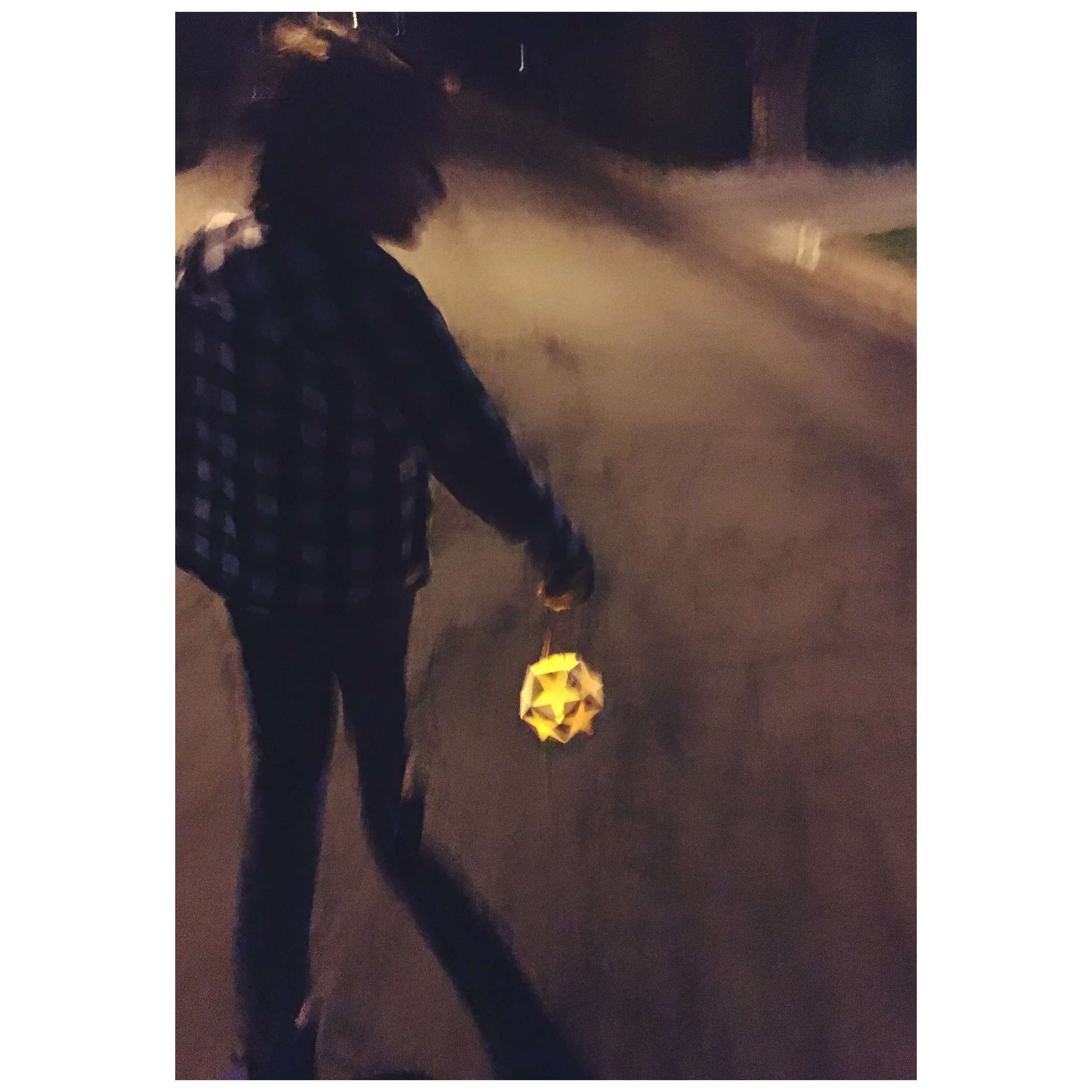
Last year we missed Martinmas (a personal favorite of mine) but this year we made lanterns in stages the week before the Feast of St. Martin. On the night of November 11th we made and ate soup together, read Martinmas verses, and walked the dark streets of our neighborhood together by lantern light -- just as children on the streets of many European countries do (lanterns being a sophisticated extension, some believe, of the bonfires that preceded them).
My husband's uncle is a priest with a deep knowledge of the saints, and I sent him a picture of our son walking with his lantern. His response: "Great experience. He is blessed to learn these traditions first-hand." There was no question about how many others were celebrating with him. Clergymen-and-women understand better than anyone what these fall and winter rituals mean. They are taken in community (and what is a more primal form of community than family?) but ultimately, they are solitary expeditions into our most hidden aspects of self.
Simplicity brings joy, light and connection to festival life!
There is clearly no substitute for the excitement and energy of large gatherings. In their healthiest forms we mirror one another, and we grow. However in some very important ways, the smaller-scale the ritual (and sometimes, the fewer the rituals we engage in) the more direct the experience can be and the more deeply the meaning can resonate.
Sending love to you all this season,
Cristina & Robyn
Related content:
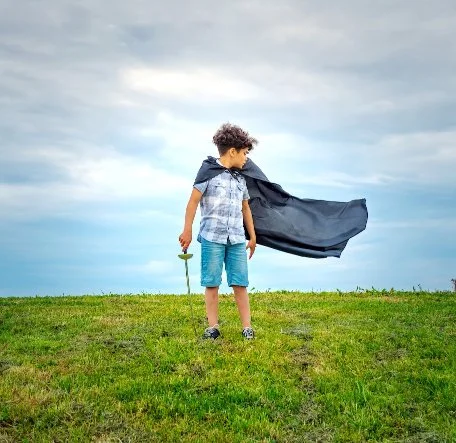




Cristina Havel lives in Southern California where she and her husband have worked together for nearly 2 decades. They homeschool their son using the Waldorf pedagogy as a guide and believe in the transformative powers of art and nature.

An early career as a park ranger led Waldorfish co-founder, Robyn Beaufoy, to her love of illustrating and education. Trained initially as both a public school and Waldorf teacher, she has been involved in art + education for over 20 years, including homeschooling her two children. Robyn is currently working as the manifestor of the creative vision held by the Waldorfish team. Working out of the premise that life is short (but sweet!), she empowers soul-filled teachers & families to (re)find their JOY in teaching and making art.
All photos: Cristina Havel
(*We believe Waldorf homeschooling families are uniquely positioned to carry forward a faithful interpretation of Rudolf Steiner's vision for education. Here's an additional post focused on this idea.)
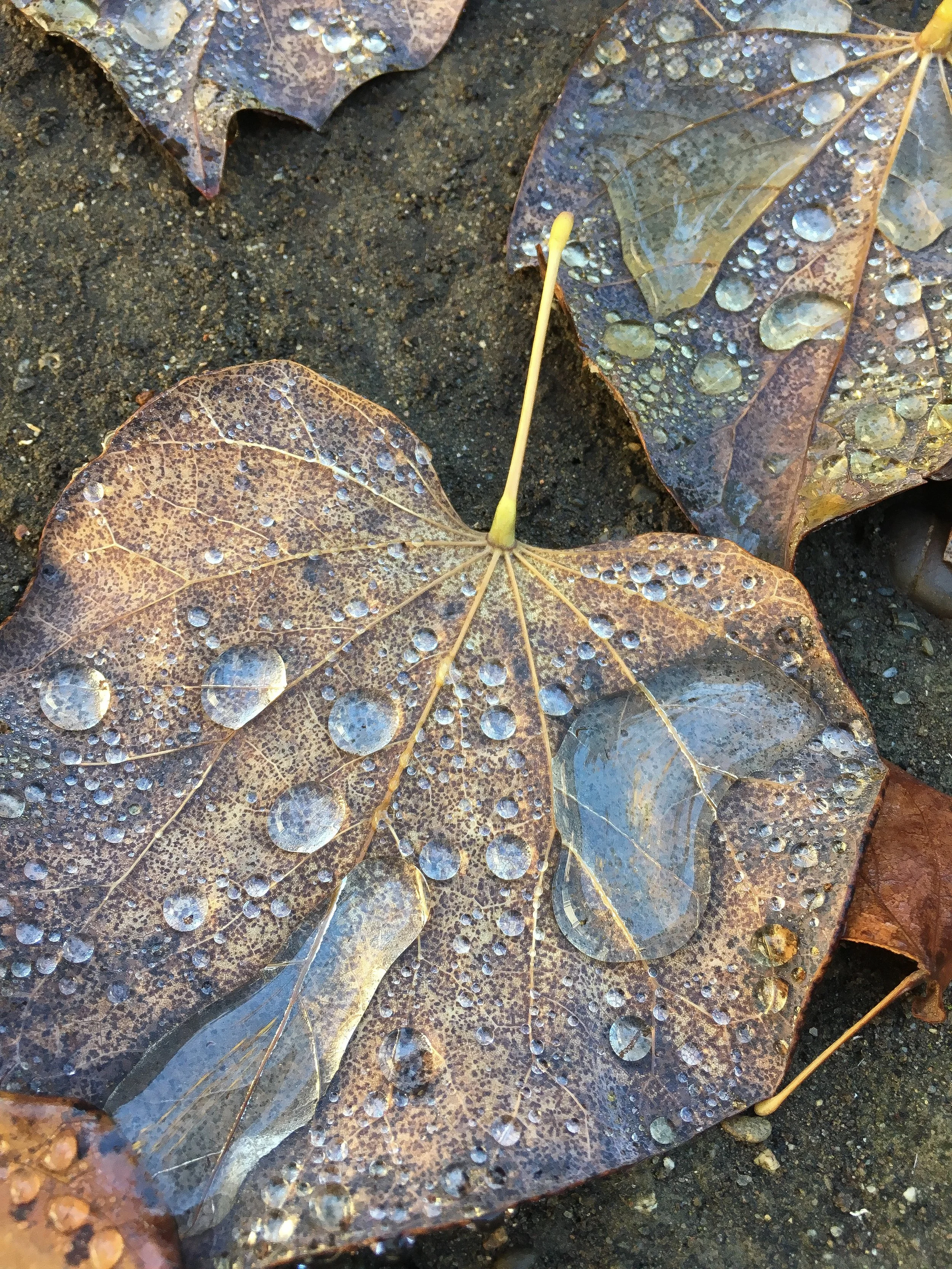
Now it is November...

photo: Robyn Wolfe
November
Now it is November,
Trees are nearly bare;
Red and gold and brown leaves
Scatter everywhere.
Dark now, are the mornings,
Cold and frosty too;
Damp and misty evenings
Chill us through and through.
Busy are all creatures,
Winter food to hide;
Nests to make all cozy,
Warm and safe inside.
(author unknown to us - let us know if *you* know!)

:: GIVEAWAY ::
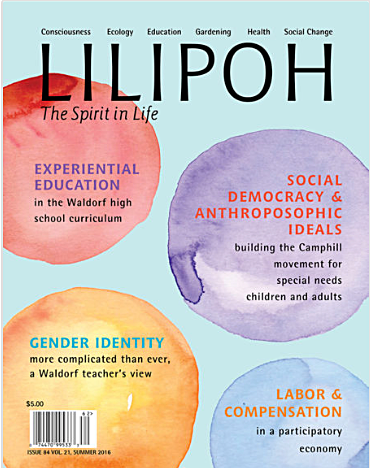
We're teaming up with the crew at LILIPOH magazine to give away a 1-YEAR SUBSCRIPTION!!
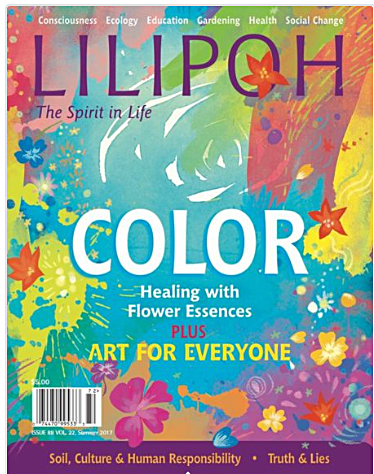
Both inspirational and practical, LILIPOH is a quarterly lifestyles magazine for the growing populace known as ‘culture-creatives,’ folks interested in holistic health, well-being, creativity, spirituality, gardening, education, art, and social health.
Articles, art, poetry, reviews of books, and news make LILIPOH a well-rounded, solution-oriented publication for creative, green-minded, thinking individuals who have an interest in spiritual inquiry and a desire to make a difference in the world.
Their upbeat and easygoing style packs in a lot of information that, over time, brings a new understanding of how the spirit works through the life in completely practical ways.
The quarterly magazine brings together different sectors of our culture, enriching the life of ideas and uniting like-minded folks who are interested in health, spirituality, and human development, and how those aspects of life are strengthened in practical ways through:
· exploring and learning about holistic therapies
· discovering how economics can support local communities
· the ‘how to’ of organic and biodynamic gardening
· enlightened views on caring for and working with the land
· how we educate our children
· surrounding ourselves with beauty, and emphasizing the role of art in our culture
· social change and initiatives to bring about social health
· spiritual practices and consciousness studies

Leave a comment below - tell us which of the focus points (listed above) interests you the most! We'll choose a winner on Monday, October 30th from the comments.
*And the winner is.....ANDREE ROBERT!*
The gift subscription will begin with the Nov. issue - the Holistic WELLNESS GUIDE! Read more about this special issue, here * U.S. residents only, please - territories included.
Getting Started With Storytelling.

Finding inspiration in doing, exploring, and enjoying nature.
Last week I talked about why we tell stories, and why children need us to tell them stories.
This morning, I took a few moments to think about where I told stories this week. At the preschool where I assist a few mornings a week, the children were telling their scariest stories, which mostly involved older siblings shooing away ghosts. I shared some little tales to help redirect play, and later in the day, visited one of my tutoring students. Together she and I explored the stories of Marco Polo and Ibn Battuta, contrasting their storytelling styles, and finding that we both preferred Ibn Battuta’s easy narrative to Polo’s constant reminders of how strange and foreign everything is! And then, with my son, this week brought chances to share stories of how he’s grown, and of how hard school was for me when I was a little younger than he is now.
In many ways, storytelling is so woven into the fabric of my daily life that I hardly notice it any more, but I still remember panicking the night before starting a new lesson block, wondering how I would remember the next day’s story. Over time, I have learned some wonderfully easy ways of getting stories into my head and heart, and I look forward to sharing them with you in these posts.
Just getting started with storytelling, though, when you don’t think you know how, can be daunting in itself. Forget teaching content — how do we even begin? Here are three easy ways to dip your toes into the river of story. Be careful, though — once you start telling stories to your children, they are unlikely to let you stop!
1. When I was little . . . (Also known as, “When your grandpa was a little girl…”)
My mother’s family are born storytellers. And then, when you take a storyteller and surround her with storytellers, there is no end to the tales that come spilling out at family gatherings. My grandmother, a short, auburn-haired woman with a love of green onion sandwiches, used to start stories about my grandfather’s childhood with a twinkle in her eye and the words, “When your grandpa was a little girl…” which provoked gales of laughter right from the start. What are your family stories? Try telling one in the car or over a meal tonight. Children love to hear about themselves and about their loved ones — try telling about something your child did as an infant or toddler, or about a time when you had a similar experience to one they’re having now. It needn’t be an epic saga. A few sentences will do.
Pay attention to sensory details, if you can recall them — what did it look like, smell like, sound like, taste like? These family stories are ones you don’t have to learn; you already know them by heart. They are in your bones.
2. Nature Stories
Quick! What’s going on outside right now? What is the weather like? How strong is the wind? The name “Nature Stories” encompasses a wide range of story types and styles. Let’s start with something really simple, especially if you have children under 7. Pick an animal or plant you see every day. If you are in the Midwest of the United States, that might be a squirrel or a rabbit; maybe a goldenrod plant or a dandelion. In the heart of London? Perhaps it’s a pigeon or a swan in the park, or even a simple tree. Living on a sheep station out in western Australia? Well, sheep are easy, but maybe a wombat has been digging out your gardens. Give your child a peek into that creature’s day. Animals eat and sleep each day, just like your child.
There doesn’t need to be a big dramatic event, just the events of their day, told like you might tell your child what you did yourself that day.
“Well, Flopsy rabbit woke up, and she hopped out of her burrow. She saw the sun would rise soon, and she used her paws to clean her face. Then, she found a tasty clover flower to nibble.” Again, sensory details are key. Don’t worry about giving the animal or tree a strong personality. Just take us along for a day in their life.

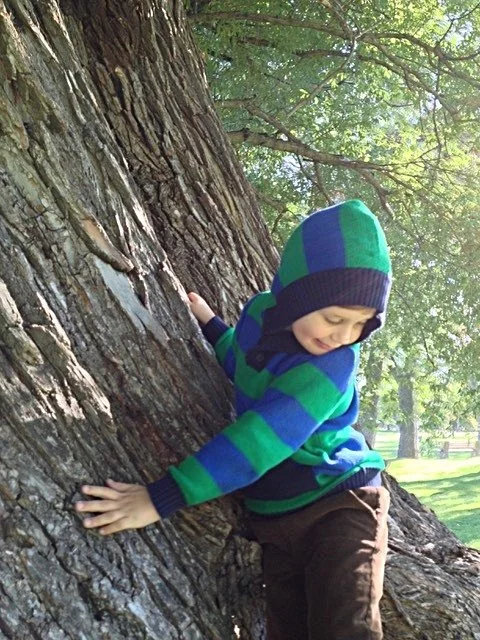
Find inspiration for stories out in nature!
3. Tried and true
Why do some stories seem to get told year after year, in form after form? Because they work! There are plenty of deep reasons why preschoolers love, “The Gingerbread Man,” and older elementary kids beg for a spooky story around the campfire. Pick one you already know, one with a painfully easy plot, little to no character development, and plenty of repetition. Tell it to yourself first — in the shower, while washing dishes, as you mow the lawn, in the car — until you feel like you have a good sense for the sequence of events. Then, tell away! If you are feeling especially ambitious, you could make a little puppet play with toys your child has already.
A word to the wise: if your child is especially young — under 4 or 5 — or has never had stories told without a book before, it may take a while for them to learn to be listeners. For littles, make the stories very short and simple. You can let older kids know you are trying something new and need their help. They might like to find toys or objects to help you act out the story, or to draw as they listen. Mealtime is a great time to start a storytelling practice. It gives talkative youngsters a chance to practice listening, and to actually get some food in their bellies! Sharing a story at the table also serves to invite deeper conversation, and to give children who are more shy a chance to relax and enjoy the company around the table without the pressure of having to answer questions.
The most important piece of advice for how to get started, is to start! And then start again! Don’t be afraid to tell the same story over and over, but if a story just isn’t working, chuck it out the window and try something new. Remember, it's important. I actually think storytelling can save the world, and it’s up to all of us to tell and to listen.
(all photos: Sara Renee Logan)


Sara Renee Logan has been telling stories to anyone who would listen since she was seven. Many years as a Waldorf teacher allowed her to tell stories about everything from Baba Yaga's hut on chicken legs, to the water cycle, to the life of Joan of Arc. She continues to share her love of storytelling and stories with audiences of all ages, specializing in bringing the wild beauty of folktales to young and old.
Sara has a home on the web at sarareneelogan.com where she shares stories of her life, tips, and ideas for parents and other storytellers. Sara offers coaching services and the Story/Reading process of story-based biography exploration that guides seekers to look deeply into their own life stories through the lens of traditional tales. Sara shares her life with her partner, Melanie, their son, and an unreasonable family of pets.
Find Sara on Instagram @seven_ravens_sara
Looking for something?
Welcome to Waldorfish! We started this adventure in 2012 out of a desire to make Waldorf training more accessible to class teachers in remote locations and to homeschooling families everywhere! Read more, click here.


WE WON! Our Weekly Art courses were voted “best interactive art program.” Learn more about the award, here.


Click here for a full list of schools we work with.
A few of our most popular blog posts:
Who are our courses for?

Starting Waldorf First Grade
4 Things to Know Before Planning Your Homeschool Year

In Praise of Balance: A Healthy Festival Life
Science in Waldorf Middle School: Starting Something New!