
Waldorfish Blog
Celebrating Michaelmas
The seasons are shifting.
For some of us the relief of fall is on the horizon. For others, the arrival of spring has been long awaited.
Last week I noticed that I was craving soup. Like, CRAVING. Never mind that it's still in the mid 90's where we live. For Brian, this seasonal shifting means a trip to our local foothills and his beloved Apple Hill (insert images of apple cider, apple donuts, etc, etc, here). Of course, we're a few weeks ahead of ourselves still, but....it's coming. Can you smell it?
Michaelmas is approaching as well. This brings to mind the year that Brian almost (almost) had our kids believing that he saw a Michaelmas dragon sale going up in the parking lot of a local chain store near us. Think Christmas tree lot, but with dragons of assorted temperaments, colors and sizes. Thankfully our kids (mostly) appreciate our sense of humor. So far anyway.
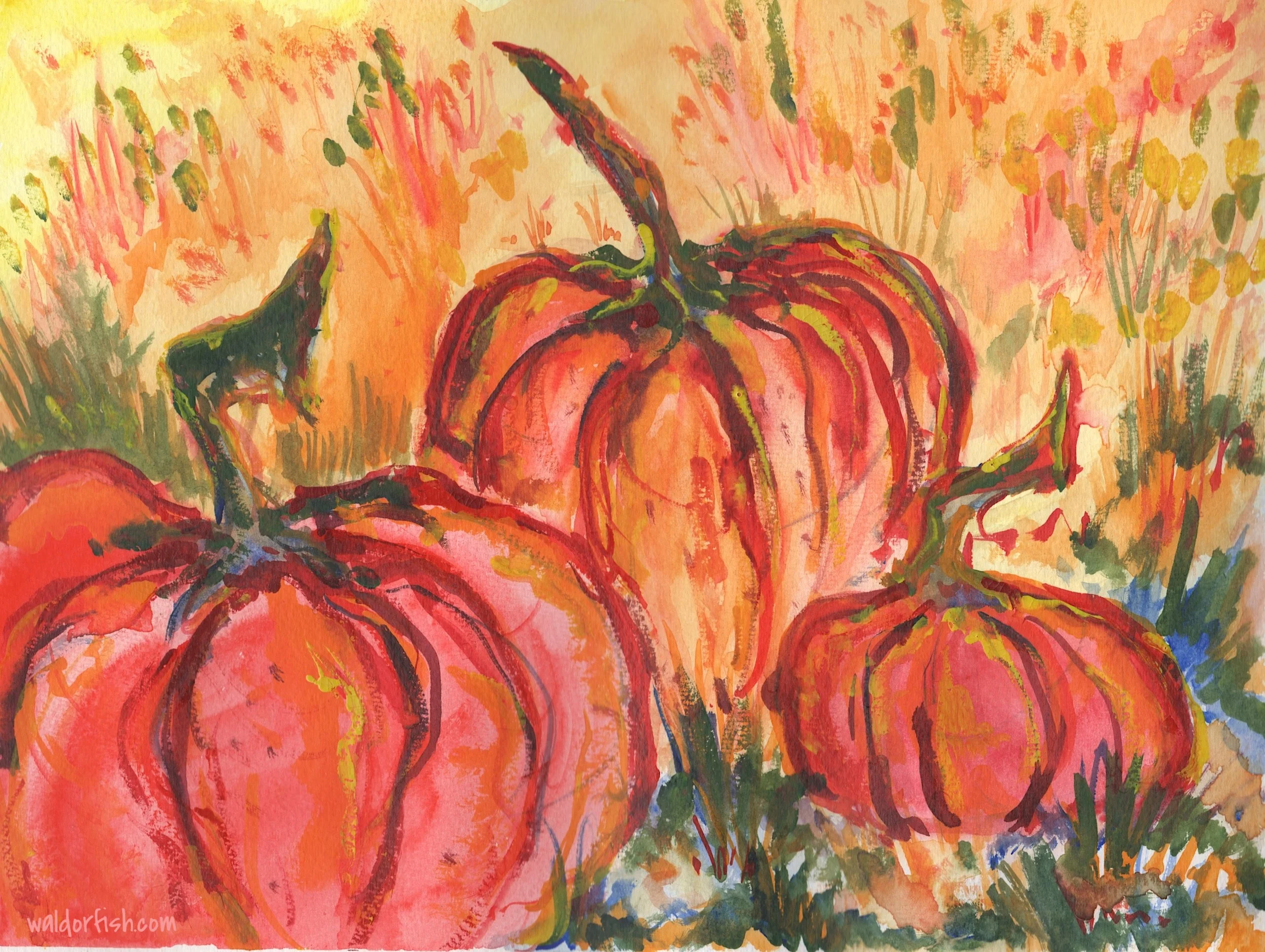
The change in season brings new opportunities to come together and celebrate!
Here are two pieces that we love for this time of year.
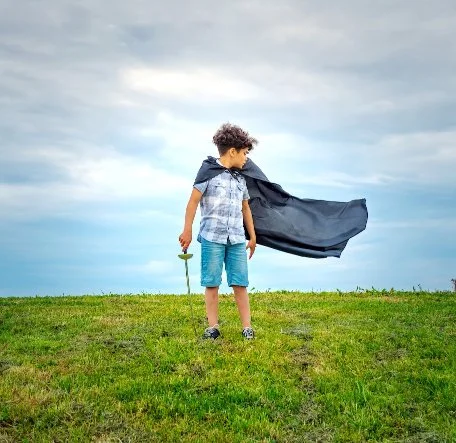
"Modern parenting seems to dictate that we should protect our children from the bogey and even from knowledge of its existence. But “it is in the world already.” Children know the terrors that lurk under the bed, in the dark, and in the whispers of grownups.
With fairy tales and golden capes and wooden swords and songs, we stop lying to them. When we show them the monsters and evil hiding in the stories, and help them shape their weapons, when we give them the words to “conquer fear and wrath,” we validate what they already know – that there are dragons."
On Dragons and Making Swords... read the full piece here
No matter which hemisphere you call home, this piece also offers many ideas for consideration.
"As a Waldorf-inspired homeschooler, you have no doubt noticed that a healthy festival life is one of the anchors around which Waldorf Education is organized. These rituals and festivals have traditionally contributed to the stability of communities of the past, and now brick-and-mortar schools of current time. They create an opportunity to relate to the seasons, and to each other.
What then, does this mean for those of us who have chosen to leave a local Waldorf school, or, to never attend one at all? What meaning do these festivals, or feast days as they are traditionally called, have when they are practiced in much smaller group settings without institutional support, or even at home within individual families?"
In Praise of Balance: A Healthy Festival Life ... read the full piece here
Additionally, take a look at our Michaelmas Pinterest board for plenty of ideas, tutorials and resources.
All our best to you,
Robyn & Brian Wolfe
Related content:



Community Supported Postpartum Plan
The following is shared with permission from Kerry Ingram, of Mothering Arts. We are thrilled to share this important resource with the Waldorfish community!

If you are a parent you already know that all the cute onesies given to you at your baby shower/birth blessing paled in comparison to the home cooked meals delivered to your door postpartum.
The diaper wipe warmer and stuffed elephant were sweet, but the friend who picked up your groceries and washed your dishes felt like a superhero. The transition into motherhood or into mothering more than one child is truly a rite of passage. It is vital to acknowledge this passage into parenthood in a way that represents you, your lineage, your culture and your intentions.
Being seen and supported by your community is an inclusive practice that just about anyone can do. Simply by coming together to help with everyday life, is one way of saying "we see you, we see this transformation and we are here for you".
By supporting a family during the tender postpartum time, the community enhances the health and well-being of the entire family, and the health of the community is also nurtured.
When mothers feel supported, they have a boost in oxytocin which helps the production of breast milk, reduces stress, promotes mama-baby bonding and even helps to balance hormones. There is quite a bit of anthropological evidence supporting levels of oxytocin being greater in women living in close proximity to family or close community as seen in indigenous cultures.
Nowadays, many of us need to re-create the village to receive our support and nurturing, that is where Community Supported Postpartum comes into play.
You have heard of a CSA (community supported agriculture). Maybe you have heard of a herd-share where you pitch in and receive weekly milk or meat. We belonged to a wonderful CSH (community supported herbalism) last year and received tinctures, teas and salves each season. Or perhaps you have been part of a school work day or grocery co-op.
All of these organizations have the same foundation of ideals; when we can come together with shared values, it benefits everyone involved as we stand/work in solidarity. When many hands pitch in, the work is lighter and the connection is stronger. The whole is greater to the sum of it's parts.
What if we could use the same great form to support folks who are welcoming a baby? The shared value is that families need extra support in the tender postpartum time, we can all stand behind that notion. I call this Community Supported Postpartum; CSP. My hope is that we can start incorporating intentions of true community support into every baby shower and prenatal gathering so that families can experience how valuable community can be in the postpartum time.
Leave the pacifier with the mustache behind, and grab a copy of this instead.
We all want to be a helpful friend or family member, and sometimes we need a bit of guidance. After decades of supporting my friends, my community and the many families I have worked with as a teacher and in our mama-baby classes, I have curated a list of helpful ways that we can all pitch in to support a postpartum journey rooted in health and community support.

4 Questions (we should all be asking on behalf of our children)
Crafting the rhythm of our children's days and school year can start to feel daunting when we consider all the various options available to our families.
Several years ago it became urgently important that we find a way to distill our planning process down to focusing on the things we considered MOST important. We want to share with you the 4 guiding questions that were the result of our reflections. Brian and I ask ourselves these questions when making decisions for our children, in regards to schooling and at home.
Whether you are new to Waldorf(ish) education, planning your next homeschool curriculum, or looking to make a course correction when you feel like you may have wandered off track, these gems can serve as guideposts. They come out of our successes as well as our failures.
Simple. Useable. Right now.
The 4 questions:
(I encourage you to take your time reading these. Really savor Each. Word. Perhaps keep a piece of paper nearby to write down your immediate responses & thoughts.)
1. Does this (activity, toy or program, etc.) encourage creative thinking? Thinking that is permeated with imagination, flexibility, and focus?
2. Does this experience help foster my child’s emotional intelligence? Is it helping my child develop empathy, and building their self esteem?
3. Is this (activity, toy or program, etc.) promoting my child’s physical vitality, stamina and perseverance?
4. Is this (activity, toy or program) helping to nurture a spiritual depth within my child? One born out of an appreciation and responsibility for the earth, their work and for their fellow human beings?

Take your time to reflect on what your child really needs in their daily learning experience.
Bonus Gem:
This piece, written by longtime class teacher, Steven Sagarin, is such a perfect compliment to this process of reflection:
(Pro-Tip)
Read his article in chunks, accompanied by good chocolate. Give yourself time to go about your day and let each section sink in before reading the next.
**Essentially, we believe that a Waldorf education can take a variety of forms and still be PERFECT.**
“According to each teachers individuality, outer forms of teaching may vary enormously in the different classes, and yet the fundamental qualities are retained...in a Waldorf school outer forms do not follow set patterns, so that it is quite possible for one teacher to teach his class of 9 year olds well, while another who takes a completely different line, can be an equally good teacher...and as long as the teacher feels in harmony with the underlying principals, and with the methods employed, he must be given freedom in his work instead of being tied to fixed standards. ”

We'd love to hear your thoughts!
All love,
Robyn
We’d love to teach for you this year!
Questions? Let us know how we can help —> Click here!
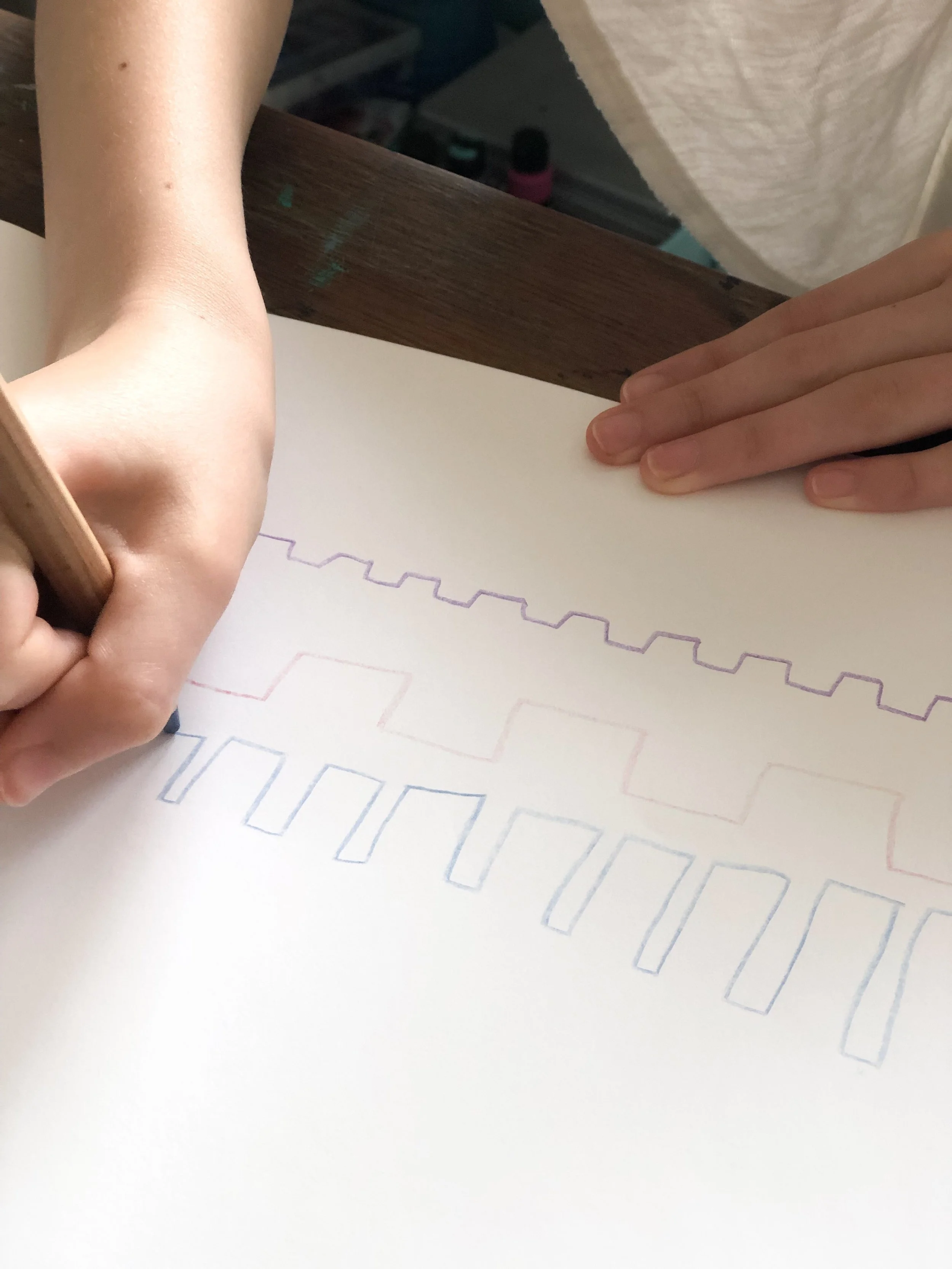
What is Form Drawing?

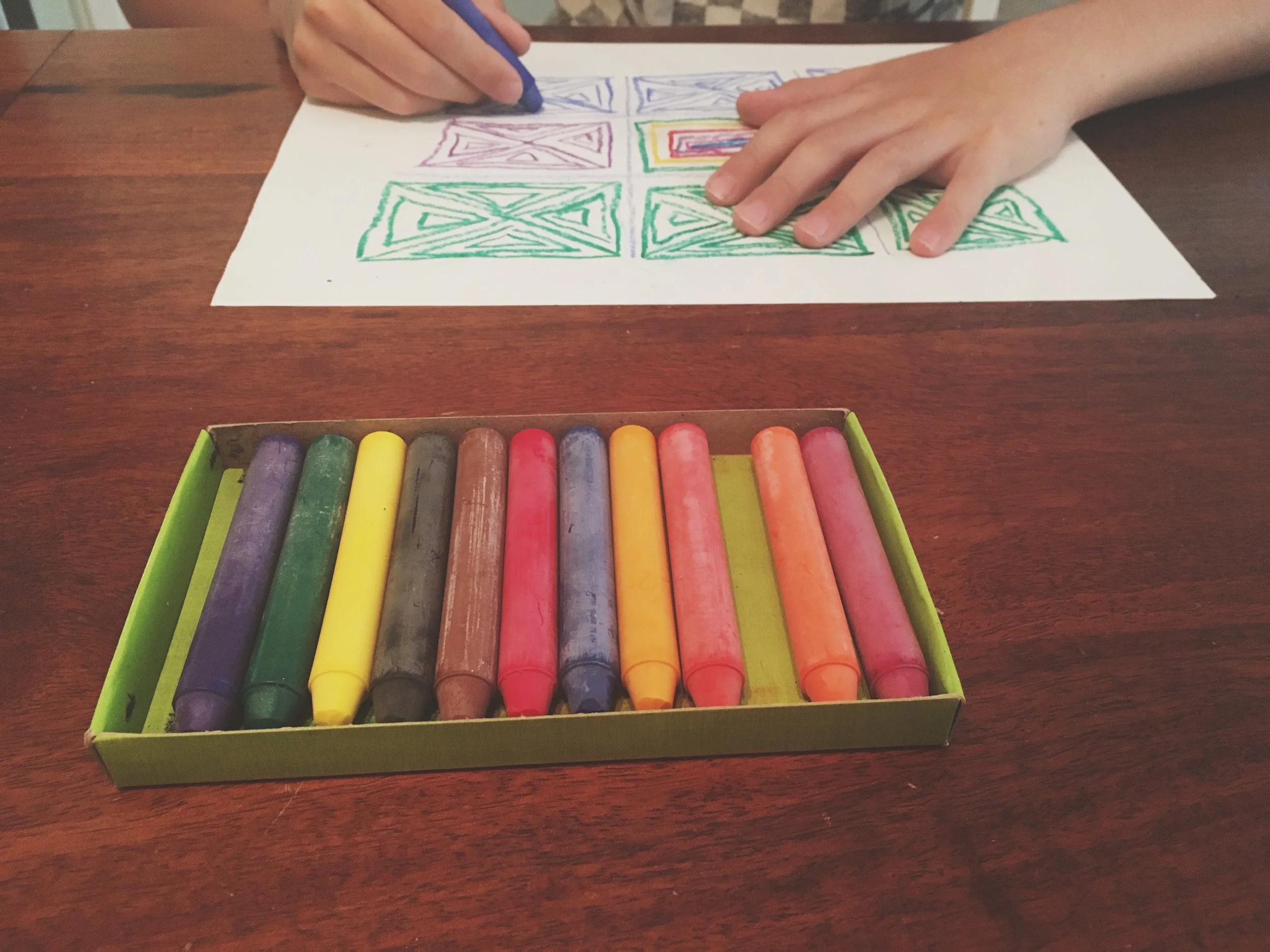
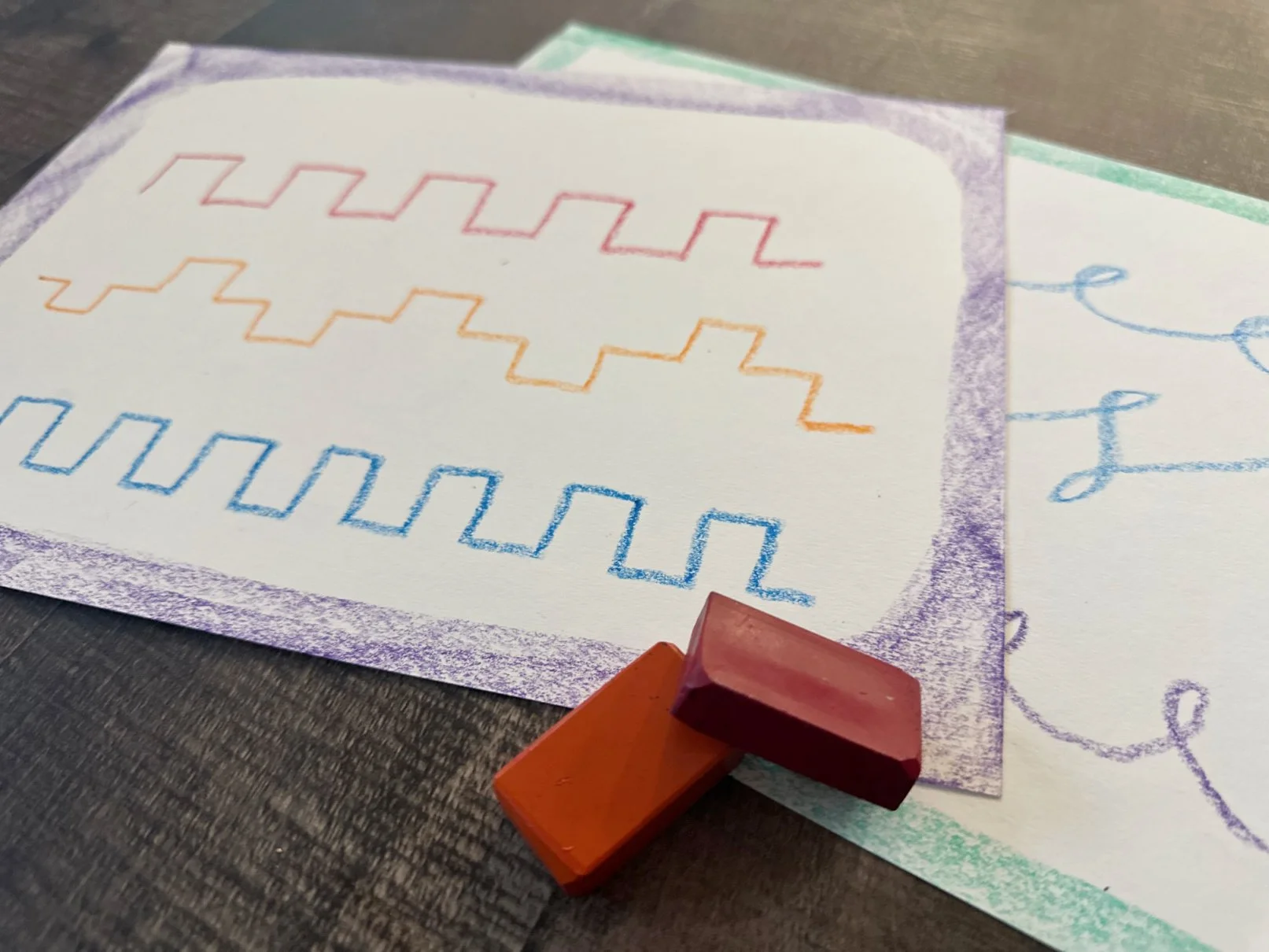
Form drawing is a cornerstone of Waldorf curriculum in grades 1-4.
I will freely admit to anyone that knows what Waldorf form drawing is that I was terrified to bring it into a homeschool environment.
What, exactly, was encoded in those mysterious lines and shapes? What esoteric wisdom did I need to attain before I could try to impart this practice to my son? Like most things I fear, the answers were not as complicated as I originally thought.
“The child’s capacity to develop an integrated sense for spatial orientation – upwards, downwards; left, right; center, periphery – is supported in the practice of form drawing.”
Form drawing, it turns out, is a brilliant way to work with one’s senses...senses being of great importance in a Waldorf education. Paper and pencil serve as a lantern, illuminating our inner selves, the forms creating a blueprint of our inner (and outer) orientation.
" Rudolf Steiner, in his many lectures on this subject, speaks of twelve senses. Added to the usual five, there is a human sense for rhythm, warmth, balance, movement and so on..."
- The Incarnating Child, pg. 73
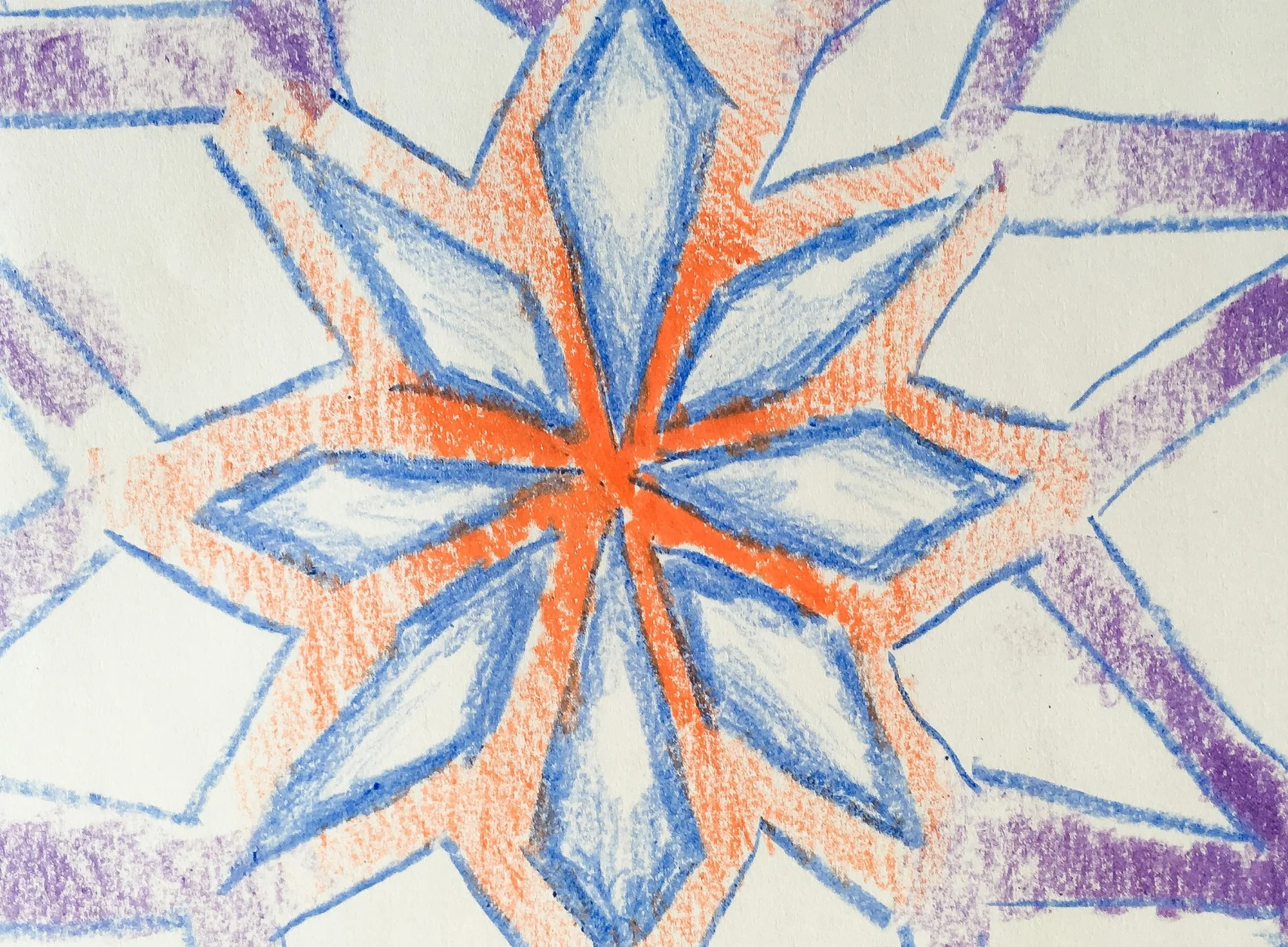
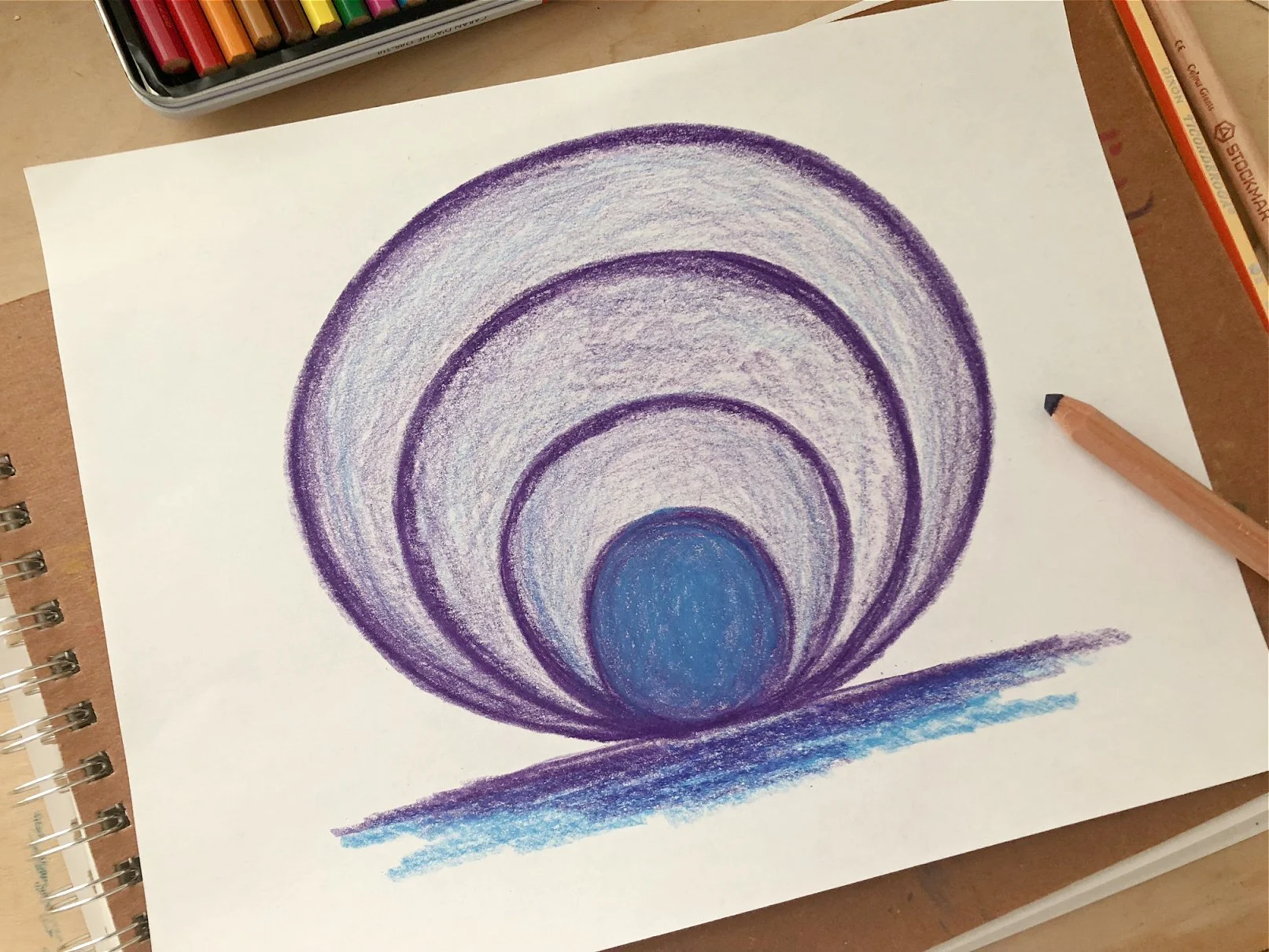
Form drawing is a beautiful way to bring color and form together.
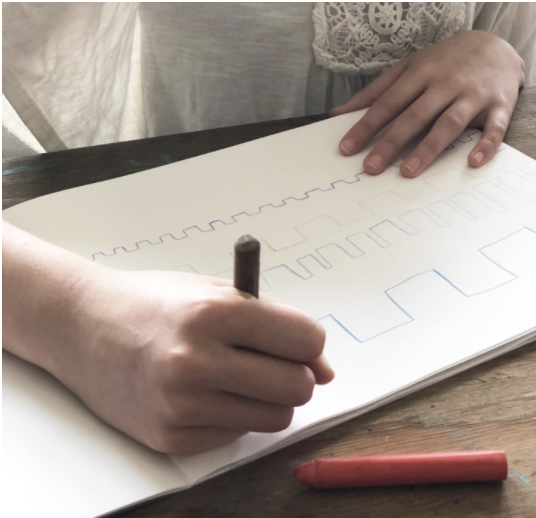
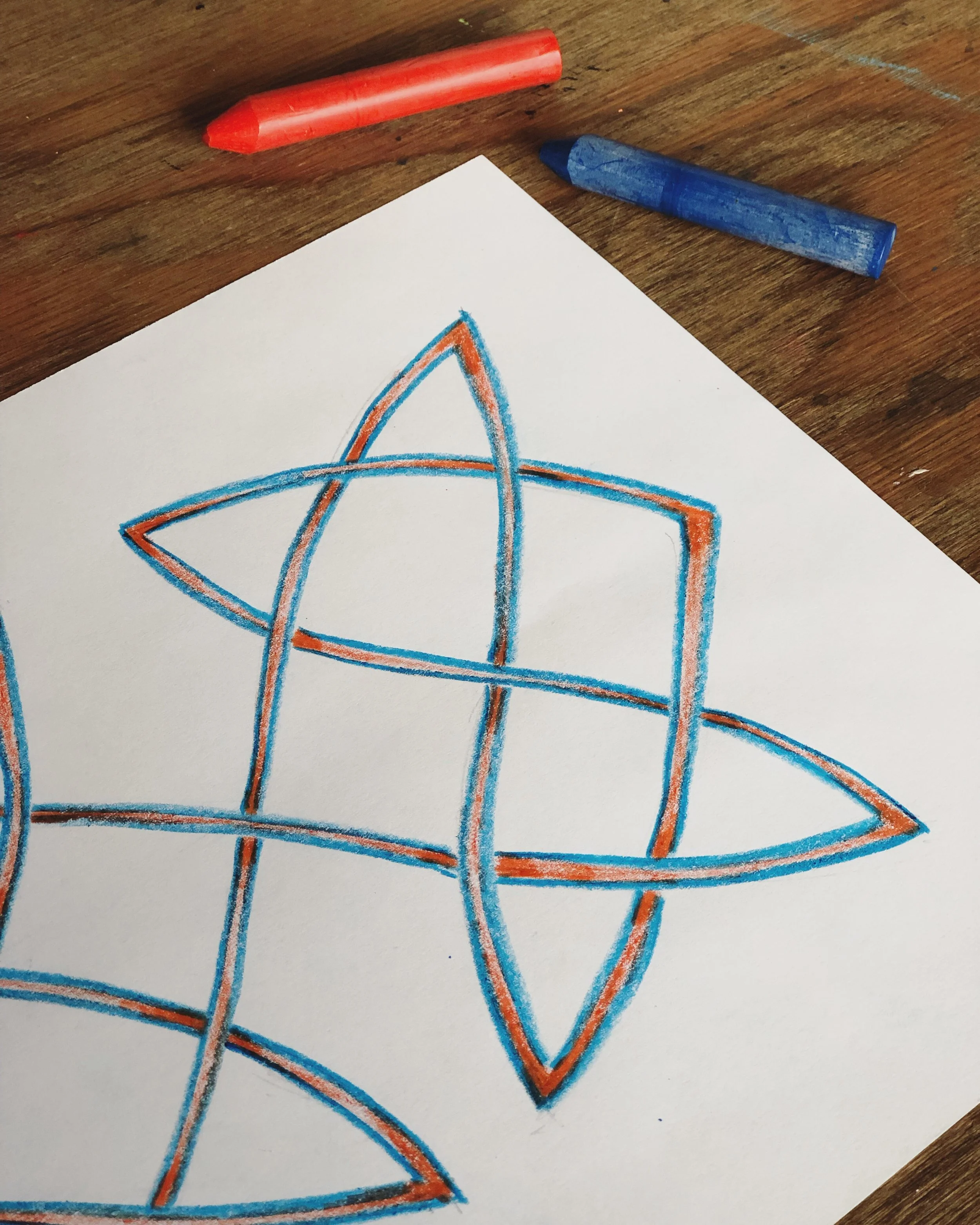
Beginning in first grade and extending throughout her time at a Waldorf school, a student engages in drawing exercises that range from very simple to very complex, according to her grade and various topics of study. Straight and curved lines form the foundation for letters in 1stgrade, for Celtic knots in 4th and Geometry in middle school. Over and over, drawing both imparts knowledge and folds it back into oneself.
"Straight lines and curves are the starting points for form drawing. This begins with the discovery that the line is a path along which one can move. Children should experience the characteristic difference between straight lines and curves through drawing them, after having explored their character through whole bodily movement in space."
- The Tasks and Content of the Steiner-Waldorf Curriculum, p.137
Much can be ascertained about the form drawer from this kind of work, and the analytical angle is an important one. There is, however, another important aspect of Form Drawing that should not be overlooked: it’s a lot of fun. As soon as I embraced form drawing as the journey itself (instead of a perfect form being the destination), our weekly work became something to look forward to.
Don't forget to practice!
Forms can and should be returned to time and again for a variety of reasons that will become clear to you as you study, draw, reflect, and repeat. Remember that they are not about achieving anything in particular. Think of them as a friendly guide.
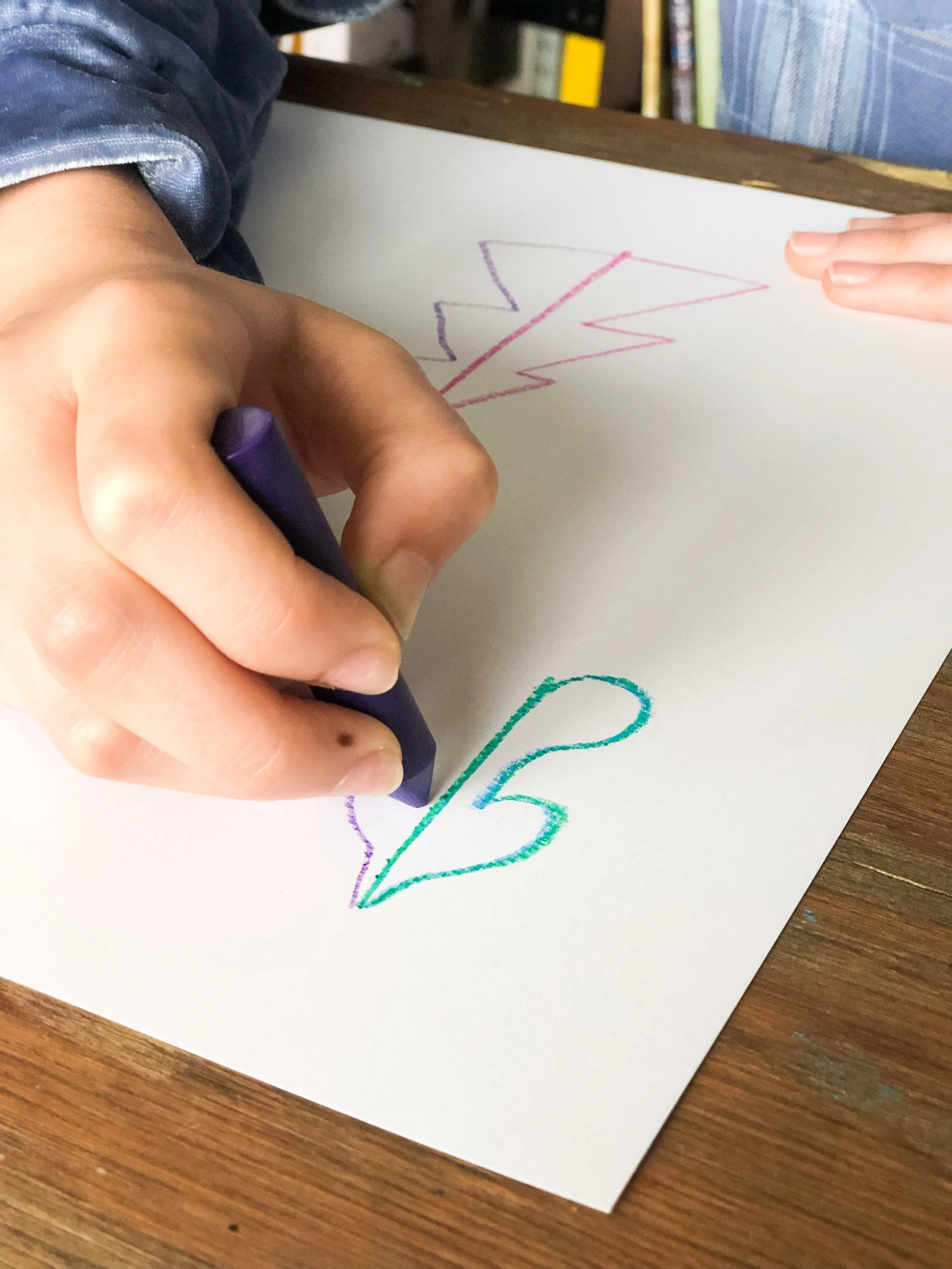
Form drawing is a deep ocean that one could spend an entire lifetime learning to navigate. Don’t let this stop you from jumping in. Buy a book, look up #formdrawing on social media and reach out to people whose ideas are of interest to you, but most importantly pick up a pencil, chalk, stick or block crayon, suspend your judgment, and encourage your child to do the same.
This radical act of trust in the power of art to teach and transform is the lynch pin of Waldorf Education.
Try a Free Form Drawing lesson!

About the Author
Cristina Havel lives in Southern California where she and her husband have worked together for nearly 2 decades. They homeschool their son using the Waldorf pedagogy as a guide and believe in the transformative powers of art and nature.
Related content:





Looking for something?

Welcome to Waldorfish! We started this adventure in 2012 out of a desire to make Waldorf training more accessible to class teachers in remote locations and to homeschooling families everywhere! Read more, click here.


WE WON! Our Weekly Art courses were voted “best interactive art program.” Learn more about the award, here.


Click here for a full list of schools we work with.
A few of our most popular blog posts:

Who are our courses for?

Starting Waldorf First Grade

4 Things to Know Before Planning Your Homeschool Year

In Praise of Balance: A Healthy Festival Life
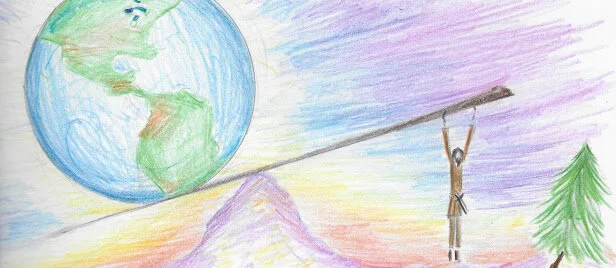
Science in Waldorf Middle School: Starting Something New!