
Waldorfish Blog
Tracking The Hour Hand: A Measure of Waldorf Education
It happens every year, and every year it comes as a surprise.
Maybe it’s because it never shows up in quite the same way.
Major growth presents itself.
It’s as if my son truly embodies the grade he is completing.
It makes sense, doesn’t it?
After all, what exactly makes a 1st grader, or a 5th grader or a 10th grader? When do they “become” that? When did you become a parent? During pregnancy, on adoption day, your wedding day, at the moment of your child’s birth? Or was it some other time, when you found yourself able to meet a critical need, like feeding, or providing emotional nurturing when it was called for?
Becoming, or in psychological terms ‘development’, is a mysterious process.
““Each child in every age brings something new into the world from divine regions.””

Little by little, a child is always growing.
A pattern has emerged in our particular family, as I can look back to the end of 4th grade and see that something similar happened. My son starts a school year with an invisible (to him) set of expectations laid out before him like an obstacle course. It is in many ways the job of teachers (including this homeschooling parent) to keep him on track, focused, able to clear fences and maintain a relatively consistent pace. The school year is long, and by February my philosophy about education, especially home education, can be summed up as follows:
¯\_(ツ)_/¯
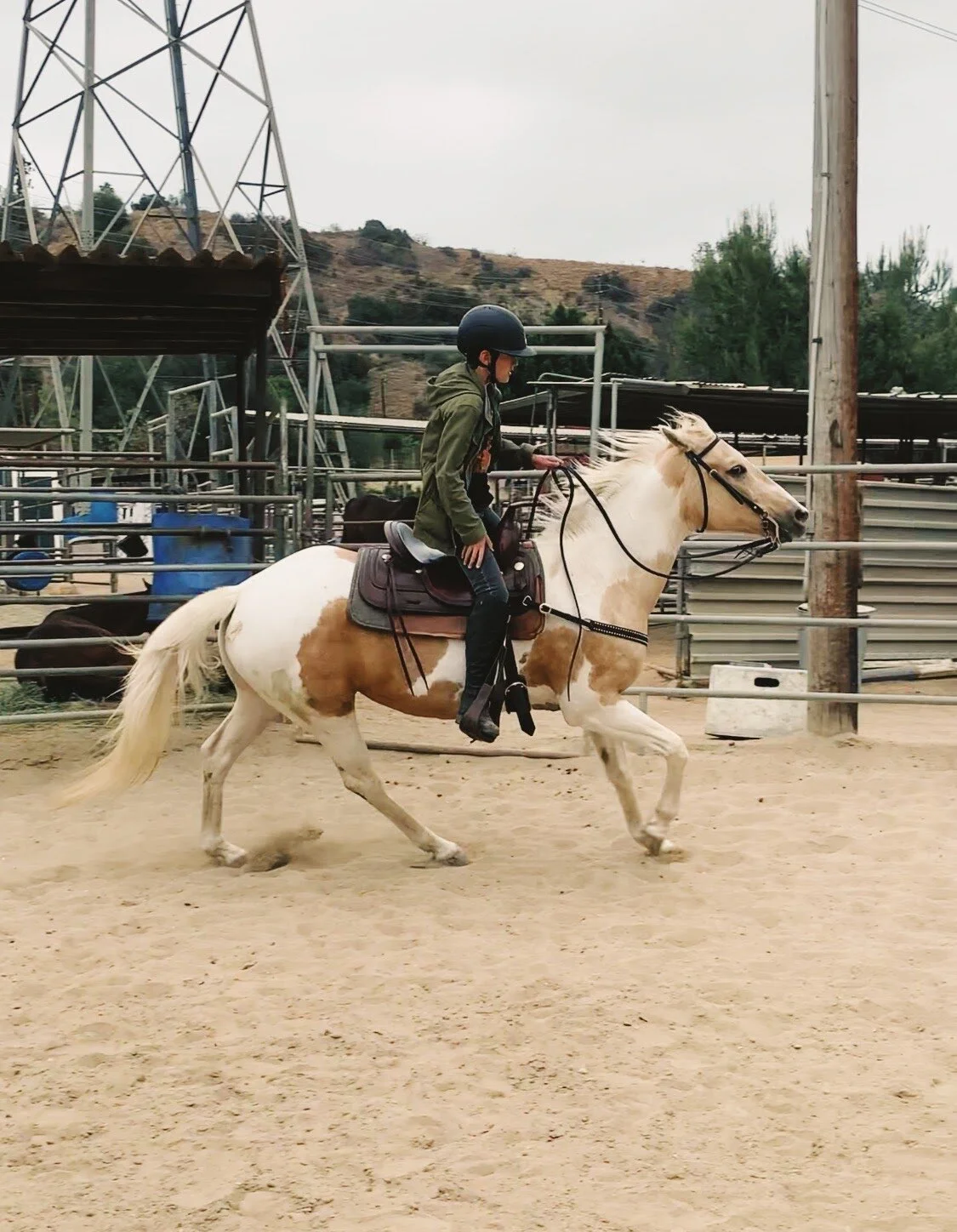
Yet we continue to meet in the homeschool room week after week, on some afternoons studying world history and exploring ways to use a scientific calculator, on others drawing complex geometric figures and discussing the characters and themes in books we have read. Many nights we build a fire in our backyard, set up a telescope, and look at the moon. Every morning we ride our horses and listen to music. Instruments are practiced (almost) daily.

A new phase is always around the corner.
By the middle of May we spend more time outside. Our school days get a little shorter. We start looking back at the terrain we have traveled, and what remains to be studied.
This is when the magic happens.
“In his book, The Education of the Child, Rudolf Steiner states that an individual’s personal development often takes place on two levels. He notes that there is the change that occurs on the surface, quick change, like the movement of a minute hand on a clock...but more significant changes, changes in habit, temperament, and character, in short, changes in human nature, occur like the movement of the hour hand.” -- Jack Petrash, Understanding Waldorf Education: Teaching From The Inside Out
I ask my son to complete an assignment. What at the beginning of the year took 3 separate class sessions, now takes one sitting. Unable to believe that this is happening, I ask for a little extra. The work is completed. I ask for just a little more, perhaps a simple illustration, or further explanation. It is done without comment.

A sample of student work as they discover the life-cycle and ancestry of bees.
And I say to myself, he has crossed the finish line.
For now.
The hope is that he never sees a finish line, forever finding new ways to challenge himself, and grow.
It is a privilege to be part of the process.

About the Author
Cristina Havel lives in Southern California where she and her husband have worked together for nearly 2 decades. They homeschool their son using the Waldorf pedagogy as a guide and believe in the transformative powers of art and nature.






Waldorf Grade Two Painting: Coming into Form
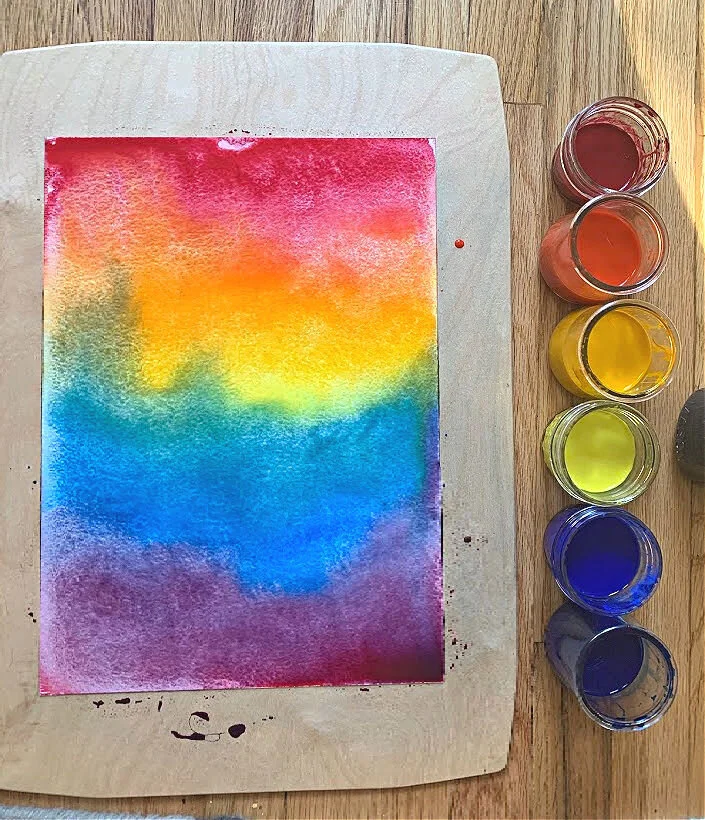
What forms can we find in the color?
In first grade, the experience of painting becomes a formal and rhythmical experience.
Colors are introduced very slowly and purposefully; each is given a personality and mood. The unfolding of color in this way allows the children to build a connection to each as individuals. In the Grade One painting course, the colors carmine red, lemon yellow, and ultramarine are introduced and worked with through the use of verse and song. (To learn more about first grade painting and the philosophy behind it, click here!)
“Forms by themselves are of course stationary; they are motionless and stay where they are. But the moment the form has color the inner movement of the color sets the form in motion and the world’s ripples, spiritual ripples, pass through it. If you color a form you immediately give it a soul quality of a universal kind, because the color belongs to more than just the form...”
How does watercolor painting evolve with the growing second grader?
At this age, it is important to keep in the mind the child as they are now.
They are very much living in the innocence of early childhood and beginning to move away from it as they grow. First graders view the world in their wholeness and purity, while the growing second grader has a new capacity to see human nature in duality- the higher nature of humans, and the less virtuous parts of us as well.

Beautiful mountains in simple colors!
As the second grader views the world through a new lens, story becomes the main tool the teacher (whether they are in the classroom or at home) uses to introduce and build connection with color. With the stories of Noble People, animals, and fables, the teacher is meeting the child where they are, showing them the different aspects of how human beings can live and influence the world in which we live. These stories are examples of how humans can choose to act in their higher nature, and not live in the more “animal” nature of mischievous or dark aspects of the human being.
“...The color the individual form is given links it up with its surroundings; in fact it links it altogether in the world. You could say that when you color a form you should feel that what you are doing to the form is ensouling it. You are breathing soul into dead form when you give it color.
-Rudolf Steiner”
At this age, children still have rich and active imaginations, and with story and verse, the essence of colors are introduced, allowing the children to forge a connection with the color on a deep level. Carmine red is strong and fiery, golden yellow is warm, and stronger than the lemon yellow, and prussian blue has a new and more individual quality than the ultramarine, especially when it meets another color on the page.

Beautiful tulips from our second grade painting course.
The meeting of these new secondary colors is a new and essential experience for the second grader.
The children view not only how colors are as they stand alone, but how they are as they meet. How do they relate to each other? To their peers? What combinations create something beautiful or murky? Here again holds the theme of duality that the second grader is beginning to experience within themselves and observing in the world around them.
With duality, the second grader begins to paint forms- landscapes, the ocean, sunrises and sunsets, streams, and more. Through painting, the world comes into form, for example, the shades of blue become the waves of the ocean, the yellows form into happy flowers, and the reds flames of fire. As the child forms, and views the world, so does their experience in painting class.
Are you interested in bringing watercolor painting to your (home)school curriculum? Check out our Grade One and Grade Two painting courses! Our amazing instructor Amanda Mercer has created online courses that provide everything you need to make weekly painting lessons a doable, fun, and meaningful experience.

About the Author
Amanda Ziadeh Mercer is a dynamic Waldorf Teacher! She has had the pleasure of working with children in varying stages of development, ranging from infants in Parent-Child programs to the more mature students of the eighth grade. This wide range of experiences has gifted her a full picture of the developmental stages of childhood.
More from Waldorfish:




When children rush - 3 things to consider
Waldorfish Form Drawing teacher Rev Bowen was recently asked by a caregiver enrolled in the course how to work with a child who appears to be rushing through their work. His reply is relevant regardless of the subject being discussed, and we wanted to share it with the Waldorfish community at large!
There are typically three reasons children rush:
1. They feel the work is far too easy, which is never the complete picture.
2. They find the work too challenging.
3. They have a soul habit that the adults around them have engendered, which is virtually always true.
To this lattermost point, I will just remind us all that our culture is fast-paced, convenience, and results-driven. It is very difficult to foster a practice of care and consciousness in these times--but we absolutely must do so.
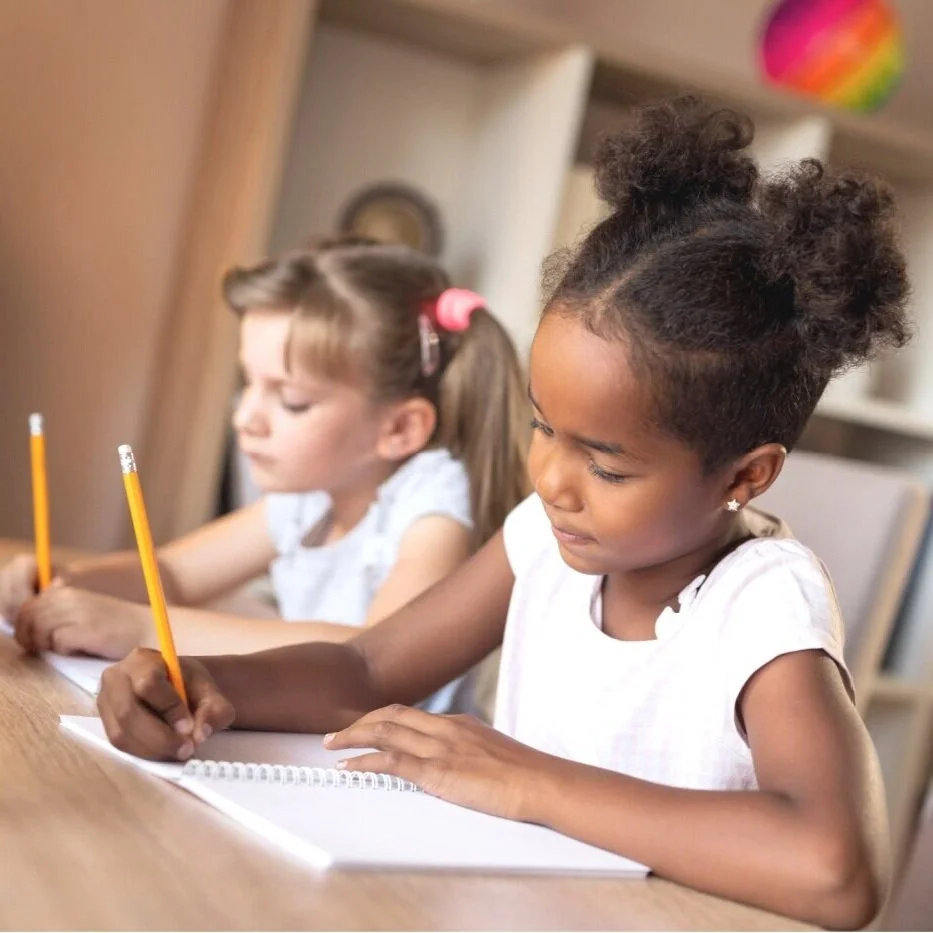
Take time to observe a child who rushes through their work- you may be surprised at what you discover!
Let’s take a closer look at these 3 possibilities:
1. If the work is actually easy for the student, I then give great focus to the beauty of the work. It is never enough to be right. We must require the "bright" or "advanced" students to take even greater care to be neat, organized, and even beautiful in what they deliver. This will help them enormously when they reach the point of encountering work that truly challenges them.
Picture the math whiz who can do so much work mentally. Their written work in algebra can be scritchy-scratchy, but they have the mental ability to consistently render correct answers. This child may have a destiny to reach great heights in mathematics. However, this will be hindered in advanced classes--perhaps not until late high school or collegiate studies--if the student was never required to work in an organized way. This is true to some extent for every child in all parts of life. Organization and presentation helps.
2. If they find the work too challenging, it is for us to realize this, and adjust so that the work challenges them in a way that they can reach. It is okay for children to sweat. It is okay for a frustrated child to cry. I have seen both in the classroom and I have seen both of these emotional states overcome with diligence and perseverance. These children learned great lessons about meeting resistance, both inward and outward. They learned that they can sometimes achieve more than they at first believe if only they will try and try again. This is a critical human capacity. Thomas Edison tried thousands of filaments for light bulbs before he found one that would work.
3. This is the most common. It is difficult as teachers and parents to instill a strong habit of conscientious work, a devotion to craftsmanship and quality. It may be that the work is neither too easy nor too difficult, but the student simply does not have the habit of attempting his or her best work. This is where the adult teacher or parent must step into his/her ego.
The adult ego knows what is best. The child will almost always seek the path of least resistance, like water finding a crack in a vessel. It is the adult ego which must be the voice of loving authority. That is the balance – LOVING AUTHORITY. One without the other results in a child who will embody either laziness or tyranny.
During the child's growth, the adult must require good effort, good habits, etc. This can be done firmly and lovingly. It does not require the adult to be a drill sergeant. It requires the adult to be consequent and to let the child learn from consequences. It is really that simple.
Also, the adult ego serves as the worthy model.
When the child grows to adulthood, he or she has another habit: whether or not to heed that single voice, sometimes among the many voices of the world, which says what is right and good. That still, small inner voice must be heeded. It will only be so if the child learned to heed the parent's or teacher's voice during childhood.
So, I would begin developing a new habit of effort with your child. This will serve them throughout life. Be aware, new habits require a period of transformation. Just as we encounter in many spiritual texts, this is 40 days (approximately six weeks).
This can be a difficult period, but ultimately worth it.




Festival Life at Home: Making it Work in Trying Times
“The history of our spiritual life is a continuing search for the unity between ourselves and the world.” – Rudolf Steiner
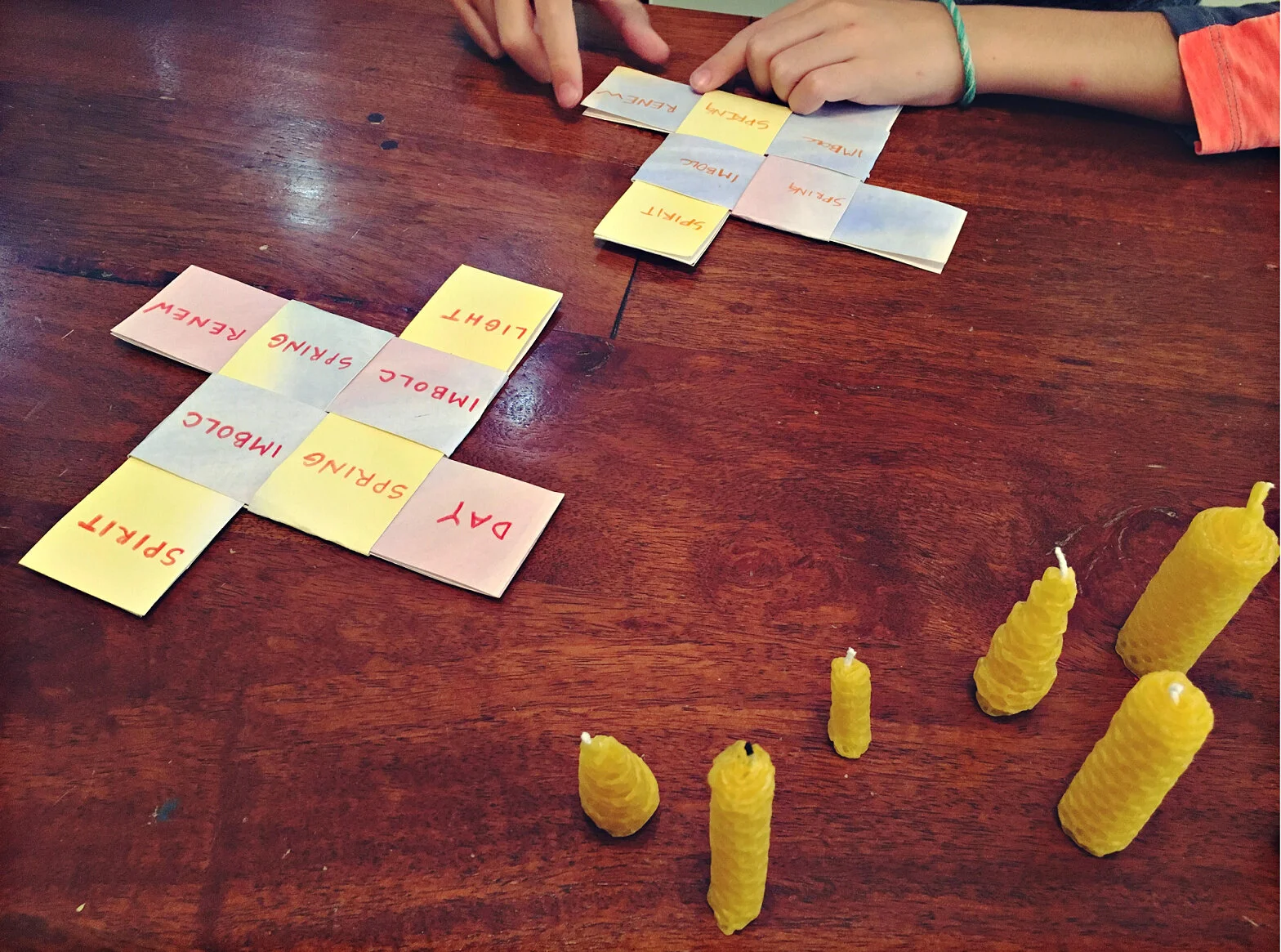
Festival life comes to life with even the smallest details.
It’s a tough year for festival life.
It seems that we are being called to reconsider how we experience it – at least for the time being.
The Waldorf School that my son attended from the ages of 3 to 7 raised relevant questions, when he was in first grade, about what new stories might emerge in the time ahead. How might the greater Waldorf community enlarge the scope of stories told to include some of the collective challenges we face? In all honesty, it seemed like a far-off concept – an interesting one to think about, to be sure, but nothing urgent.
Cut to 2020
Between a global pandemic and fires all along the west coast of the United States (this essay was written in September), I find myself returning to the following questions through clouds of smoke, ash, an evacuation alert, and ongoing quarantine orders:
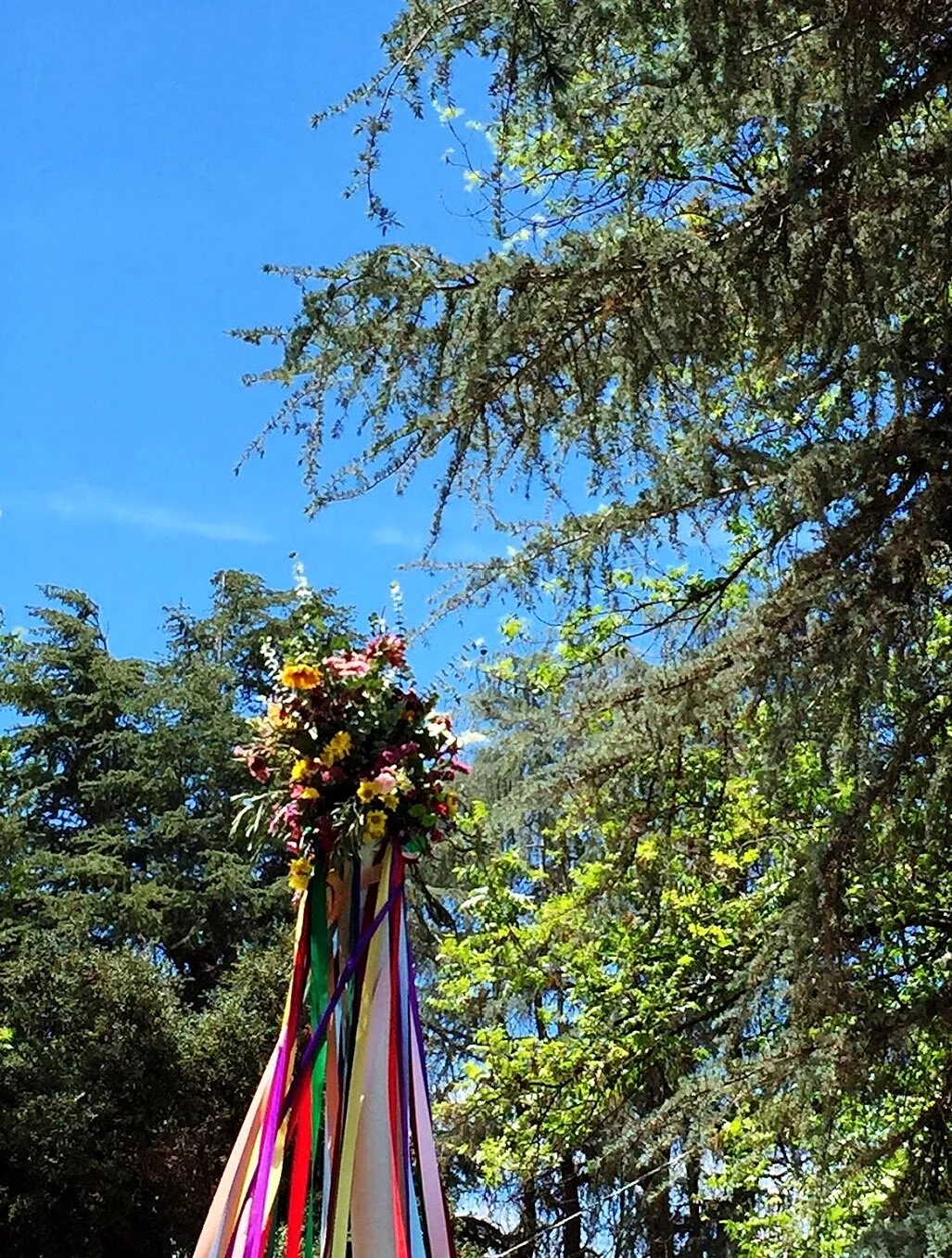
Nature and festival life coming together to celebrate May Day.
What *are* the stories of our time? What role do festivals play in the education of our children, and how do they enrich our lives?
Robyn Beaufoy and I wrote an essay on festival life that can be found here. In it, we propose that while the power of a group is important, it is the quality of presence of each participant that holds the most potential for inner transformation.
This year, we are being asked to think about these rituals in much smaller groups than we are used to. Don’t shy away from this experience; take the opportunity to see where it leads. This is the spirit of inquiry that was consistently promoted by Rudolf Steiner.
“ We can find Nature outside us only if we have first learned to know her within us. What is akin to her within us must be our guide. This marks our path of enquiry.” – Rudolf Steiner”
There are many ways to approach a festival day at home. I have been doing it for years.
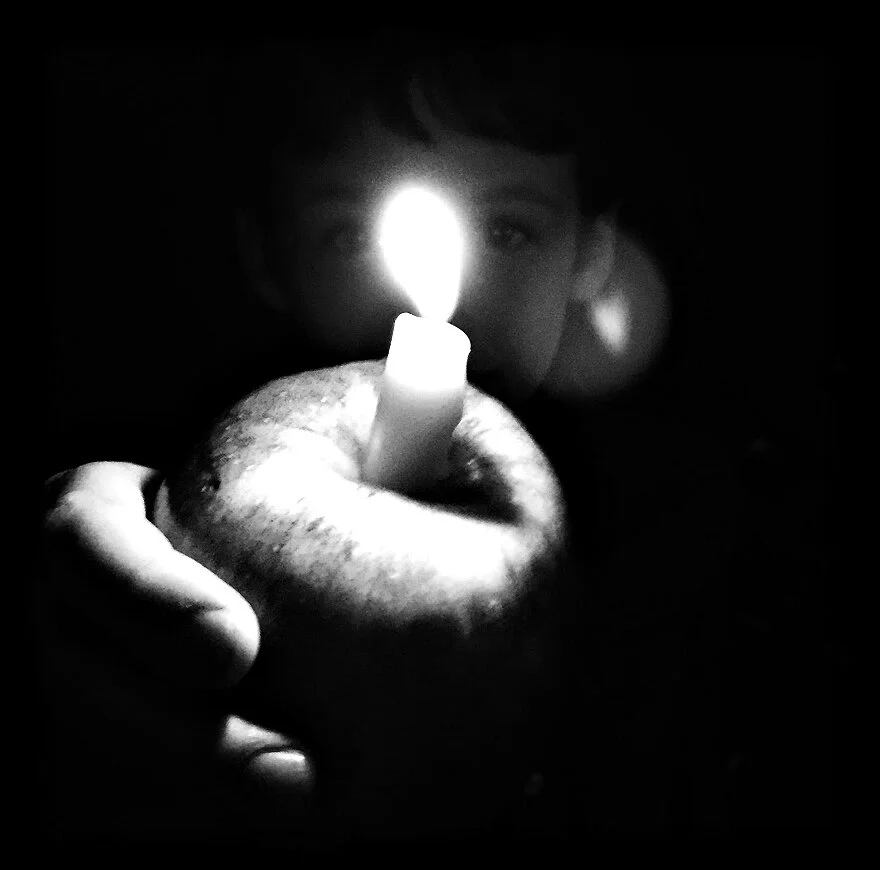
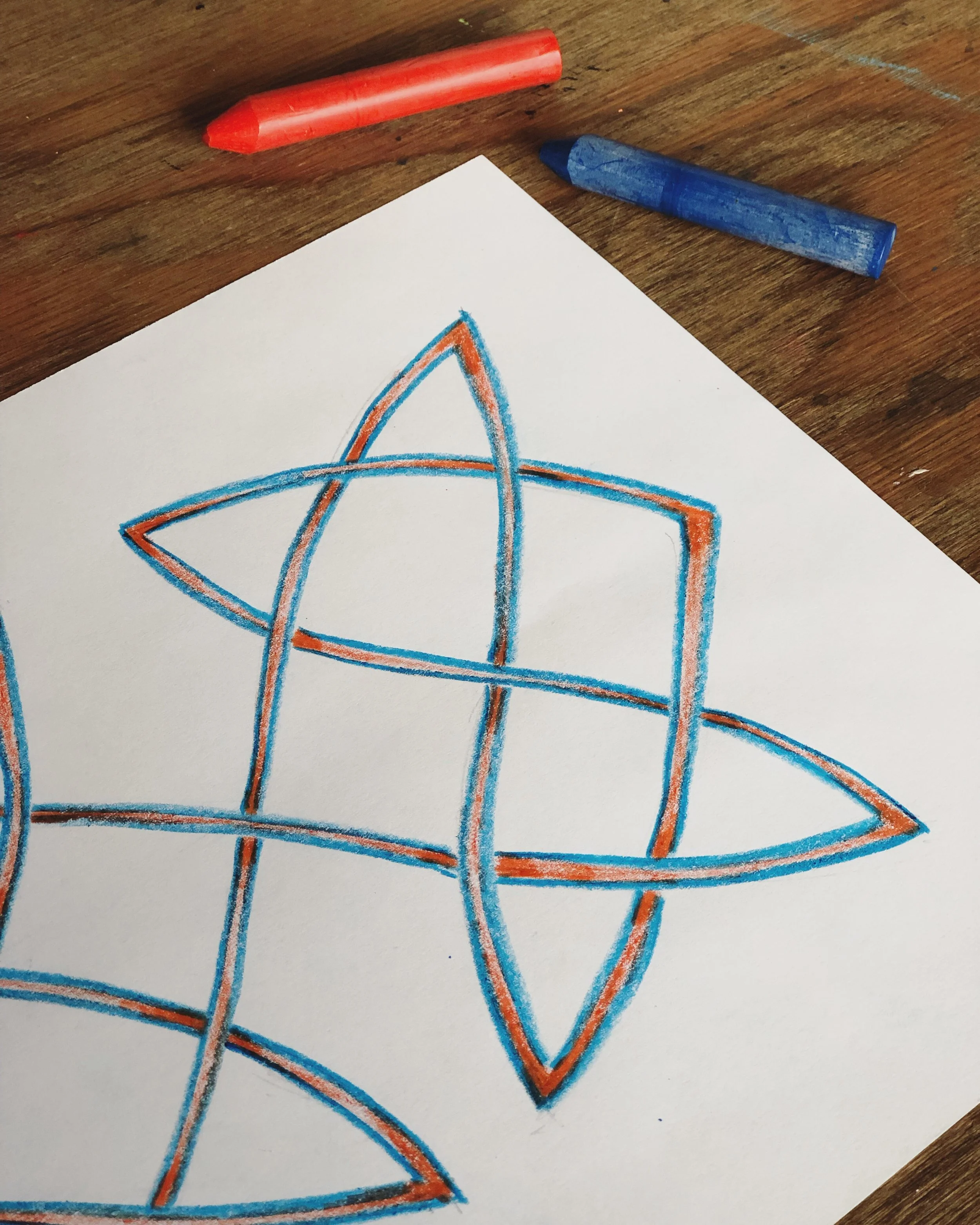
Yet the truth is whether you choose to make dragon-shaped bread for Michaelmas, set aside coats for donation on Martinmas, or create a spiral in your living room made of stuffed animals during Advent, it is the spirit with which you approach each festival that counts. My family has, among other things, formed dragons in sand at the beach, crafted a variety of lanterns over the years, rolled candles, and folded watercolored paper into Brigid’s crosses . Most recently, I have started writing my own festival stories for our son.
Maybe this is how narratives evolve: incrementally, resulting from our individual interests and shared experiences, and above all, our courage and curiosity about ourselves and the world we live in.
Waldorf students of all ages (and their parents!) are delighted by a community festival day – there is nothing like it. Be well, friends. Spring will circle back, as it always does, and we will come together again.
Until then, keep the words of Nelson Mandela close:
“Everyone can rise above their circumstances and achieve success if they are dedicated to and passionate about what they do.”
More festival resources on our site!



About the Author
Cristina Havel lives in Southern California where she and her husband have worked together for nearly 2 decades. They homeschool their son using the Waldorf pedagogy as a guide and believe in the transformative powers of art and nature.
Looking for something?
Welcome to Waldorfish! We started this adventure in 2012 out of a desire to make Waldorf training more accessible to class teachers in remote locations and to homeschooling families everywhere! Read more, click here.




WE WON! Our Weekly Art courses were voted “best interactive art program.” Learn more about the award, here.


Click here for a full list of schools we work with.
A few of our most popular blog posts:
Who are our courses for?

Starting Waldorf First Grade

4 Things to Know Before Planning Your Homeschool Year

In Praise of Balance: A Healthy Festival Life
Science in Waldorf Middle School: Starting Something New!