
Waldorfish Blog

How Should I Schedule Our Waldorf Form Drawing Lessons?
Q: How should I schedule our Waldorf form drawing lessons?
(This post is part of a series in which we answer the most common questions we receive in our inbox re: homeschooling, Waldorf curriculum/pedagogy, and whatever else comes our way! Click here to read more from the series!)
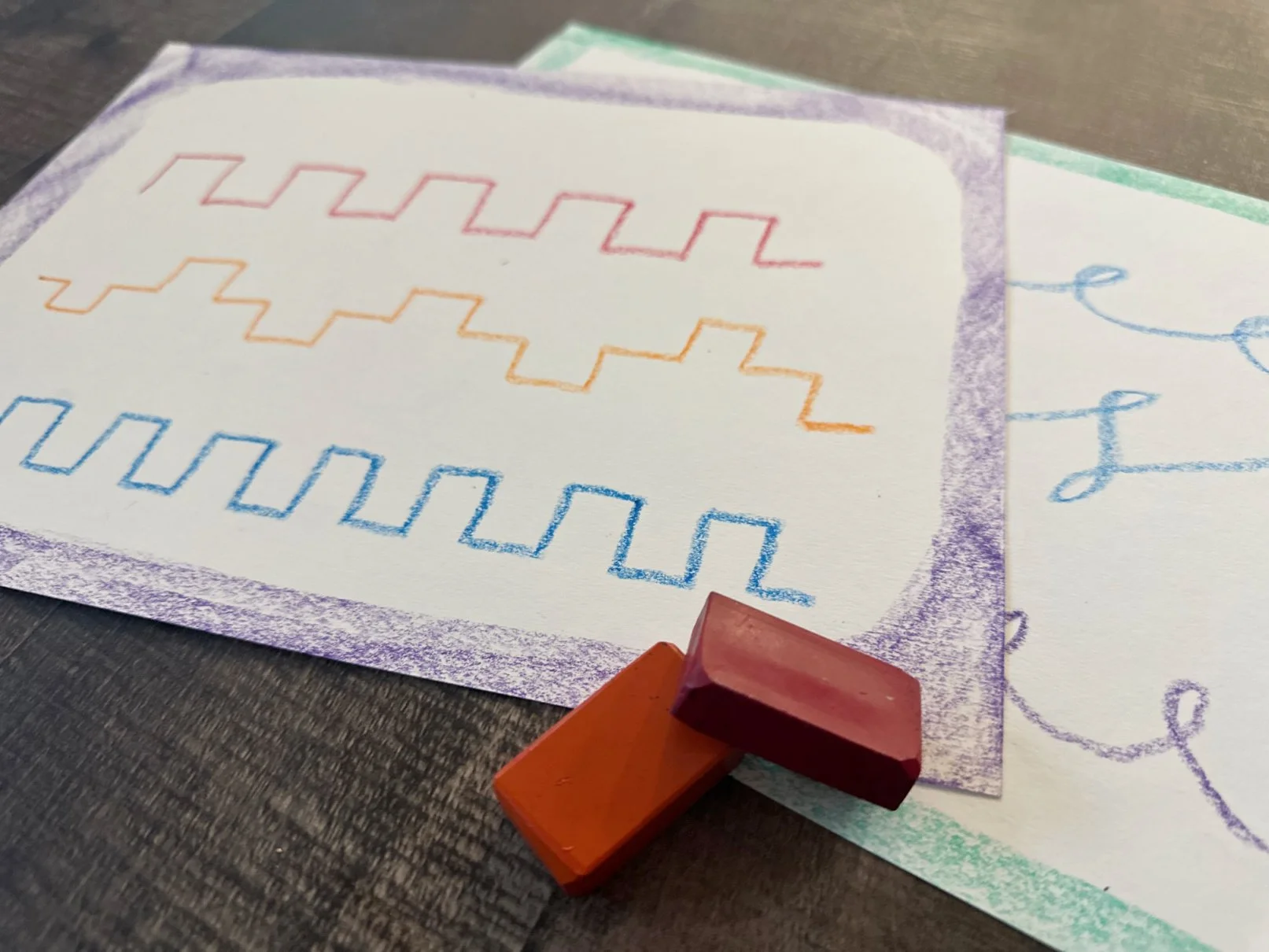
A: Form drawing is a subject found in Waldorf schools, generally first through fourth grade (to learn more, click here!) It combines drawing, movement, balance, handwriting skills, and so much more, and is a foundational aspect of Waldorf curriculum in the lower grades.
When it comes to making form drawing part of your homeschool schedule, we encourage you to take a different approach than one would take with other subjects. Instead of doing a “block” format, where one subject is studied each day for a three or four week period, form drawing is best done as a daily practice.
Why do we suggest this different approach of daily practice vs. a block schedule?
Form drawing requires practice and time, and shorter but more regular practice sessions truly allows the various forms (and the processes to create them!) an opportunity to deeply integrate into the child’s body and soul.
Now, this doesn’t mean that form drawing should take a lot of time out of your daily routine- on the contrary! Somewhere around ten to fifteen minutes of daily form drawing practice is the perfect amount of time- not so short that it feels quick and rushed, and not so long that it feels drawn out and as if time is being taken away from the other studies of the day.

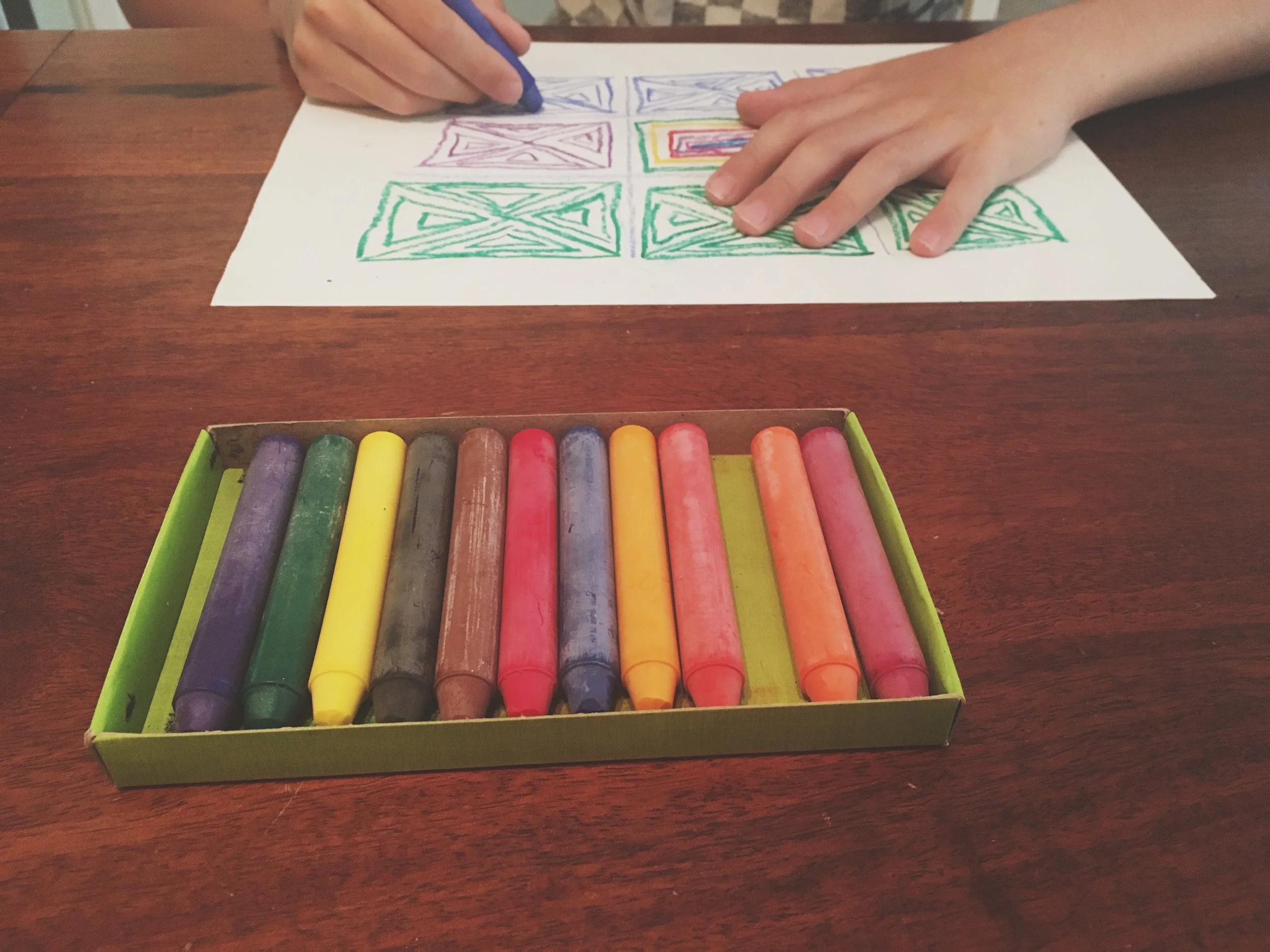
Enjoy form drawing in many settings and with different materials- adding variety only deepens the experience for the child!
We know that making something a daily practice can sound a little daunting at first, but over the years (and a lot of trial and error!), we know one thing for sure: habits don’t make themselves!
To really make something a part of your daily practice, put it on the calendar, follow through, and be intentional. Soon, the routine will become second nature, and you will truly reap the benefits that rhythm provides.
Think of form drawing practice like math practice.
If multiplication tables are practiced on a daily basis just for a few minutes, a child will master them far quicker and with deeper mastery than if they were to revisit them only every few months. It’s the same thing with form drawing!
So, no need to get overwhelmed at the prospect of teaching a full form drawing block. Strive for regular, meaningful and efficient practice throughout the school year, and we’re confident that you’ll be amazed at how quickly your child grows in their abilities.
Enjoy!

About the Authors
Robyn Beaufoy is Waldorfish’s CEO, and also a course instructor for Simple Season, Waldorf Art for Beginners, and Weekly Art Foundations. You’ll find her intuitive touches and influences throughout everything Waldorfish offers. Robyn has been in the world of education for over 25 years, with an MA in Education and a certification in Waldorf teaching - she also homeschooled both of her children for some of that time. In 2012 Robyn co-founded Waldorfish.com, creating it with the vision of making Waldorf inspired-art and pedagogy more accessible, joyful, and doable for homeschoolers all over the world.
Caitlin Amajor is Waldorfish’s course instructor for Geometry grades 5 & 6, and Botany, as well as our Administrative Assistant. From a young age, Caitlin has been immersed in Waldorf education, attending a Waldorf school from K-8. After receiving a BA in History, Caitlin gained her certification in Waldorf teaching, and spent seven years as a Waldorf class teacher in the upper grades. With a special fondness for watercolor painting and geometry, Caitlin loves bringing Waldorf education to her students all over the world, and seeing their own individuality and style bloom from the curriculum!


Waldorf Geometry: How can I incorporate art into a traditional geometry curriculum?
Q: How can an artistic Waldorf geometry curriculum be a supplement to a more traditional geometry curriculum?
(This post is part of a series in which we answer the most common questions we receive in our inbox re: homeschooling, Waldorf curriculum/pedagogy, and whatever else comes our way! Click here to read parts one and two!)
A: Think back on your experience with geometry in middle school or high school; what do you remember? Most likely, your experience was full of a lot of calculations, proofs, and formulas. There probably wasn’t a lot of color or drawing involved, and we’re guessing that overall, it probably just felt like a lot of math.
Sound familiar?

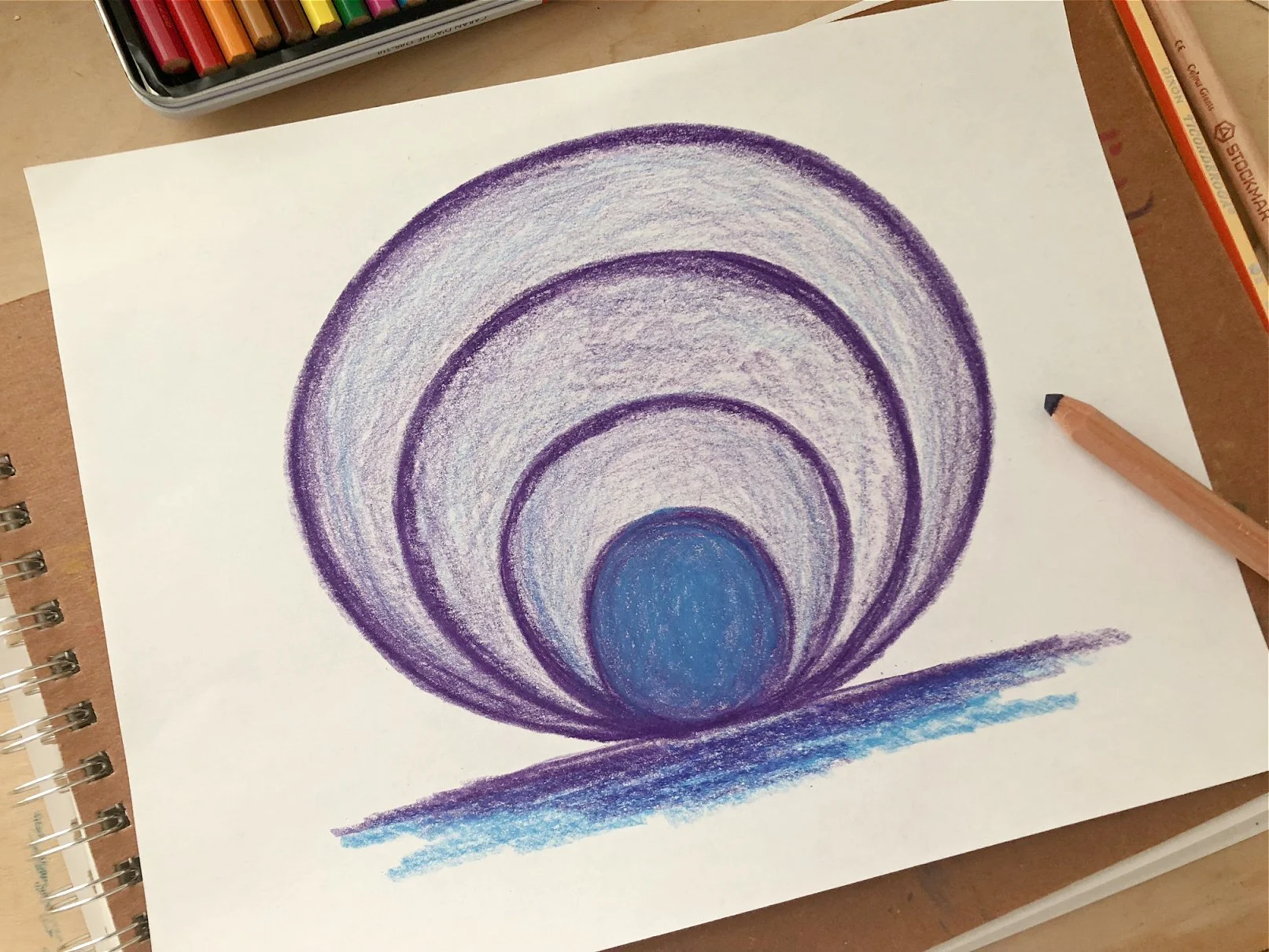
This “right angle spiral” form can be found in our sixth grade geometry course- the shading possibilities are endless!
Don’t get us wrong, geometry does and (and must!) include all of the aspects we noted above; geometry is an incredibly important cornerstone of the study of mathematics. But through Waldorf education’s approach to geometry, the curriculum transforms into a study of mathematics in an artistic, well-rounded way- it’s where art meets math!
You may have heard that in Waldorf education, the educator’s task is to “enliven” the curriculum, so that the growing child can connect with the material deeply and in a multifaceted way.
For geometry, this can be achieved by weaving in beauty, color, and an appreciation of geometric law wherever possible.
(Don’t worry, it’s much less complicated than it may seem!)
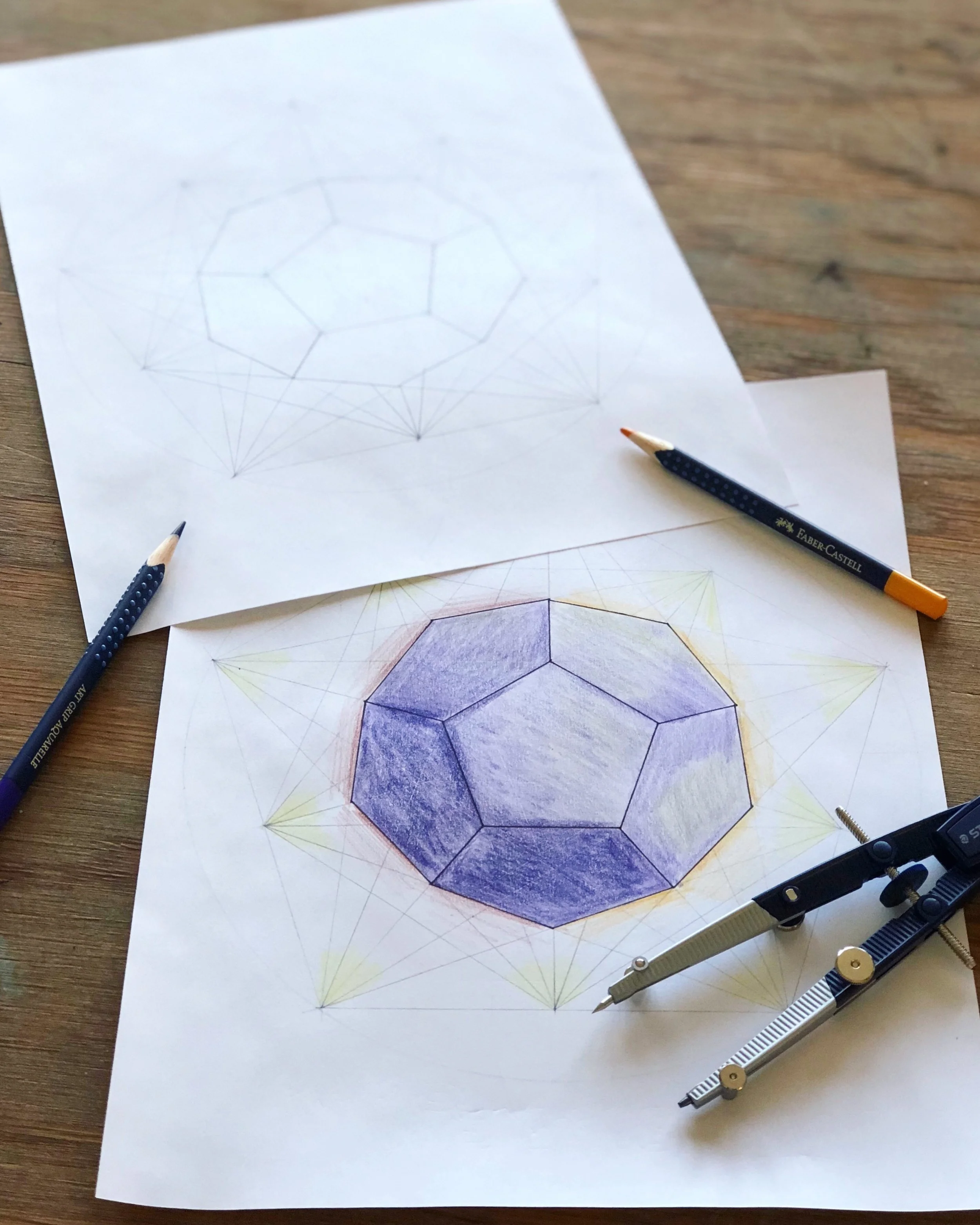
For example, in eighth grade, students are introduced to 3D forms; polyhedrons called “Platonic Solids” (to learn more, click here!). Not only will the students learn to calculate the volume of these forms, but they will also take time to really understand them through an artistic lens.
A common activity with these 3D shapes is to draw them in 2D form on paper, almost like a blueprint of what it will become. From there, the students will construct these shapes carefully, using beautiful paper, often painted or beautifully shaded to celebrate each platonic solid.
This activity asks the student to build their sense of spatial awareness, deepen their understanding of geometric law, improve upon their precision and accuracy, develop their ability to think abstractly, and much more.
Walk into a Waldorf eighth grade classroom, and you are likely to see the platonic solids displayed proudly.
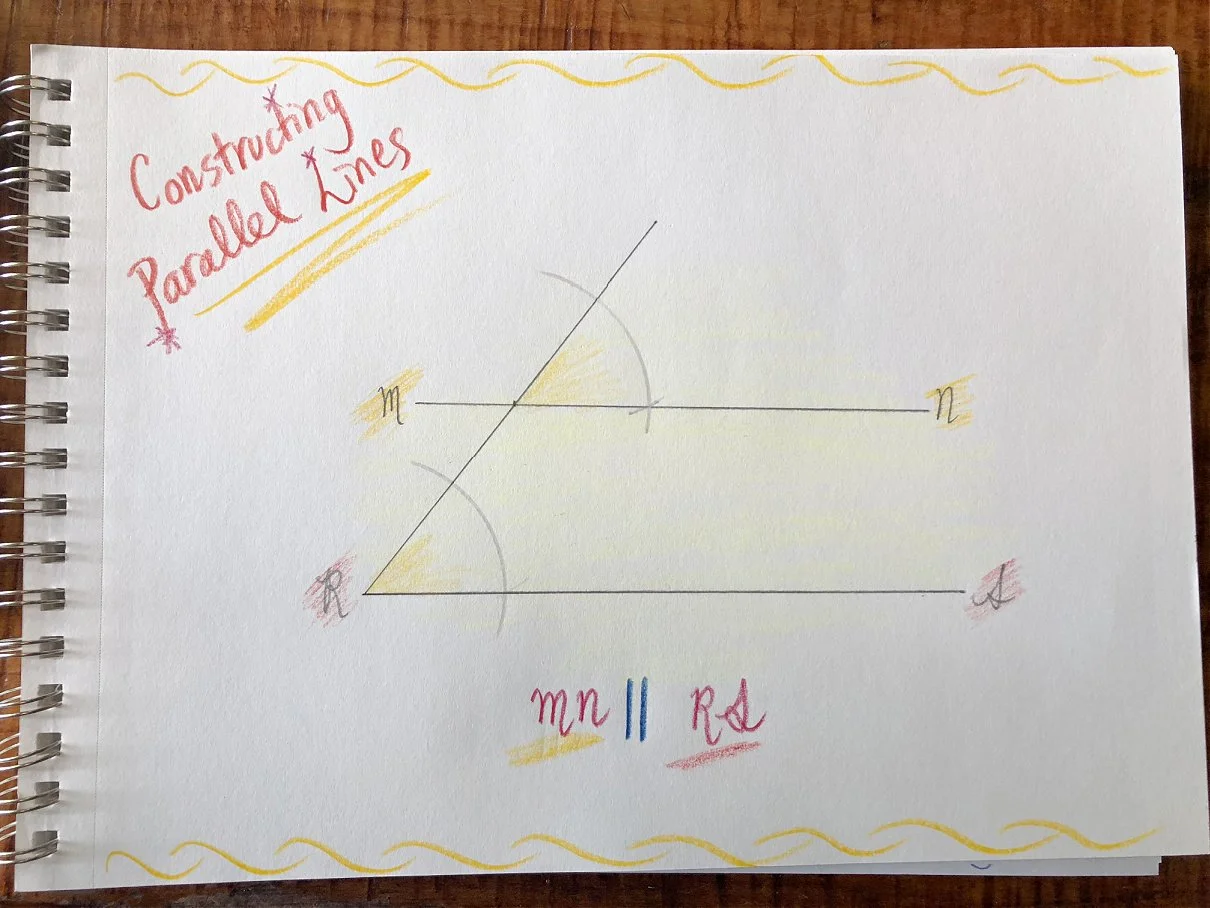
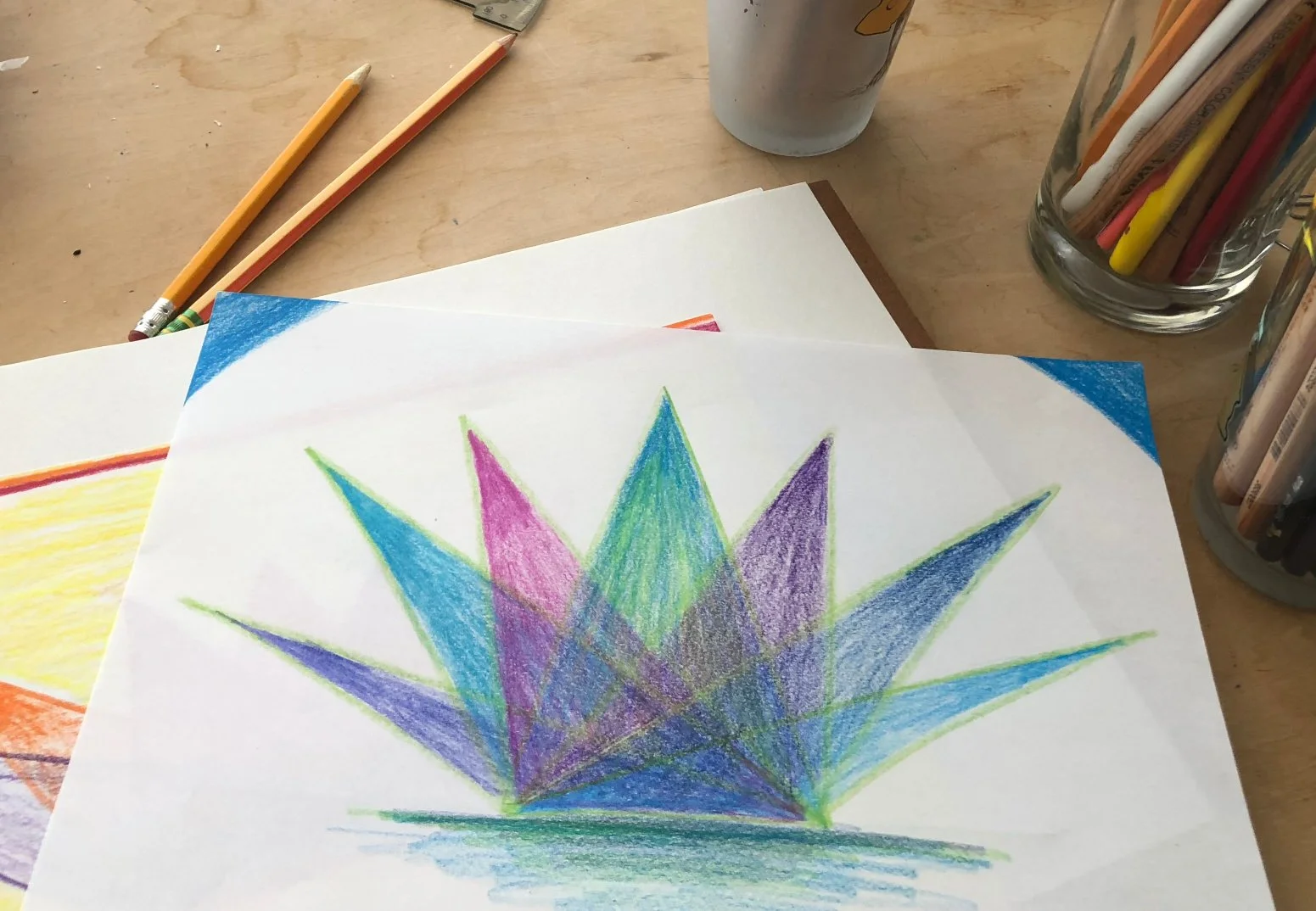
Even a simple construction of parallel lines can include artistic elements!
In sixth grade, a large part of the Waldorf geometry curriculum is constructing polygons and learning vocabulary and definitions for each. How would one define a square as compared to a rectangle? Or, a trapezoid to a quadrilateral?
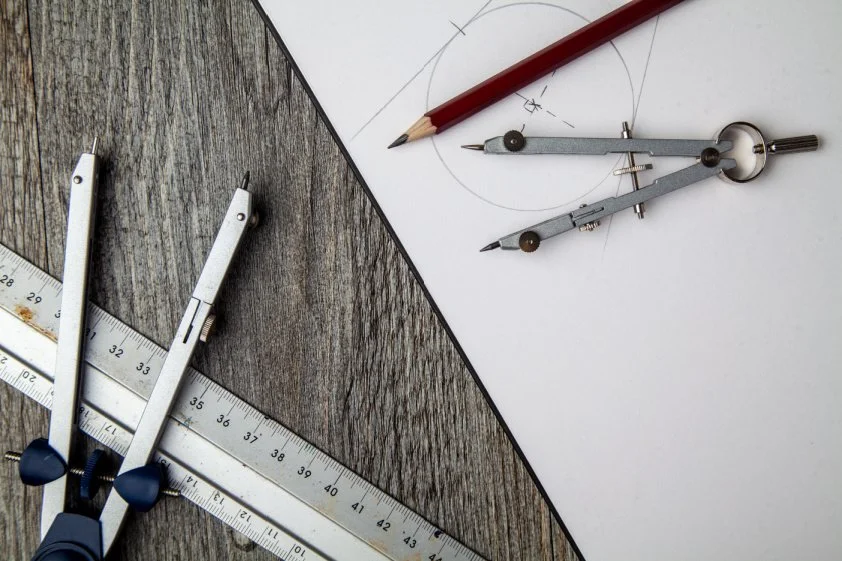
Each is studied carefully, and the student learns to construct these shapes using the compass and straightedge in the most accurate way possible.
Through the construction process, the student not only learns how to use the tools, but they also connect with the vocabulary in a very real, physical way. They are building the shapes themselves, feeling the symmetry(or lack thereof) and striving to improve upon their skills.
Again, an artistic approach to learning geometry vocabulary builds connection to the subject itself.
It is not something one just reads about, but it is something one does.
Geometry is a rich subject, and through Waldorf education, the subject retains its sense of wonder, connection to nature, and celebration of beauty while building important skills in math calculation and critical thinking.

About the Authors
Robyn Beaufoy is Waldorfish’s CEO, and a course instructor. You’ll find her intuitive touches and influences throughout everything Waldorfish offers! Robyn has been in the world of education for over 25 years, with an MA in Education and a certification in Waldorf teaching - she also homeschooled both of her children. In 2012 Robyn co-founded Waldorfish.com, creating it with the vision of making Waldorf inspired-art and pedagogy more accessible, joyful, and doable to homeschoolers all over the world.
Caitlin Amajor is Waldorfish’s course instructor for Geometry grades 5 & 6, and Botany, as well as our Administrative Assistant. From a young age, Caitlin has been immersed in Waldorf education, attending a Waldorf school from K-8. After receiving a BA in History, Caitlin gained her certification in Waldorf teaching, and spent seven years as a Waldorf class teacher in the upper grades. With a special fondness for watercolor painting and geometry, Caitlin loves bringing Waldorf education to her students all over the world, and seeing their own individuality and style bloom from the curriculum!
More for you to enjoy!


Why are verses spoken at the beginning of Waldorf painting lessons?
Q: Why are verses spoken at the beginning of Waldorf painting lessons?
(This post is part of a series in which we answer the most common questions we receive in our inbox re: homeschooling, Waldorf curriculum/pedagogy, and whatever else comes our way! Click here to read part one!)
A: Verses are used as a tool in painting class for a few different reasons.
In general, any lesson benefits from structure, and painting class is no different. In Waldorf education, we strive for classes to have a feeling of a beginning, middle, and conclusion.
Beginning with a verse sets a mood, and is a clear indication to the child or class that it is time to focus, and set their intention on the task at hand.
Speaking a verse together also provides an opportunity for the educator to observe where the children or child are at that moment. Are they fidgety? Talkative? Attentive? If the mood is set, the lesson can begin, or the educator can utilize the verse as a tool for classroom management.

This beautiful piece can be found in our third grade painting course- where stories and color come alive through the experience of painting!
For instance, if the children are not quite centered, the verse can be spoken again to bring the group to the space of readiness. Or, a verse can be used to create a space of quiet and stillness through saying it in a whisper, mouthing the words with no sound at all, or making small finger gestures to represent the words in silence.
Through small, creative adjustments, a verse is a wonderful way to bring the children into the meditative space one hopes for in painting class.
Lastly, it is always worth bringing beautiful language into a child’s everyday rhythm. Verses do not have to be long, wordy, or difficult to memorize- even a few lines of meaningful text will go a long way in setting the peaceful, reverent mood one strives for in Waldorf watercolor painting.

About the Authors
Robyn Beaufoy is Waldorfish’s CEO, and also a course instructor for Simple Season (coming soon!), Waldorf Art for Beginners, and Weekly Art Foundations. You’ll find her intuitive touches and influences throughout everything Waldorfish offers! Robyn has been in the world of education for over 25 years, with an MA in Education and a certification in Waldorf teaching - she also homeschooled both of her children for some of that time. In 2012 Robyn co-founded Waldorfish.com, creating it with the vision of making Waldorf inspired-art and pedagogy more accessible, joyful, and doable for homeschoolers all over the world.
Caitlin Amajor is Waldorfish’s course instructor for Geometry grades 5 & 6, and Botany, as well as our Administrative Assistant. From a young age, Caitlin has been immersed in Waldorf education, attending a Waldorf school from K-8. After receiving a BA in History, Caitlin gained her certification in Waldorf teaching, and spent seven years as a Waldorf class teacher in the upper grades. With a special fondness for watercolor painting and geometry, Caitlin loves bringing Waldorf education to her students all over the world, and seeing their own individuality and style bloom from the curriculum!


Waldorf Science: What is a phenomenological approach to teaching?
Q: What is a “phenomenological approach” when teaching science in Waldorf education, and what are its benefits?
(This post is part of a series in which we answer the most common questions we receive in our inbox re: homeschooling, Waldorf curriculum/pedagogy, and whatever else comes our way!)
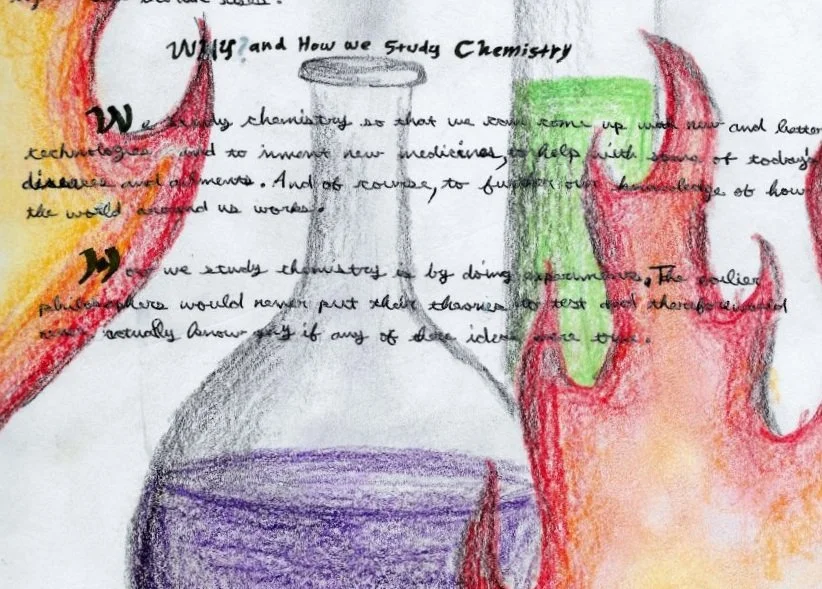
A: Waldorf science curriculum is taught using a specific strategy called the phenomenological approach. Don’t worry, we’ll explain! It’s actually much more approachable and doable than it may first appear.
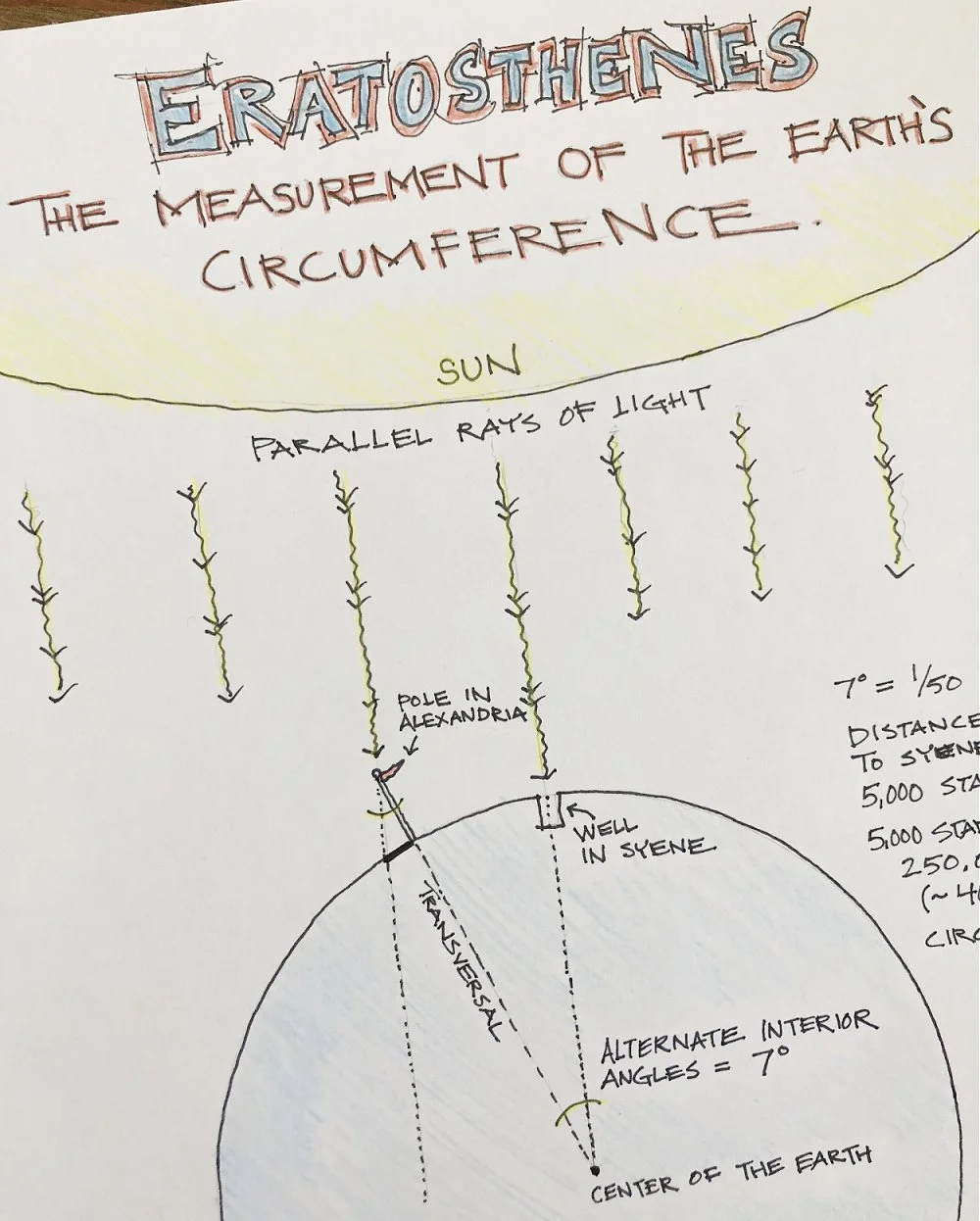
A phenomenological approach emphasizes the direct observation and exploration of the natural world through one’s senses.
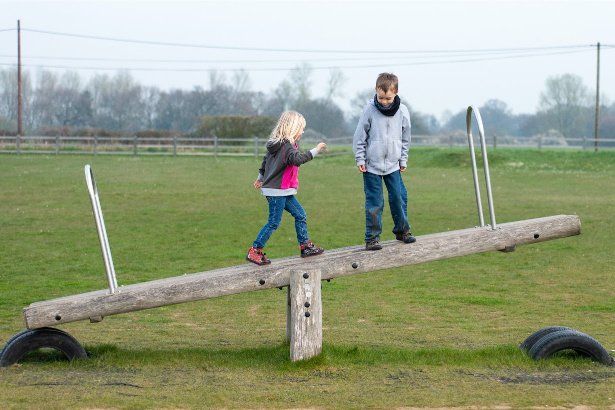
In Waldorf education, the middle school science curriculum includes sensory experiences-like movement!
Students learn best when they are actively engaged in the learning process, and when they are able to connect their experiences and observations to the laws of science.
By fostering a sense of wonder and curiosity about the world around them, this approach aims to inspire students to become lifelong learners and form deep connections with the natural world.
(To learn more about teaching science in Waldorf middle school grades, click here!)
So, what does “doing” really look like when applying the phenomenological method to science curriculum?
Here are some concrete examples…
Sixth graders use wax, a heat source, and various types of metals to learn about conductivity.
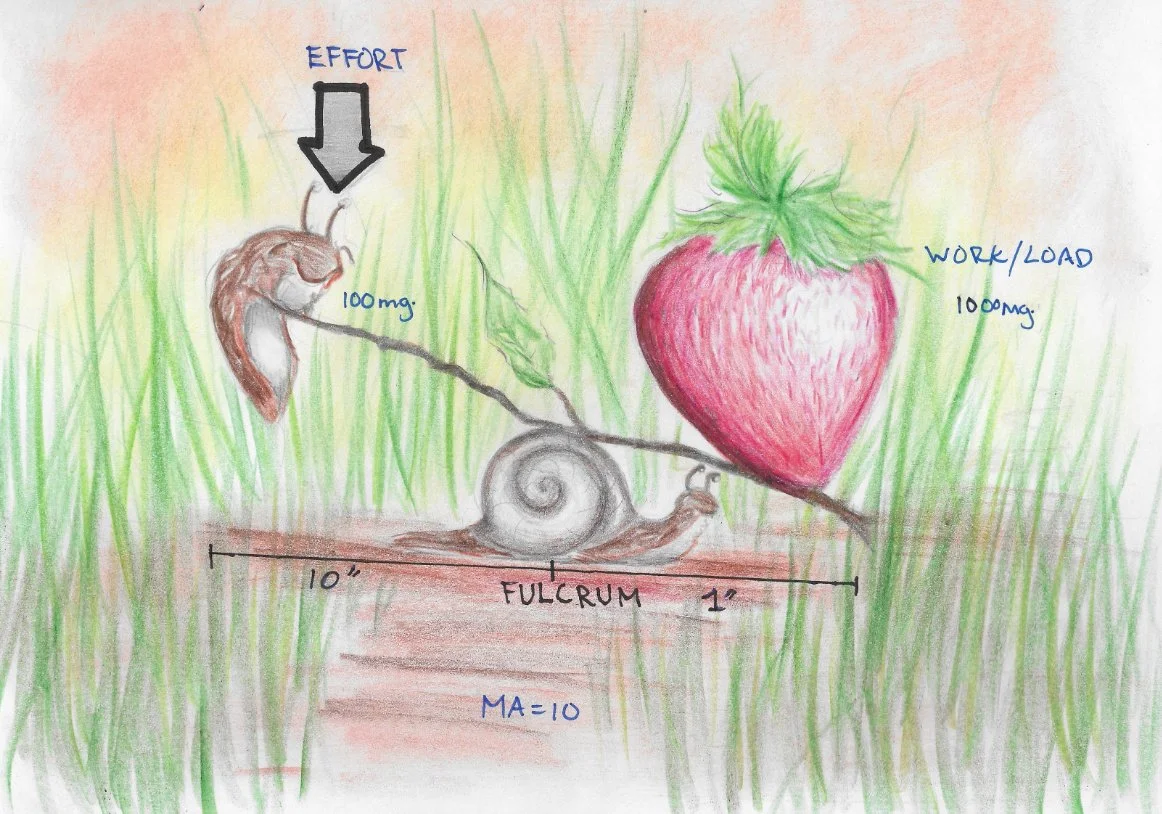
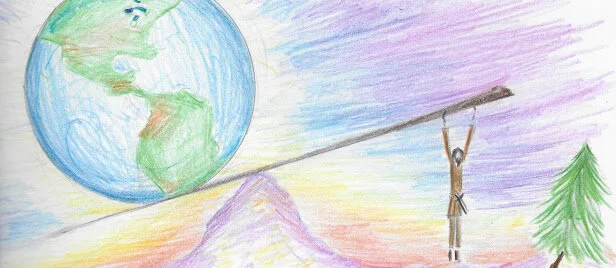
Seventh graders are tasked with lifting a heavy object, such as a tree stump, and explore how a lever and fulcrum can make the job the most efficient.
Eighth graders create lip balm and lotions to study the different properties of fats and oils.
Do. Observe. Conclude.
When we apply a phenomenological approach to teaching, students connect their experiences and observations to the laws of science.
Through hands-on activities and experiments, students develop a sense of wonder and curiosity about the world, which in turn inspires life-long curiosity and deep connections with the natural world.
Plus bonus, it’s a lot of fun for students AND educators alike!

About the Authors
Robyn Beaufoy is Waldorfish’s CEO, and a course instructor in three of our courses - Simple Season, Waldorf Art for Beginners and Weekly Art Foundations. You’ll find her intuitive touches and influences throughout everything Waldorfish offers! Robyn has been in the world of education for over 25 years, with an MA in Education and a certification in Waldorf teaching - she also homeschooled both of her children. In 2012 Robyn co-founded Waldorfish.com, creating it with the vision of making Waldorf inspired-art and pedagogy more accessible, joyful, and doable to homeschoolers all over the world.
Caitlin Amajor is Waldorfish’s course instructor for Geometry grades 5 & 6, and Botany, as well as our Administrative Assistant. From a young age, Caitlin has been immersed in Waldorf education, attending a Waldorf school from K-8. After receiving a BA in History, Caitlin gained her certification in Waldorf teaching, and spent seven years as a Waldorf class teacher in the upper grades. With a special fondness for watercolor painting and geometry, Caitlin loves bringing Waldorf education to her students all over the world, and seeing their own individuality and style bloom from the curriculum!
More to explore!



Looking for something?

Welcome to Waldorfish! We started this adventure in 2012 out of a desire to make Waldorf training more accessible to class teachers in remote locations and to homeschooling families everywhere! Read more, click here.




WE WON! Our Weekly Art courses were voted “best interactive art program.” Learn more about the award, here.


Click here for a full list of schools we work with.
A few of our most popular blog posts:

Who are our courses for?

Starting Waldorf First Grade

4 Things to Know Before Planning Your Homeschool Year

In Praise of Balance: A Healthy Festival Life
Science in Waldorf Middle School: Starting Something New!