
Waldorfish Blog

Waldorf Sixth Grade Curriculum: Exploring the Natural World through Physics
In sixth grade, it’s time for a whole new way of exploring the natural world: the study of Physics!
As the child is leaving the comforting world of early childhood and entering into a new realm, it’s the perfect time to re-enliven and re-invigorate their sense of awe and love for the natural world, all while discovering scientific phenomena and law.
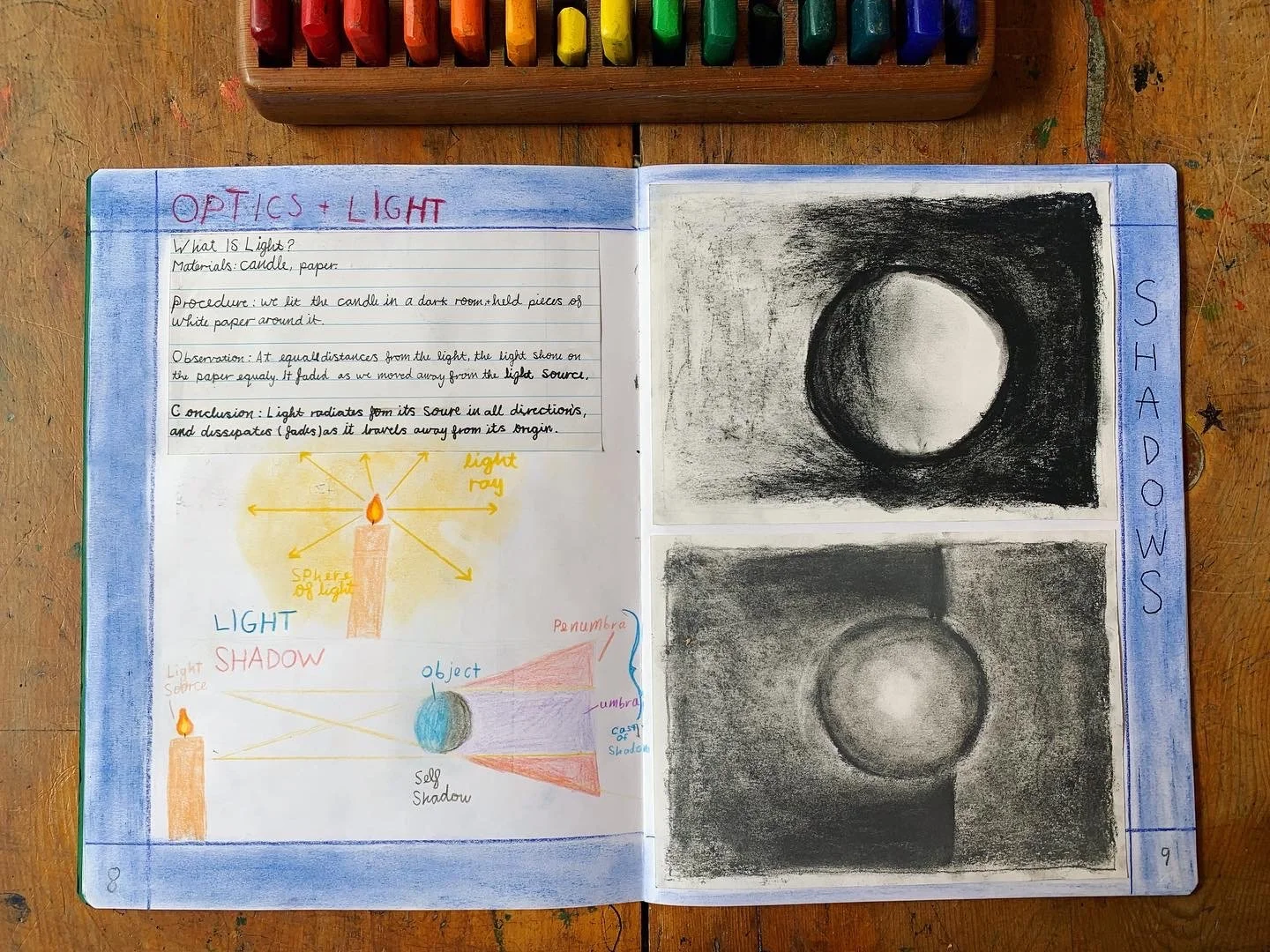
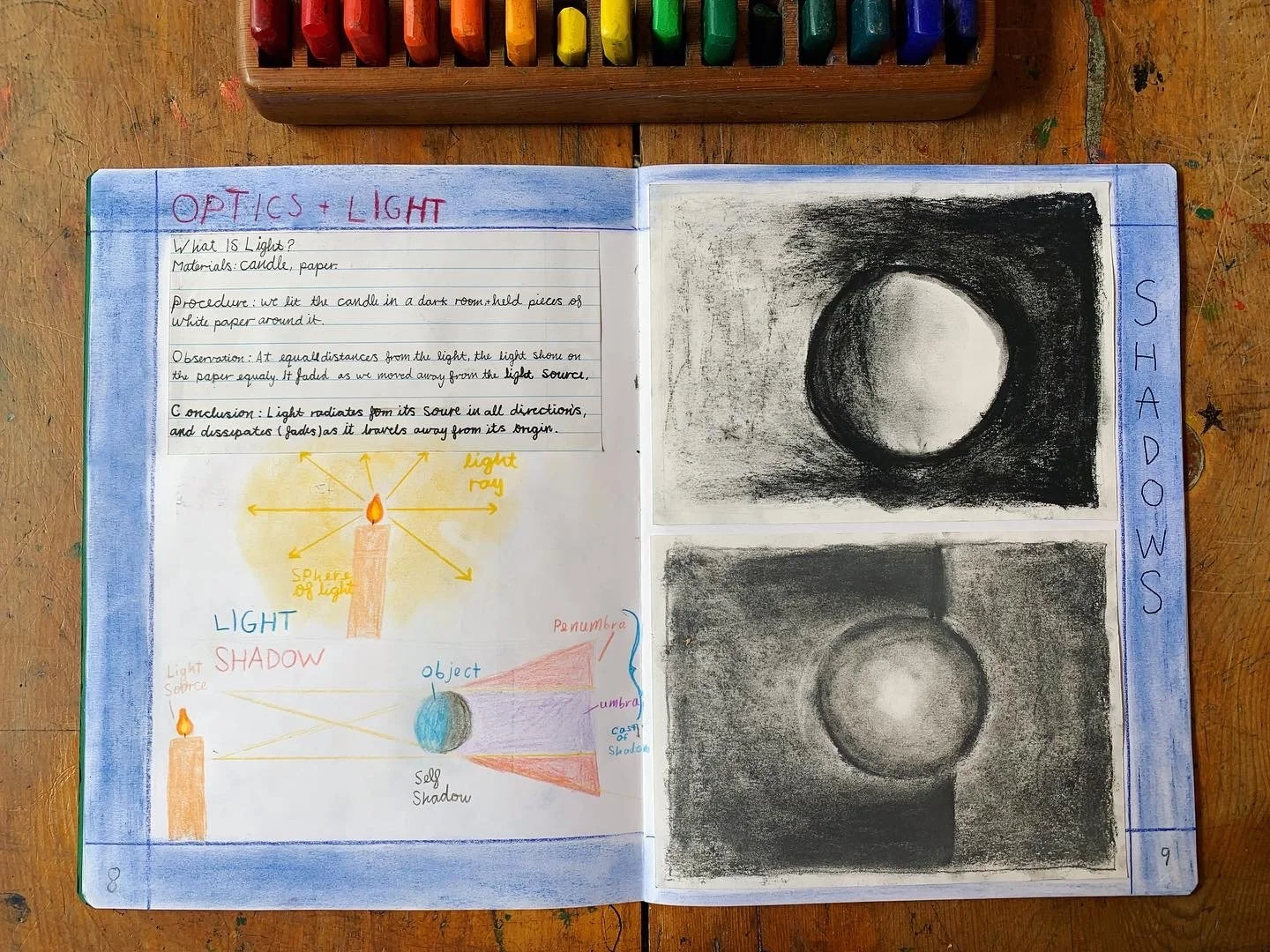
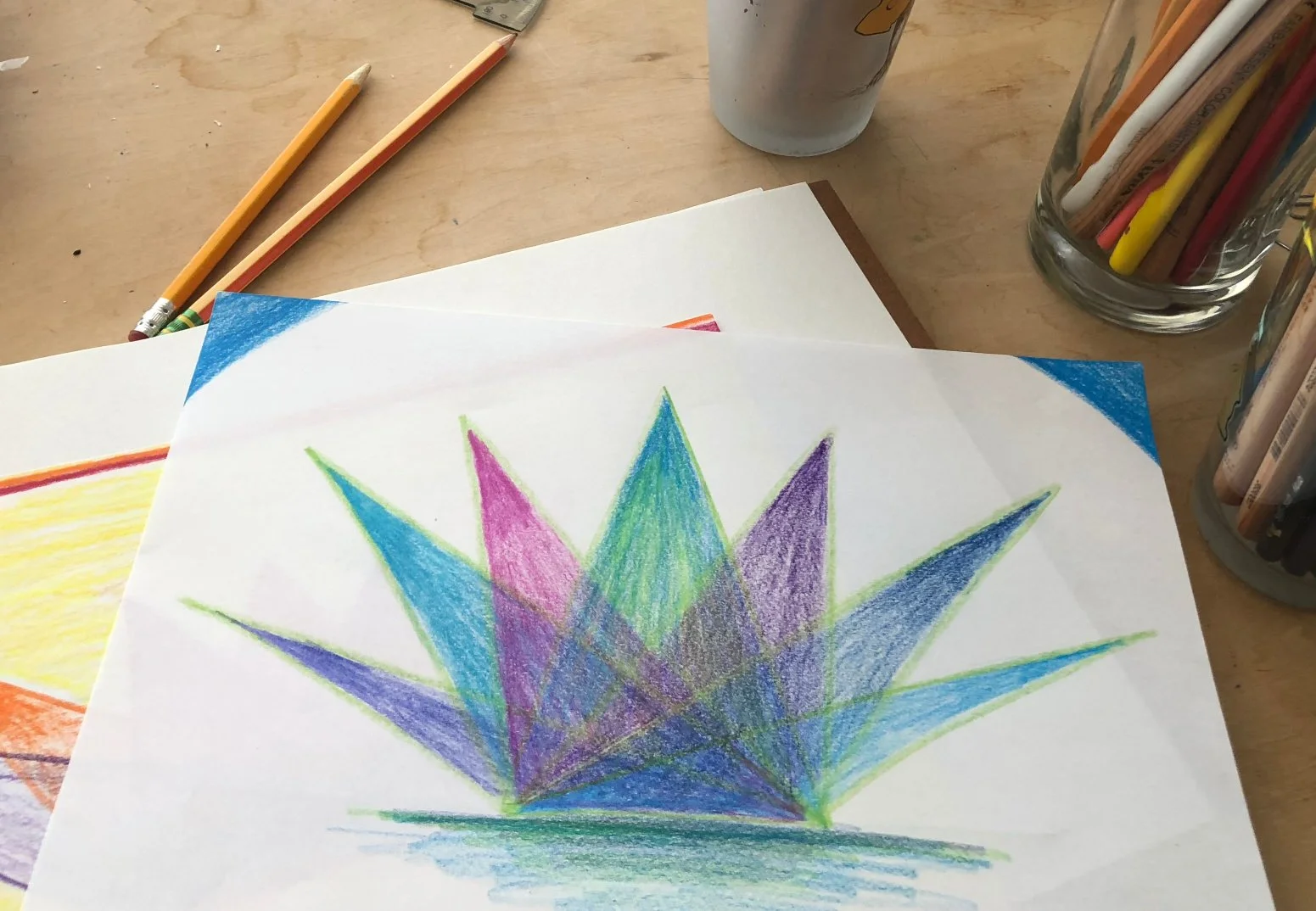
An example main lesson book page illustrating experiments around Optics, from our sixth grade Physics course!
While a Waldorf student has been exploring nature throughout the grades, middle school marks a shift in the curriculum where scientific study becomes far more structured and a key area of focus. These blocks call upon the educator to teach in a new way using phenomenology (Huh? Click here for more) and for the student to approach their learning from a different perspective.
So, what’s sixth grade physics all about? The block starts with the basics, and calls upon the student to use their observational and practical skills to discover the laws of sound, heat, light, magnetism, and electricity.
The curriculum typically begins with the study of acoustics, where students explore the nature of sound. They learn how sound is produced by vibrations and how it travels through different materials. Through activities involving musical instruments and simple sound experiments, students investigate phenomena like pitch, echo, and resonance.
The curriculum also introduces students to the principles of heat and thermodynamics. They examine how heat is generated, how it moves, and how it affects materials—causing them to expand, contract, or change state. This is a particularly fun aspect of the block; seeing an educator use a blowtorch is always exciting (when done safely, of course!)

The study of magnetism in action!
When studying optics (also referred to as the study of light) students observe the characteristics of light and how it behaves in our world. With the use of a completely blacked out room, students observe how light is invisible, how it can create a camera obscura, and explore the vast world of color and shadow.
Magnetism is explored through the use of simple magnets and iron filings, allowing students to observe magnetic attraction and repulsion, and the concept of magnetic fields. They experiment with magnetic materials and learn about the basic properties of magnets, including polarity.
Finally, students are given an introductory look at static electricity using balloons, various kinds of fabric and textiles, and other materials. Though explored simply, this portion is setting the stage for 8th grade physics when students will build motors, explore circuits, and more!
This 6th grade Physics block sets the foundation for the future as the curriculum deepens in complexity, where physics will be visited again in 7th and 8th grade.
It’s an exciting shift where the educator and student enter a new realm of observation, investigation and exploration!
More on the blog:






About the Authors
Robyn Beaufoy is Waldorfish’s CEO, and also a course instructor for Simple Season, Waldorf Art for Beginners, and Weekly Art Foundations. You’ll find her intuitive touches and influences throughout everything Waldorfish offers. Robyn has been in the world of education for over 25 years, with an MA in Education and a certification in Waldorf teaching - she also homeschooled both of her children for some of that time. In 2012 Robyn co-founded Waldorfish.com, creating it with the vision of making Waldorf inspired-art and pedagogy more accessible, joyful, and doable for homeschoolers all over the world.
Caitlin Amajor is Waldorfish’s course instructor for Geometry grades 5 & 6, and Botany, as well as our Administrative Assistant. From a young age, Caitlin has been immersed in Waldorf education, attending a Waldorf school from K-8. After receiving a BA in History, Caitlin gained her certification in Waldorf teaching, and spent seven years as a Waldorf class teacher in the upper grades. With a special fondness for watercolor painting and geometry, Caitlin loves bringing Waldorf education to her students all over the world, and seeing their own individuality and style bloom from the curriculum!

Waldorf Botany Curriculum: Shifting Focus to the Higher Plants
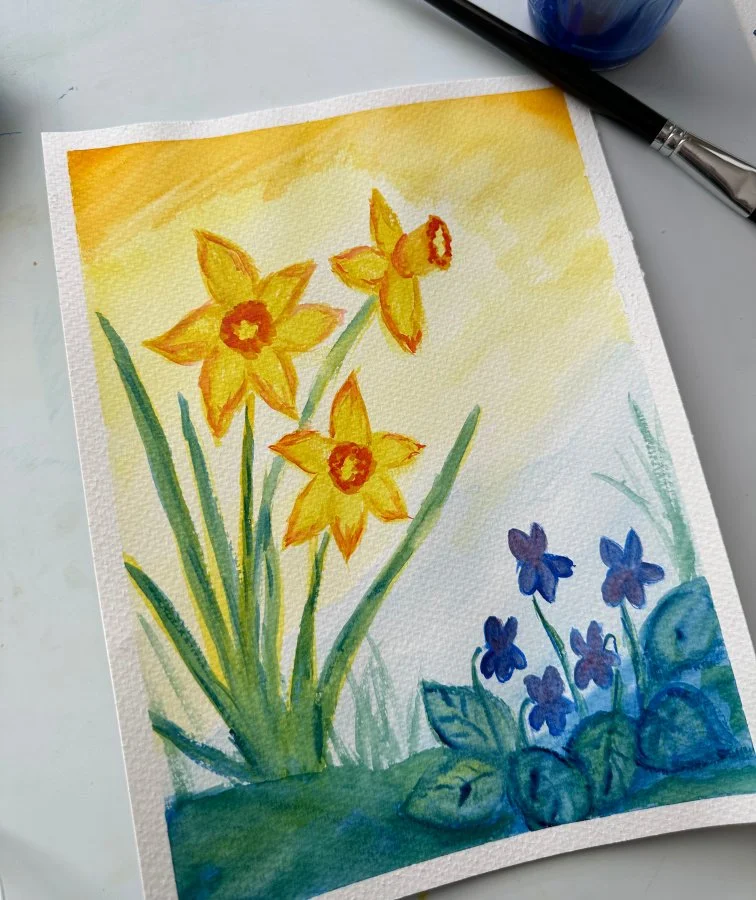
A watercolor painting of the “higher plants” from our Botany course!
In Waldorf fifth grade botany, the second block focuses on the “higher plants,” or those that have true leaves, roots, stems, and flowers!
(To learn more about the first block and its focus, click here).
The second block, often done in the spring, is the perfect time to study these more complex plants with new methods.
Why?
The curriculum meets the developing fifth grader right where they are, which is on the cusp of entering middle school!
The growing fifth grader is ready to use their observational skills in more complex and challenging ways, and the educator can begin to introduce concepts using phenomenological techniques, preparing them for middle school science curriculum.
The shift in the Botany curriculum is notable; the fifth grader is no longer living so much in the world of imagination and story, but instead, is eager to explore and learn more about the world around them.
In Botany, the second block closely follows the growth of a plant from the very beginning. As the fifth grader is growing and changing rapidly, it’s the perfect time to connect with nature and see how it blossoms as well.

An example main lesson book page from our Botany course.
Commonly, students study seeds, germination, photosynthesis, flowering, and seed dispersal, all the while incorporating opportunities to connect to plant life thriving in their own region. As well, students may explore trees, categorize plants according to their characteristics (monocots and dicots), and so much more- the possibilities are endless!
This block provides an opportunity for the educator to bring the students directly into the learning process, and begin to nurture observational skills and the ability to come to educated conclusions.
It’s a time to do, feel, see, smell, taste, and use all of the senses to connect with the plant world!
From sprouting seeds, to dissecting flowers, the curriculum provides all kinds of opportunities to enliven the students’ connection to the vast world of Botany.
Wondering where to begin?
Most simply, and perhaps more meaningfully, start outside! Gain inspiration, connect with nature, and explore the beauty of the higher plants out in nature; it really is the best place to begin.
Our Botany course provides a full year’s worth of curriculum for the school year, including two full blocks, hands-on demonstrations, and so much more.
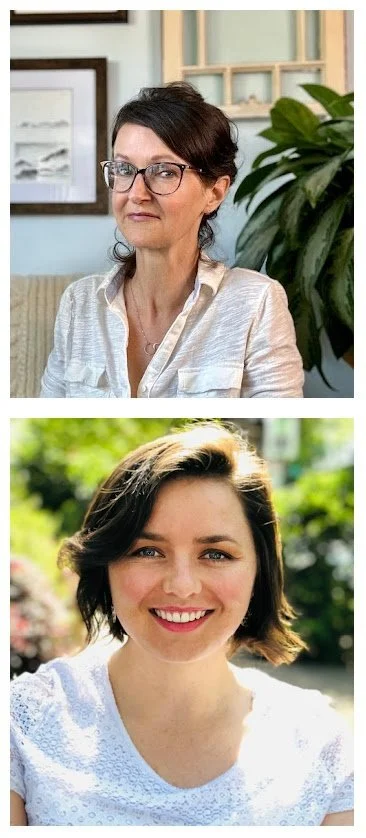
About the Authors
Robyn Beaufoy is Waldorfish’s CEO, and also a course instructor for Simple Season, Waldorf Art for Beginners, and Weekly Art Foundations. You’ll find her intuitive touches and influences throughout everything Waldorfish offers. Robyn has been in the world of education for over 25 years, with an MA in Education and a certification in Waldorf teaching - she also homeschooled both of her children for some of that time. In 2012 Robyn co-founded Waldorfish.com, creating it with the vision of making Waldorf inspired-art and pedagogy more accessible, joyful, and doable for homeschoolers all over the world.
Caitlin Amajor is Waldorfish’s course instructor for Geometry grades 5 & 6, and Botany, as well as our Administrative Assistant. From a young age, Caitlin has been immersed in Waldorf education, attending a Waldorf school from K-8. After receiving a BA in History, Caitlin gained her certification in Waldorf teaching, and spent seven years as a Waldorf class teacher in the upper grades. With a special fondness for watercolor painting and geometry, Caitlin loves bringing Waldorf education to her students all over the world, and seeing their own individuality and style bloom from the curriculum!

5 Tips for Studying the Lower Plants in Waldorf Fifth Grade Botany
Why begin with the “lower plants” in Waldorf Botany curriculum? In fifth grade Botany, we often begin with a full block that explores the “lower plants” or “simple plants”- algae, fungi, lichen, moss, and ferns.
Curious to learn more about why botany is usually split into two blocks? Click here!

Hands-on experience is the best way to connect with the lower plant world!
While we know that some of these lower plants are not all truly plants, each of these organisms have a magical, mystical sense to them in their structures, purpose, and appearance. Exploring them opens up the world of botany for the student in a gentle way; perfect for the young fifth grader who is just beginning their developmental journey towards puberty and middle school.
How can you bring hands-on experiences of the lower plants into your botany curriculum?
We’ve got five ideas to get you started!
Algae
Plan a time to be out in nature, and see if you kind find algae in a nearby river, lake, or beach. Note its color, movement, texture, and location. Not near a body of water? Head to your local library and ask for books and resources on algae, preferably one with all kinds of images!
Lichen
Head outside and try to find lichen. Look around on surfaces: fence posts, rocks, concrete, stepping stones, etc. This is a great activity even for those who live in urban areas- you’ll be surprised where lichen grows!
Fungi
Create your own sourdough starter (a yeast fungi!) and learn how to tend to it to make it active for baking. Make bread, pancakes, bagels- the sourdough possibilities are endless!
Moss
Build a terrarium using moss, plants, and other elements. This can be used as an ongoing project throughout your study of Botany, as you can continuously add to your terrarium, and watch it thrive!
Ferns
Bring ferns into the kitchen! Head to your local market and purchase some fiddleheads for a taste test. After observing them closely, find a yummy recipe and cook them up together.
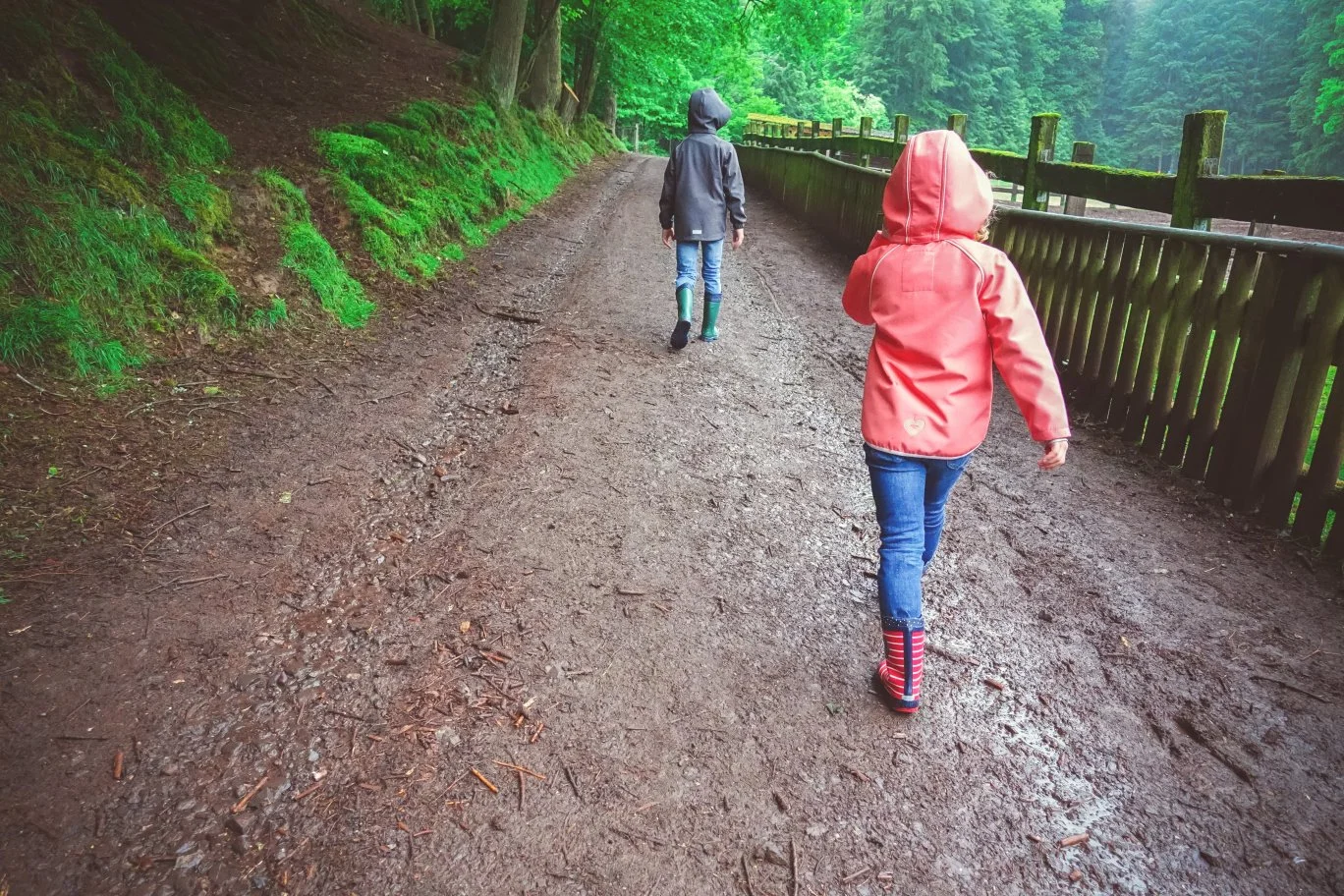
Enjoy the outdoors, and see what you discover!
When it doubt- Go outside! You’ll be amazed at how the lower plants thrive in even the most unexpected places. Explore and connect with nature- it’s always worth it!
Looking for more support for the fifth grade Botany curriculum? Our course offers a full year’s worth of material, main lesson book page tutorials, art lessons, instructor support, and so much more!

About the Authors
Robyn Beaufoy is Waldorfish’s CEO, and also a course instructor for Simple Season (coming soon!), Waldorf Art for Beginners, and Weekly Art Foundations. You’ll find her intuitive touches and influences throughout everything Waldorfish offers. Robyn has been in the world of education for over 25 years, with an MA in Education and a certification in Waldorf teaching - she also homeschooled both of her children for some of that time. In 2012 Robyn co-founded Waldorfish.com, creating it with the vision of making Waldorf inspired-art and pedagogy more accessible, joyful, and doable for homeschoolers all over the world.
Caitlin Amajor is Waldorfish’s course instructor for Geometry grades 5 & 6, and Botany, as well as our Administrative Assistant. From a young age, Caitlin has been immersed in Waldorf education, attending a Waldorf school from K-8. After receiving a BA in History, Caitlin gained her certification in Waldorf teaching, and spent seven years as a Waldorf class teacher in the upper grades. With a special fondness for watercolor painting and geometry, Caitlin loves bringing Waldorf education to her students all over the world, and seeing their own individuality and style bloom from the curriculum!

The Waldorf Geology Block: Curriculum for the Transforming Child
An exciting aspect of the sixth grade Waldorf curriculum is a new area of study: Geology!
Of course, students have been studying the earth since the beginning of their academic journeys: agriculture in third grade, gardening class, and more!
This block is sometimes given the title “Mineralogy,” which we are intentionally choosing not to use here. Mineralogy is it’s own vast subject under the umbrella of Geology - one that requires an understanding of general geologic concepts. In sixth grade, the curriculum touches upon the formation of different minerals, but the goal is to really live into Geology and all the basic concepts that lead into more complex studies in the future.

Chalk is a wonderful medium to use in a geology block- it provides color, texture, and dimension!
The curriculum of the whole sixth grade year marks an important shift in the approach to learning, and it’s the perfect time to dive into geology, which means “the study of the earth.”
The sixth grader is beginning the very powerful journey of puberty; a deeply inward experience where their emotions, physical body, relationships, and worldview, all undergo a transformation. Some of these changes are quick and visible, others can be slow burning and invisible to those around them. Emotions can be hot and fiery one day - cold and aloof the next! While some days a sixth grade child may feel like the world is vast, open, and full of potential, just as quickly, it can feel small, closed, and pressure-filled. Physically, the student might feel light, airy, and free… and in the next moment they can just as easily feel heavy, awkward, and slow moving.

Charcoal is a new art medium to the sixth grade curriculum, and can be used throughout the school year- even in geology!
The growing student is experiencing polarities in a very real way- enter in the study of Geology as the perfect mirror!The geology curriculum is designed to meet students just where they are on their journey of conflicting feelings, emotions, and experiences.
Geology is full of great clashes and yet also contains seemingly insignificant subtleties. A volcano can erupt in a dramatic blast of lava and smoke, while sedimentary rock forms slowly under consistent, unseen pressure over millions of years. A mountain slowly grows taller through the process of uplift, or a new underwater trench may suddenly open from a powerful earthquake. Geology is ever moving, ever changing, and through processes that slowly unfold over time, or suddenly flare up without warning. On a deeply personal, soul level, the student connects with the earth and finds a sense of place and comfort- while they undergo great transformation, so too has the earth on which they stand!
Geology challenges the student to think big and small at the same time. They are looking at the earth in a new, far more abstract way than ever before.
Now the educator asks the student to use different thinking skills. What is the earth really made of, down to its core? What does the presence of exposed granite tell us about what may have existed here millions of years ago? What could an earthquake in the present do to the landscape of the future? Let’s think beyond just what we can see and what surrounds us- it’s time to explore the past, the present, and the future!

This is an example of a wet-on-dry painting: watercolor paints used on dry paper.
As well, the study of geology provides a deeply meaningful way to build one’s connection with the four elements and with nature. The experience of being a teenager and puberty can be one that brings forth real loneliness and feelings of separateness. A growing child may be unsure of where they belong, who they are connected to, and where they fit in socially and emotionally. In geology, the educator can foster a sense of belonging. The four elements, earth, water, air and fire, are found within every human being just as they are in geology.
The sixth grader is in a very important and often poignant point in their development, where so much is happening for them on and beneath the surface. The geology curriculum is designed to meet them right where they are. Just like the earth, the student is in a continuous and often intense point of transformation – and whether these changes are dramatic or subtle, they matter!
As with all things in Waldorf education, diving into a curriculum that truly meets the child is a deeply meaningful way to build the students’ knowledge, connection to nature, and relationships with themselves and others.


About the Authors
Robyn Beaufoy is Waldorfish’s CEO, and also a course instructor for Simple Season (coming soon!), Waldorf Art for Beginners, and Weekly Art Foundations. You’ll find her intuitive touches and influences throughout everything Waldorfish offers. Robyn has been in the world of education for over 25 years, with an MA in Education and a certification in Waldorf teaching - she also homeschooled both of her children for some of that time. In 2012 Robyn co-founded Waldorfish.com, creating it with the vision of making Waldorf inspired-art and pedagogy more accessible, joyful, and doable for homeschoolers all over the world.
Caitlin Amajor is Waldorfish’s course instructor for Geometry grades 5 & 6, and Botany, as well as our Administrative Assistant. From a young age, Caitlin has been immersed in Waldorf education, attending a Waldorf school from K-8. After receiving a BA in History, Caitlin gained her certification in Waldorf teaching, and spent seven years as a Waldorf class teacher in the upper grades. With a special fondness for watercolor painting and geometry, Caitlin loves bringing Waldorf education to her students all over the world, and seeing their own individuality and style bloom from the curriculum!
Looking for something?
Welcome to Waldorfish! We started this adventure in 2012 out of a desire to make Waldorf training more accessible to class teachers in remote locations and to homeschooling families everywhere! Read more, click here.


WE WON! Our Weekly Art courses were voted “best interactive art program.” Learn more about the award, here.


Click here for a full list of schools we work with.
A few of our most popular blog posts:

Who are our courses for?

Starting Waldorf First Grade
4 Things to Know Before Planning Your Homeschool Year

In Praise of Balance: A Healthy Festival Life
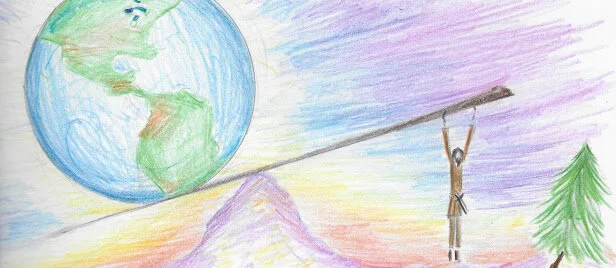
Science in Waldorf Middle School: Starting Something New!