
Waldorfish Blog

Festival Life at Home: Making it Work in Trying Times
“The history of our spiritual life is a continuing search for the unity between ourselves and the world.” – Rudolf Steiner
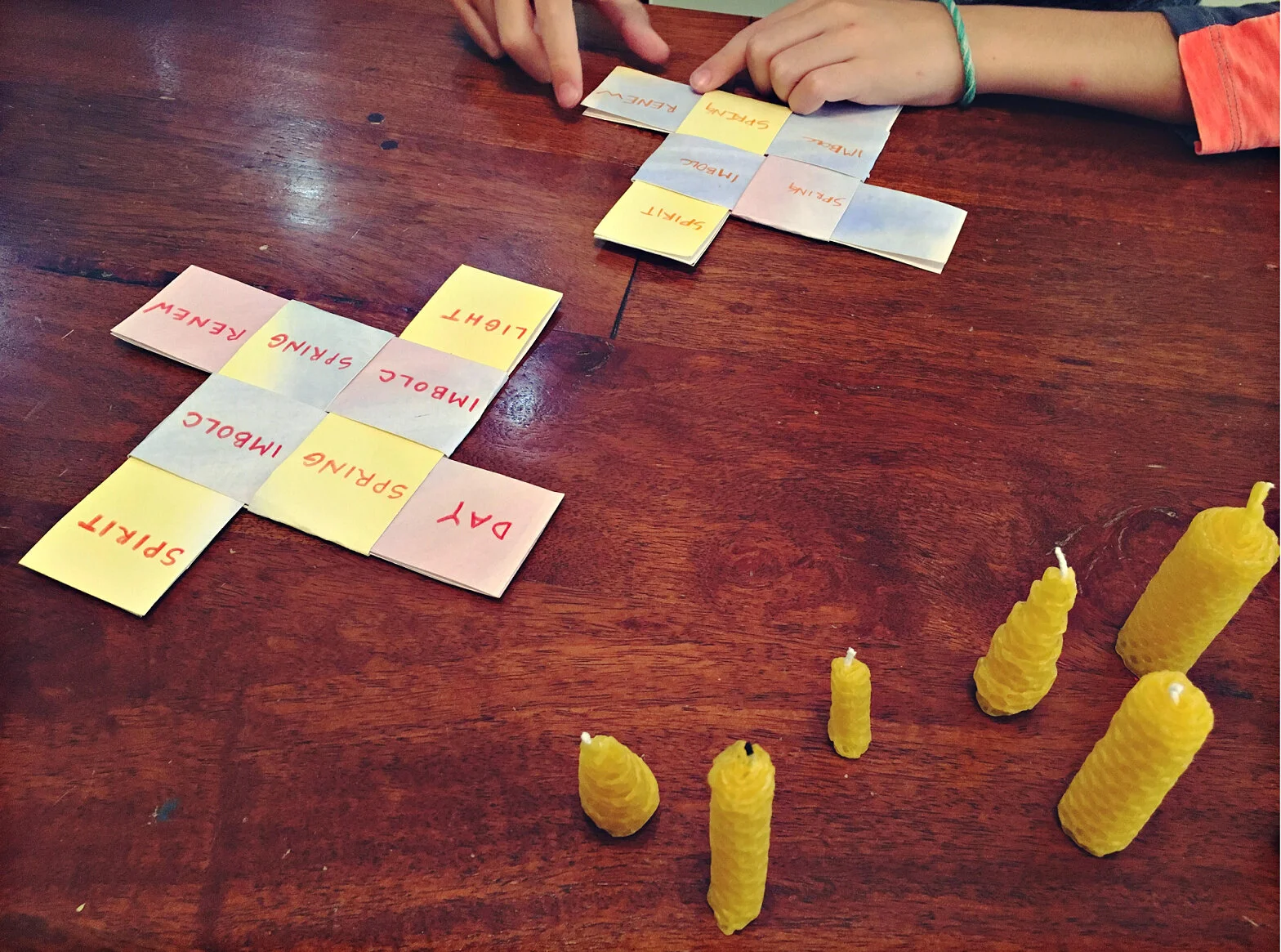
Festival life comes to life with even the smallest details.
It’s a tough year for festival life.
It seems that we are being called to reconsider how we experience it – at least for the time being.
The Waldorf School that my son attended from the ages of 3 to 7 raised relevant questions, when he was in first grade, about what new stories might emerge in the time ahead. How might the greater Waldorf community enlarge the scope of stories told to include some of the collective challenges we face? In all honesty, it seemed like a far-off concept – an interesting one to think about, to be sure, but nothing urgent.
Cut to 2020
Between a global pandemic and fires all along the west coast of the United States (this essay was written in September), I find myself returning to the following questions through clouds of smoke, ash, an evacuation alert, and ongoing quarantine orders:
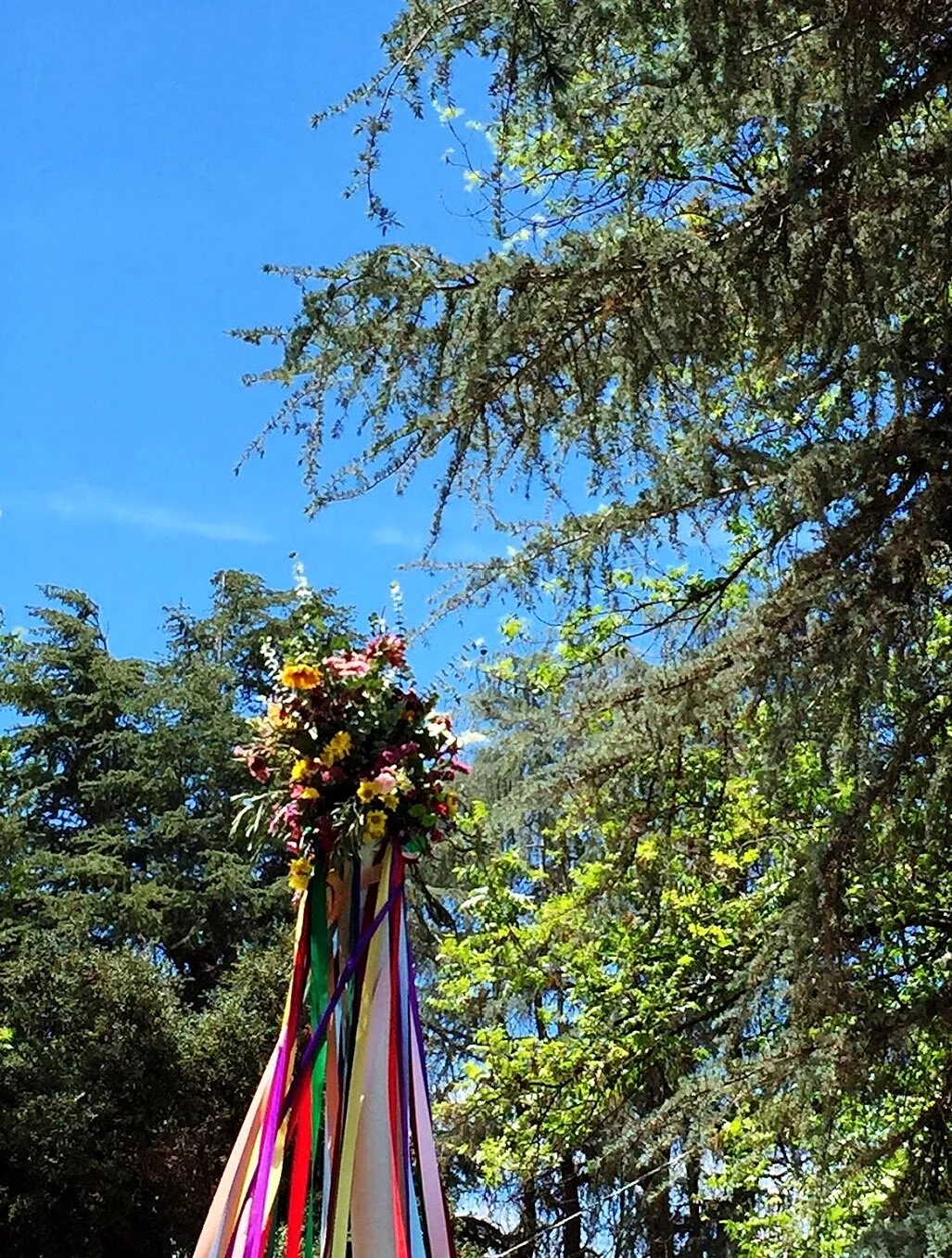
Nature and festival life coming together to celebrate May Day.
What *are* the stories of our time? What role do festivals play in the education of our children, and how do they enrich our lives?
Robyn Beaufoy and I wrote an essay on festival life that can be found here. In it, we propose that while the power of a group is important, it is the quality of presence of each participant that holds the most potential for inner transformation.
This year, we are being asked to think about these rituals in much smaller groups than we are used to. Don’t shy away from this experience; take the opportunity to see where it leads. This is the spirit of inquiry that was consistently promoted by Rudolf Steiner.
“ We can find Nature outside us only if we have first learned to know her within us. What is akin to her within us must be our guide. This marks our path of enquiry.” – Rudolf Steiner”
There are many ways to approach a festival day at home. I have been doing it for years.

Yet the truth is whether you choose to make dragon-shaped bread for Michaelmas, set aside coats for donation on Martinmas, or create a spiral in your living room made of stuffed animals during Advent, it is the spirit with which you approach each festival that counts. My family has, among other things, formed dragons in sand at the beach, crafted a variety of lanterns over the years, rolled candles, and folded watercolored paper into Brigid’s crosses . Most recently, I have started writing my own festival stories for our son.
Maybe this is how narratives evolve: incrementally, resulting from our individual interests and shared experiences, and above all, our courage and curiosity about ourselves and the world we live in.
Waldorf students of all ages (and their parents!) are delighted by a community festival day – there is nothing like it. Be well, friends. Spring will circle back, as it always does, and we will come together again.
Until then, keep the words of Nelson Mandela close:
“Everyone can rise above their circumstances and achieve success if they are dedicated to and passionate about what they do.”
More festival resources on our site!





About the Author
Cristina Havel lives in Southern California where she and her husband have worked together for nearly 2 decades. They homeschool their son using the Waldorf pedagogy as a guide and believe in the transformative powers of art and nature.

What We Offer - Fall 2020!

What kind of support do you need for your homeschooling journey?
It's feeling very Wild Wild West out there right now, as families around the world are sorting out their Plan B for this coming school year.
Many are preparing to enter a brand new school paradigm for their children; and it’s hard to say how it’ll look, and how it’ll work! Remote learning? Home schooling? A little of both? Where to begin?
The good news: we can help! We have a range of courses that are ready to go right now-minimal planning on your part required!
When you buy one of our courses, you have access to all of the lessons forever- that’s right, unlimited access! Included is instruction and support from Waldorf trained and experienced teachers, a supply list, and a wealth of information, activities, and support to make the courses work for you and your child. And the best part? You can work with our courses at your pace- no pressure, no rush!
We’re all about making things simpler for you, so you can focus on all the other moving pieces that this school year is sure to bring!
Ready to learn more?
Click on the link or images to learn more about specific courses and what they offer: who the intended audience is (*child or instructor), how many lessons you’ll receive, and what you can expect. Read on for a summary of what we offer!
Appropriate for Ages 7 and Up:
Explore everything you need to know about block crayons, and more!
Waldorf Art for Beginners: A great place for those who are just getting started! This eight lesson course gives the rundown on watercolor painting, crayon, and chalkboard drawing. Perfect for those who are brand new to Waldorf-inspired art. Available now!

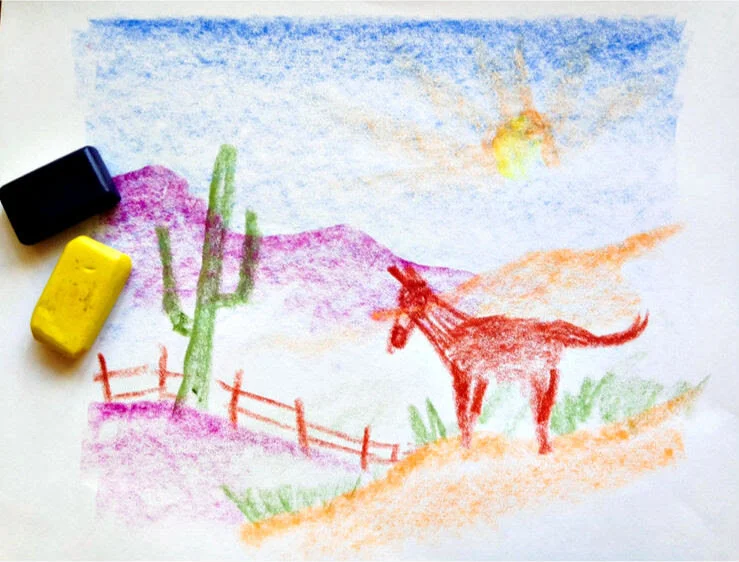
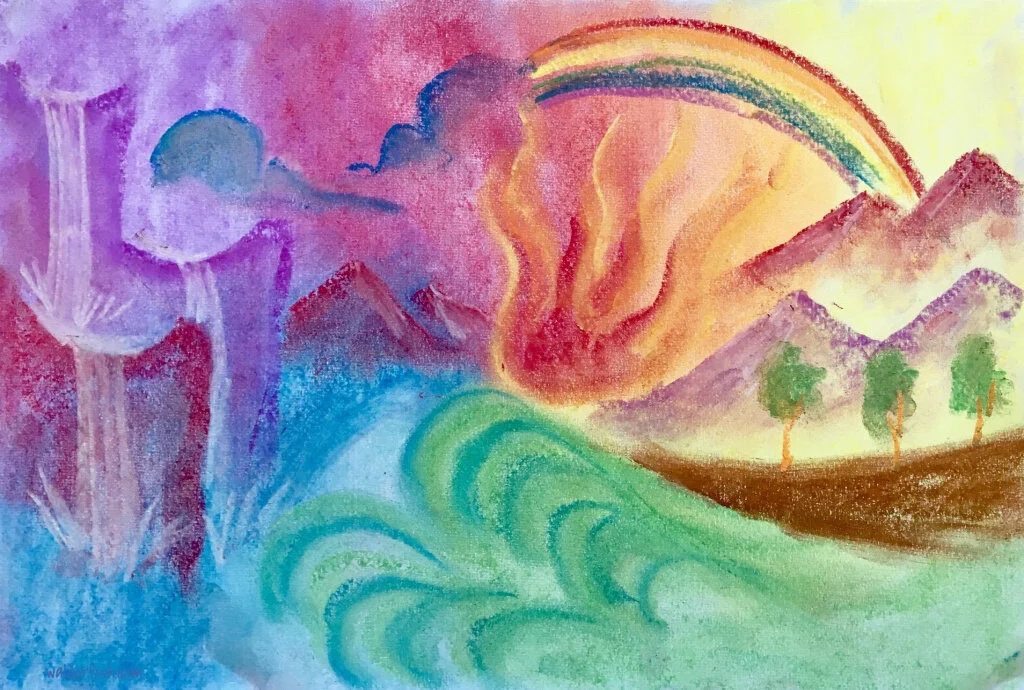
A beautiful pastel drawing from our Weekly Art Foundations course!
Weekly Art Foundations: One of our most popular courses! You’ll get 36 lessons total; one delivered each week. Access them whenever it works for your schedule! You’ll learn how to work with crayon, charcoal, wet-on-wet, and more!
Enrollment for this course closes September 11- don’t miss it!
For the Lower Grades Child (Grades 1-4)

Grade one painting is all about exploring color!
Grade One Painting: Created to meet the first grader’s development through the soothing activity of watercolor painting! Our instructor Amanda Mercer provides original verses, step-by-step instructions, and everything you need to make painting with your first grader a doable and joyous experience! Available now!
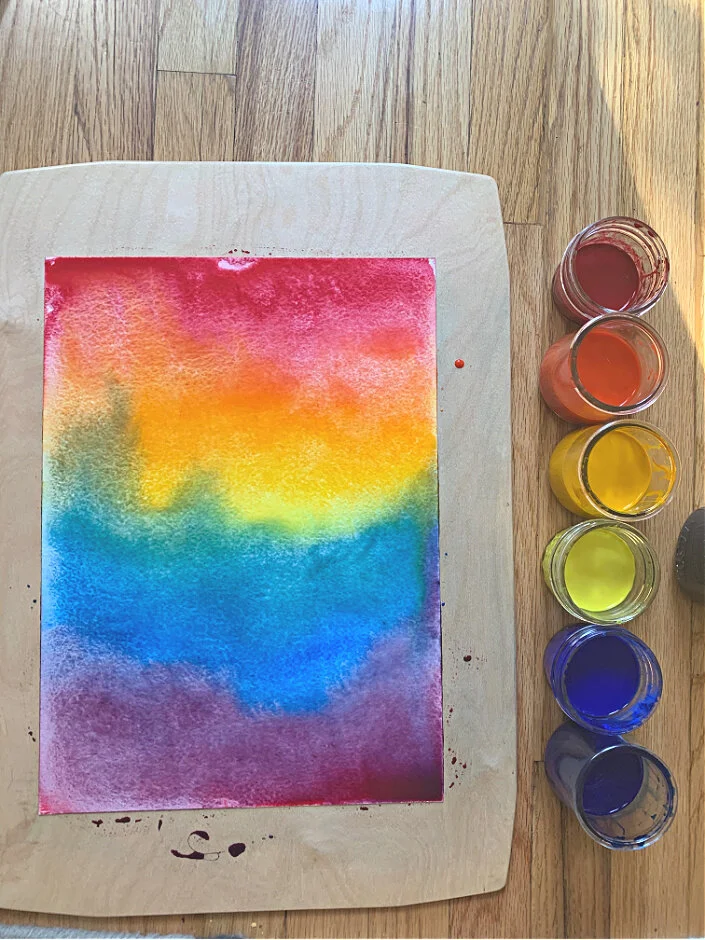
Finding forms in color!
Grade Two Painting: Our brand new offering from our instructor Amanda Mercer! This course continues the journey of watercolor painting for the developing second grader. Step by step instructions, original verses, and practical activities are all included! Available now!
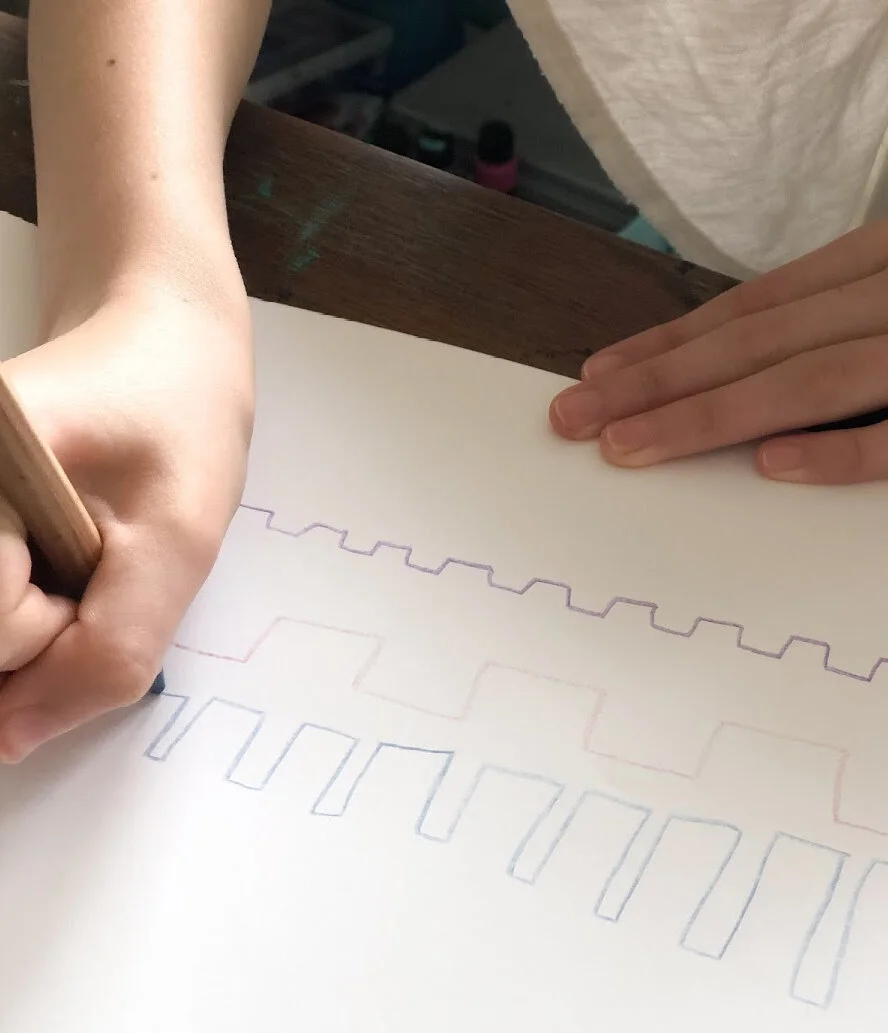
Get started with form drawing- we’ve got you covered for the school year!
Form Drawing: We offer four courses that encompass a year’s worth of form drawing curriculum for grades 1-4! Our instructor Rev Bowen shares his decades of teaching experience with over 30 videos per course, step-by-step tutorials, and so much more. All 4 courses available now!
For the Upper Grades (Grades 5-8)
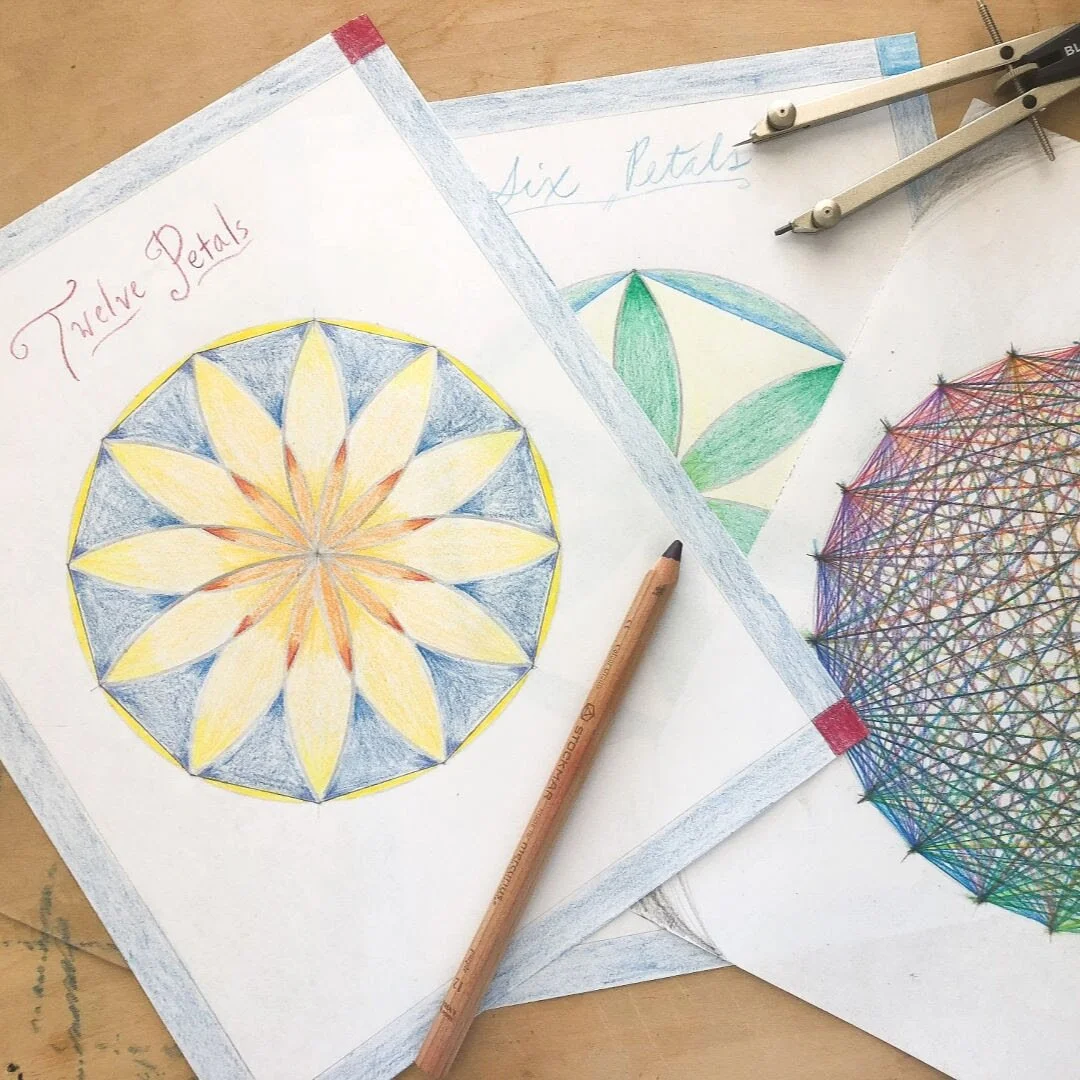
Beautiful forms from our sixth grade geometry course.
Geometry: Our four courses for grades 5-8 provide a block’s of geometry curriculum instantly! With each course providing 15 lessons, each is perfect for the Waldorf homeschooling classroom, or for those using other educational methods, is a perfect artistic supplement! All 4 courses are available now.
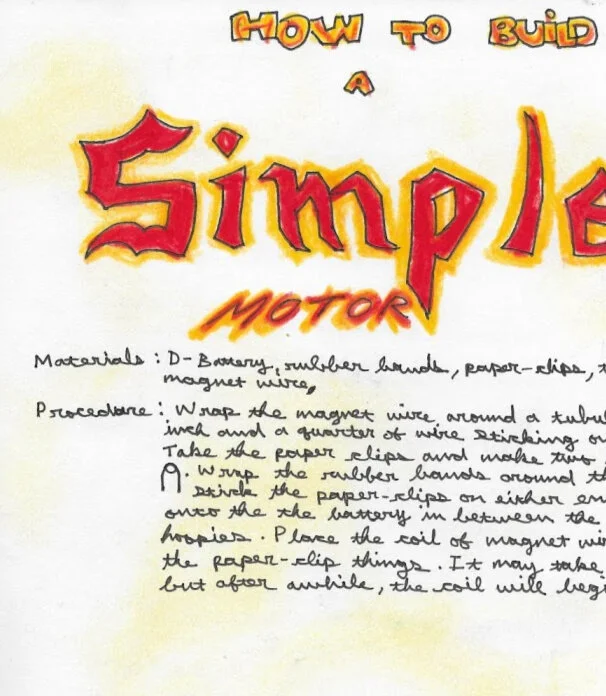
Bring Waldorf Physics to your homeschooling routine!
Science: A Waldorf science curriculum for homeschool & classroom educators! Built for the educator, each course provides step-by-step demonstrations, how and why to create rhythm in the lessons, and so much more! Currently, we offer Physics for grades 6-8 with instant access to a year’s worth of planning curriculum! Available now!

Curriculum and art working together!
Weekly Art Diving Deeper: For students who have completed our Weekly Art Foundations course, this course is built for those who are ready to enhance their artistic skills. This course includes in-depth instruction in Perspective Drawing, Figure & Portrait Drawing, charcoal, chalk drawing, watercolor and so much more!
We’d love to help you make this unique year work for you and your family. You’ve got this!
Questions? Click here!
Allowing Your Children to Write Their Own Stories: Steiner and Awakening

Though our days are very slowly getting shorter, changes in the light do not escape me.
My thoughts attune with the familiar rhythms of Fall. What will my child accomplish this year? What will capture his imagination? With what will he struggle?
As I prepare myself to teach 7th grade, I find myself thinking back to the end of 4th.
It was a significant time for us; a major milestone was reached. I no longer had to encourage my son to translate what he was thinking into writing. Prior to that, he was writing thank you cards and other short assignments that were not difficult to complete. But I would not say that he enjoyed longer, more complex work. And what a child does not enjoy, he or she generally does not take initiative to pursue, let alone practice or excel in.
I (over)thought this a lot, and after one episode in 3rd grade that involved me “encouraging” him to color code a writing assignment (grammar practice) while he sat at our dining room table in distress, I made one of the best decisions of our home schooling life: I was not going to make him write anything complex or demanding until he showed a real interest in doing so himself.
“At all levels of linguistic experience, from the formation of the sounds, the letters of the alphabet, the rhythm of sentence structure, we find the metamorphosis of movement and gesture into structured form. – The Tasks and Content of the Steiner-Waldorf Curriculum, Avison and Rawson, Editors”

Student work from a language studies class.
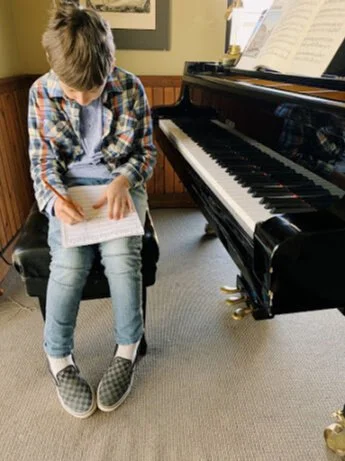
While desk work was not highly successful by conventional standards, he was playing piano, reading music, and writing simple etudes for his instrument -- all of which took a considerable amount of commitment and practice. It wasn’t Language Arts, but it was undeniably reading and writing. He was also studying Japanese and loved to make his own practice books of writing (bonus – it was a lot like Form Drawing!). I had to acknowledge that this also registered as language arts-related.
We still worked on short passages together in English -- copy work, letters to friends and family, and other things that would probably be considered below his grade level. Despite the voices in my head telling me (shouting, actually) that I was making a huge mistake by not forcing the issue, I made a decision to let it all go. Instead I focused on our daily lessons without becoming overly dependent on one particular measure of retention or success.
“ Rudolf Steiner had tremendous confidence in the natural processes of development and reminded us that “That which is asleep will awaken.” That doesn’t mean we do nothing; rather, it means that the things we do need to be consonant with the child’s own developmental stages as they unfold. – Rahima Baldwin Dancy, You Are Your Child’s First Teacher.”

Then something happened.
During the last week of 4th grade, as a supplement to his Man and Animal block that had been completed earlier in the year, we studied a book from the Los Angeles Natural History Museum. He was deeply moved by the section on animal extinction and protections, as we had gone to a wolf sanctuary earlier in the year.
He read. And then he started to write. And write. And write. He didn’t stop until he had filled a piece of 8 ½ x 11 paper with line after line of cursive writing.
I knew it. I knew that if I was patient, consistent, and did not cause him undue stress, he would find his voice. Above all else, curiosity drives industry -- from the school room to the board room. Waldorf Education promotes curiosity and Waldorf homeschooling allows a child to truly be seen and develop at his or her own pace, the results of which can be astonishing.
Let's keep an open mind, trust our children, and allow them to write their story at their own pace!

About the Author
Cristina Havel lives in Southern California where she and her husband have worked together for nearly 2 decades. They homeschool their son using the Waldorf pedagogy as a guide and believe in the transformative powers of art and nature.





Biggest Bang (for your homeschooling dollars)
Make the most of your courses from Waldorfish.com!
Hi Friends!
As we talk with folks who’ve taken our Waldorf homeschooling courses over the years, we’ve noticed a trend.
A couple of trends, actually. It’s pretty straightforward, really: the folks who consistently do these 3 things get the most value from our programs.
1. Get Ready: Organize your supply situation!
Trust me, art teachers here, we get it - all those little bottles of pigment, and brushes, and paper, and charcoal pieces (!!), and crayon bits … the whole lot of them can take on a life of their own. There’s a solid chance your homeschooling and Waldorf art supplies could use a good Marie Kondo-ing, am I right?
Once you’ve taken stock of what you have, you’ll know what you need! After enrollment in our courses, we'll send you a supply list (with helpful links), and you can collect the items you still need, before you start lessons.
2. Get Set: Calendar your lessons!
Calendar your lessons, like you would for music or swimming lessons. If it’s not in your calendar, it’s not likely to happen.
You may find that you need to try a few different days/times in order to identify the sweet spot for the lessons in your week - some people love using our Weekly Art lessons to start their week – others find them the perfect way to end the week.
You can’t know without trying a few options first.
3. Go!
After completing each lesson, post your child’s work in the online classroom, or for art, share it with us in the private Weekly Art Facebook group!
All of our courses include feedback and mentoring from our teachers. Those families who post their work and ask questions in the classrooms get, by FAR, the biggest bang for their homeschooling bucks!
Purchasing our courses means that you now have a trained Waldorf teacher in your back pocket, available to help and answer your questions. Whew!
Questions? Let us know how we can help —> Click here!
Looking for something?

Welcome to Waldorfish! We started this adventure in 2012 out of a desire to make Waldorf training more accessible to class teachers in remote locations and to homeschooling families everywhere! Read more, click here.


WE WON! Our Weekly Art courses were voted “best interactive art program.” Learn more about the award, here.


Click here for a full list of schools we work with.
A few of our most popular blog posts:

Who are our courses for?

Starting Waldorf First Grade

4 Things to Know Before Planning Your Homeschool Year

In Praise of Balance: A Healthy Festival Life
Science in Waldorf Middle School: Starting Something New!