
Waldorfish Blog

Waldorf Seventh Grade Chemistry: Starting with the Basics

Students learn by doing in Waldorf science!
Seventh grade marks a significant turning point in a student's development.
As young adolescents begin to think in more complex and nuanced ways, they become ready to explore subjects that require both careful observation and emerging abstract thinking.
Chemistry is especially well-suited to this stage.
It invites students to look beyond what can be immediately seen, ask deeper questions about the nature of matter, and begin investigating the invisible processes that shape the world around them. Through the study of chemistry, seventh graders are challenged to develop new ways of thinking while satisfying their growing curiosity about how the world works.

Hands-on learning is present throughout the Waldorf seventh grade chemistry block.
Unlike many sciences that can be directly observed in nature, chemistry asks us to look beneath the surface. Students begin to wonder: What is everything around us made of? How do substances interact with one another? What causes change?
The beauty of a Waldorf chemistry block is that no prior expertise is required, including for the educator! Students begin with direct experiences and observations, building a foundation from which deeper understanding can grow in eighth grade and beyond.
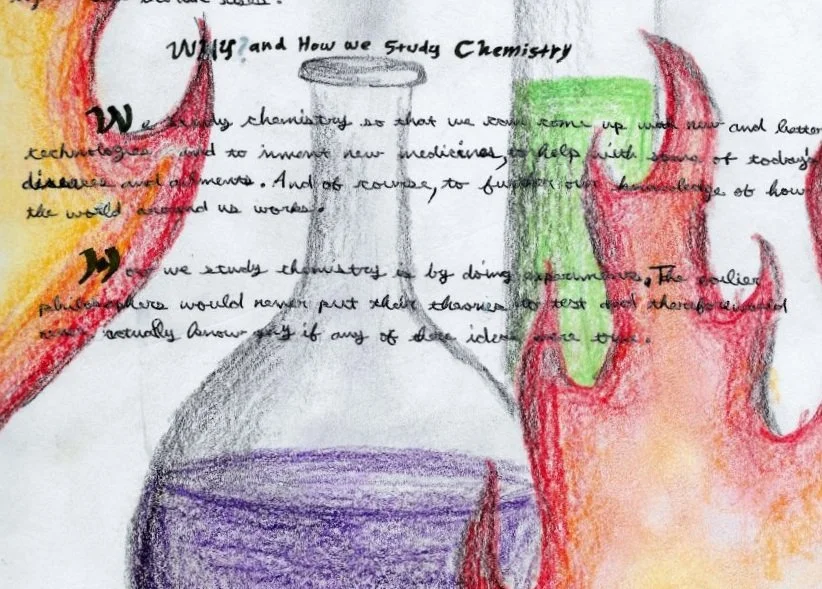
A central theme throughout the block is understanding the difference between physical changes and chemical changes. A physical change occurs when a substance changes its form or appearance but remains the same substance. For example, water can exist as a solid, liquid, or vapor, yet it remains chemically the same substance: H₂O.
A chemical change, on the other hand, produces a completely new substance. When wood burns, for example, it changes into ash, smoke, and gases. The wood is no longer wood at the molecular level - it has been transformed into something entirely different. Students learn to recognize and distinguish between these two important types of change as the lessons unfold.
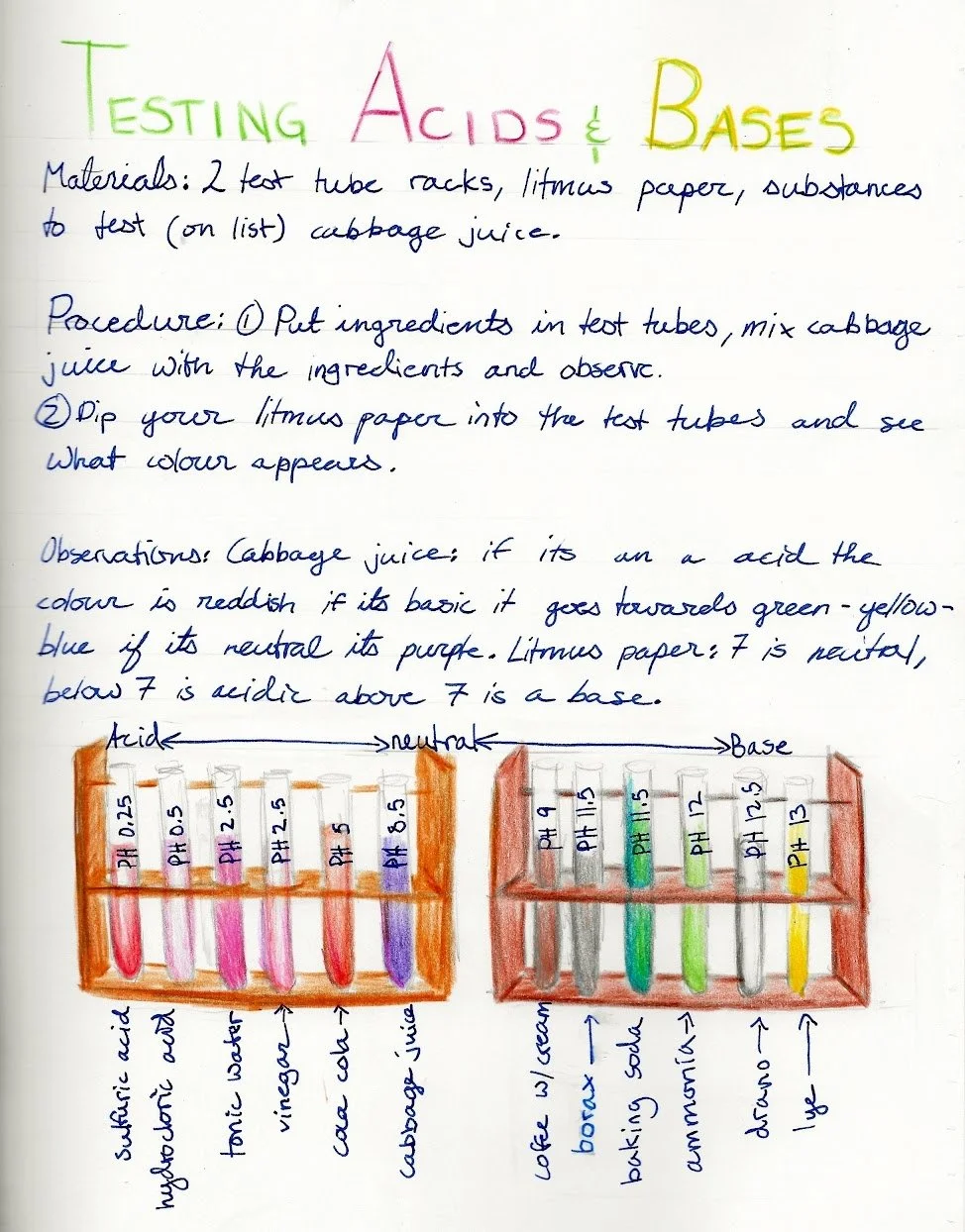
A student’s main lesson book illustrating their work with acids and bases.
Students explore the themes of the block through a variety of hands-on experiments and demonstrations.
During studies of combustion, they observe different materials as they burn, and discover how substances can produce colorful flames. Through crystallization activities, students create salt paintings and grow sugar crystals, witnessing how beautiful and orderly structures emerge from solutions.
The study of acids and bases brings another layer of discovery. Using purple cabbage as a natural indicator, students investigate how common household substances such as soap interact with acids and bases, revealing dramatic color changes that make invisible chemical properties visible.
The block often culminates with the lime cycle, a process that has connected human civilization to chemistry for thousands of years. Through stories, demonstrations, and observations of a lime kiln, students follow limestone as it undergoes a remarkable series of transformations, illustrating the interconnected processes of heating, burning, dissolving, and hardening.
Throughout the chemistry block, students are not simply memorizing facts.
They are learning to combine careful observation with emerging abstract thinking, developing the capacity to understand processes that cannot be seen directly. In doing so, they uncover a deeper layer of understanding about the ever-changing world around them.




About the Authors
Robyn Beaufoy is Waldorfish’s CEO, and also a course instructor for Simple Season, Waldorf Art for Beginners, and Weekly Art Foundations. You’ll find her intuitive touches and influences throughout everything Waldorfish offers. Robyn has been in the world of education for over 25 years, with an MA in Education and a certification in Waldorf teaching - she also homeschooled both of her children for some of that time. In 2012 Robyn co-founded Waldorfish.com, creating it with the vision ofmaking Waldorf inspired-art and pedagogy more accessible, joyful, and doable for homeschoolers all over the world.
Caitlin Amajor is Waldorfish’s course instructor for Geometry grades 5 & 6, Botany, and Geology as well as our Administrative Assistant. From a young age, Caitlin has been immersed in Waldorf education, attending a Waldorf school from K-8. After receiving a BA in History, Caitlin gained her certification in Waldorf teaching, and is a teacher in the upper grades. With a special fondness for watercolor painting and geometry, Caitlin loves bringing Waldorf education to her students all over the world, and seeing their own individuality and style bloom from the curriculum!

Waldorf Eighth Grade Physics: A Culmination of the Curriculum
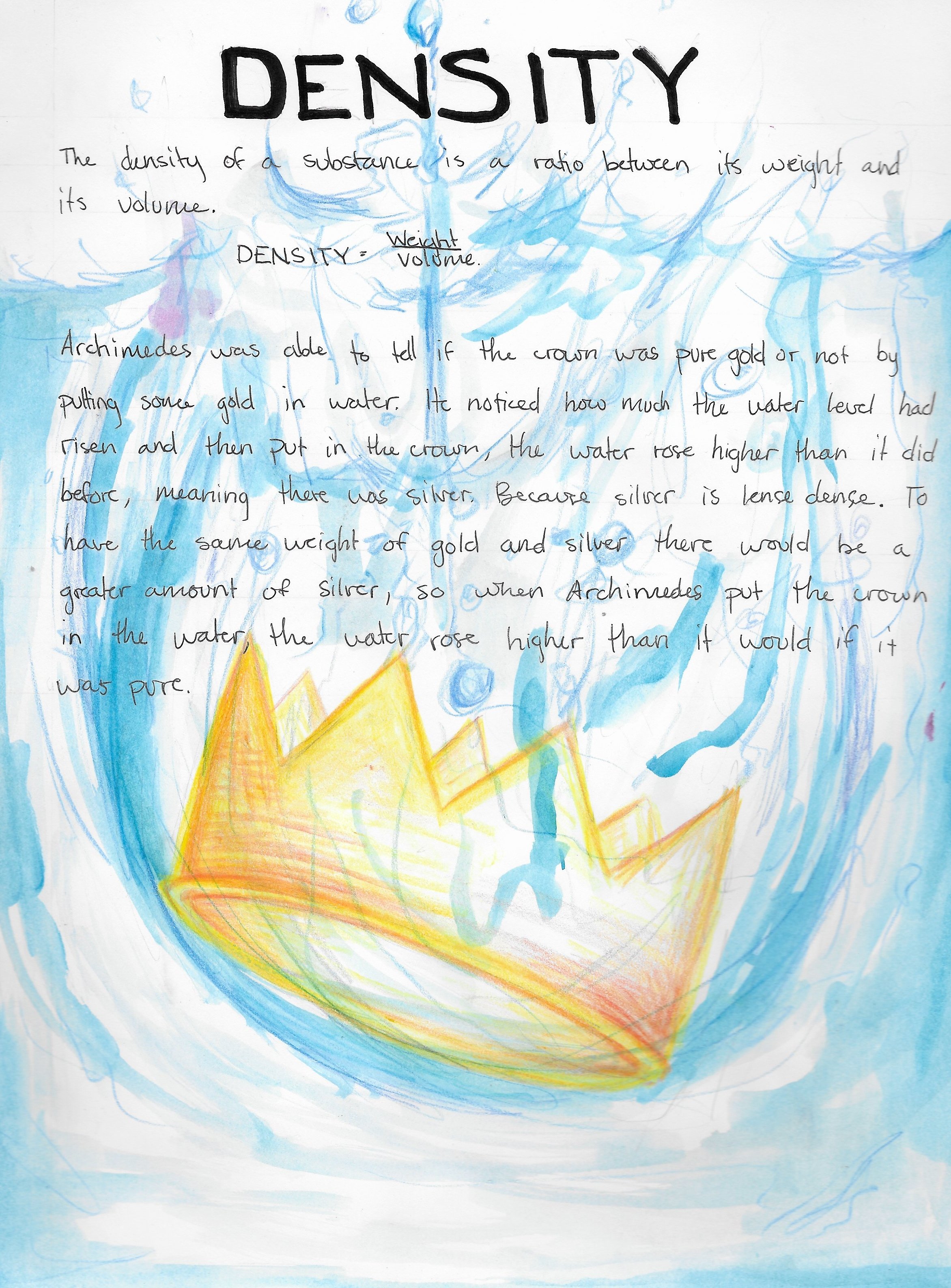
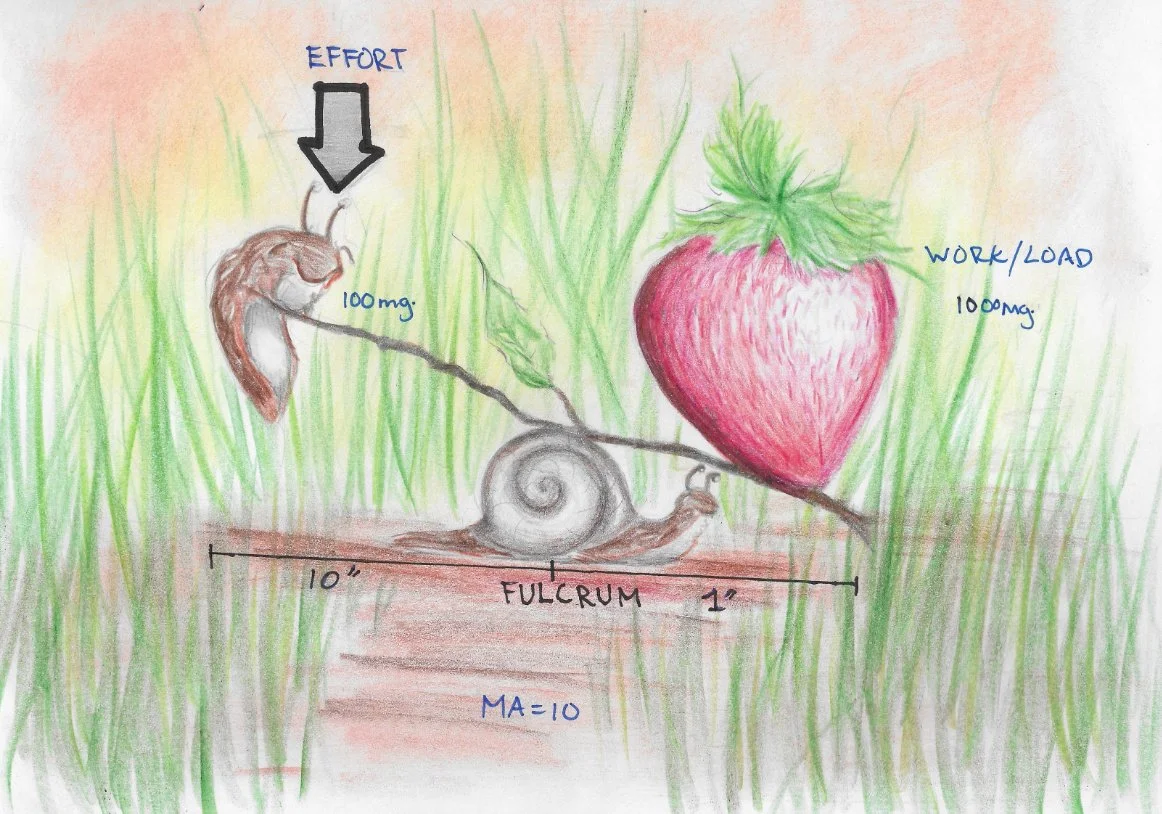
Student work from our eighth grade Physics course.
Waldorf eighth grade physics represents the culmination of the full physics curriculum, beginning formally in sixth grade.
At this age, eighth graders are experiencing a meaningful shift in how they meet the world.
Around thirteen, students begin to think with greater independence and clarity, moving more fully into abstract reasoning while still needing to learn to remain grounded in direct experience. In Waldorf education, this stage is understood as a time when thinking begins to come into its own, supported by the student’s growing capacity for judgment and discernment.
Rudolf Steiner described this period as one in which young people are ready to encounter the lawful nature of the physical world in a more conscious way.
Physics meets them here beautifully - offering not only an exploration of natural phenomena, but also a way to strengthen clear thinking, careful observation, and an emerging inner sense for truth.
While the content becomes more advanced, the teaching approach remains rooted in phenomenology. Students learn by doing, with the goal being as much active participation and experimentation as possible.
The major areas of focus in eighth grade physics are fluid mechanics, aeromechanics, electromagnetism, and acoustics. The educator may decide to incorporate other topics as well, and many of their decisions will depend on what the students have learned in prior grades. The goal is to deepen concepts that have been learned before, so the student can enhance their connection with the natural laws of nature.
First we’ll look at fluid mechanics, where students explore the behavior of water and how it flows.
They may consider questions such as: Where do we see water in the world—rivers, dams, or oceans—and what power does it hold? By observing a small creek, for example, students can notice where water flows quickly or slowly and begin to understand the factors influencing its movement. From these observations, they explore concepts such as flow, hydraulics, pressure, surface tension, and density. These studies reveal how water behaves and how humans harness its power in engineering and design.

Waldorf physics explores the curriculum through real-life examples.
Closely related is the study of aeromechanics, which examines the nature of air.
Students discover that air, like water, follows similar physical laws, even though it is less visible. They investigate how air moves, the shapes it can take, and how pressure operates within it. Topics such as compressed air and meteorology—particularly the interaction of warm and cold fronts—help students connect their learning to weather patterns and the natural world around them.
Electricity is another key component of the eighth grade curriculum, building on concepts introduced in earlier years.
Students explore conductivity by investigating which materials allow electricity to flow and which do not, with common examples including metals and water. They work with circuits, gaining practical experience in how electricity moves through a system. Often, this culminates in hands-on projects such as constructing a simple motor, allowing students to see the direct application of electrical principles.
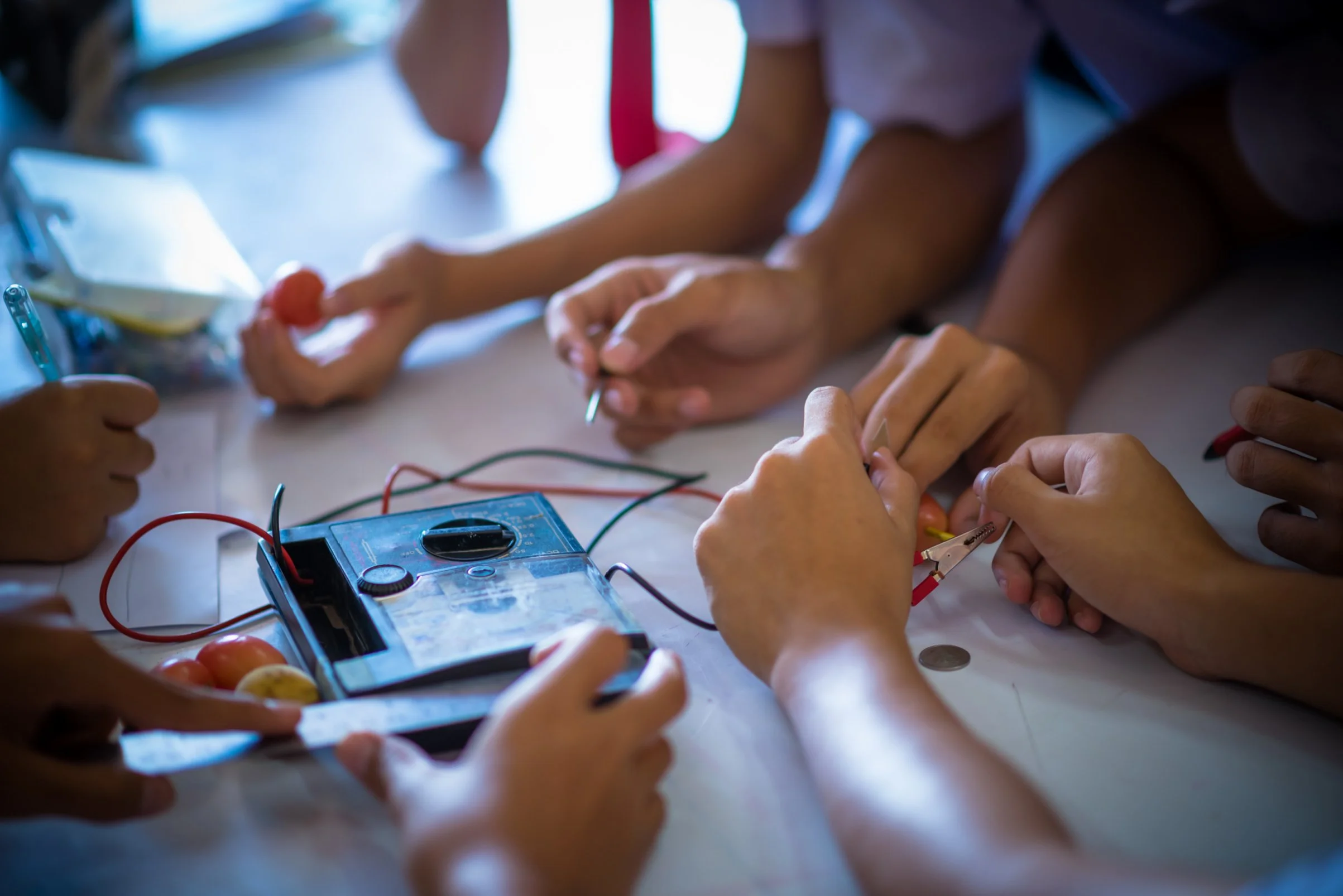
Science comes to life through doing and observing!
Finally, acoustics further explores the physics of sound. Students will explore how sound is produced, transmitted, and received.
A particularly engaging activity is the creation of a simple speaker, which helps students understand vibrations and sound waves in a tangible way.
Altogether, the eighth grade physics curriculum in Waldorf education integrates fluid mechanics, aeromechanics, electricity, and acoustics into a cohesive and meaningful whole.
Through hands-on experiences, thoughtful observation, and guided reflection, students not only learn scientific principles but also develop the ability to think deeply about the world around them.




About the Authors
Robyn Beaufoy is Waldorfish’s CEO, and also a course instructor for Simple Season, Waldorf Art for Beginners, and Weekly Art Foundations. You’ll find her intuitive touches and influences throughout everything Waldorfish offers. Robyn has been in the world of education for over 25 years, with an MA in Education and a certification in Waldorf teaching - she also homeschooled both of her children for some of that time. In 2012 Robyn co-founded Waldorfish.com, creating it with the vision of making Waldorf inspired-art and pedagogy more accessible, joyful, and doable for homeschoolers all over the world.
Caitlin Amajor is Waldorfish’s course instructor for Geometry grades 5 & 6, Botany, and Geology as well as our Administrative Assistant. From a young age, Caitlin has been immersed in Waldorf education, attending a Waldorf school from K-8. After receiving a BA in History, Caitlin gained her certification in Waldorf teaching, and is a teacher in the upper grades. With a special fondness for watercolor painting and geometry, Caitlin loves bringing Waldorf education to her students all over the world, and seeing their own individuality and style bloom from the curriculum!
Working in the Round: Macramé, Knitting, and 3D Thinking
We’re excited to share a piece from authors, educators, and all around amazing humans, Shellie Smith and Elizabeth Seward! With decades of experience, they will be sharing insights into Waldorf handwork.
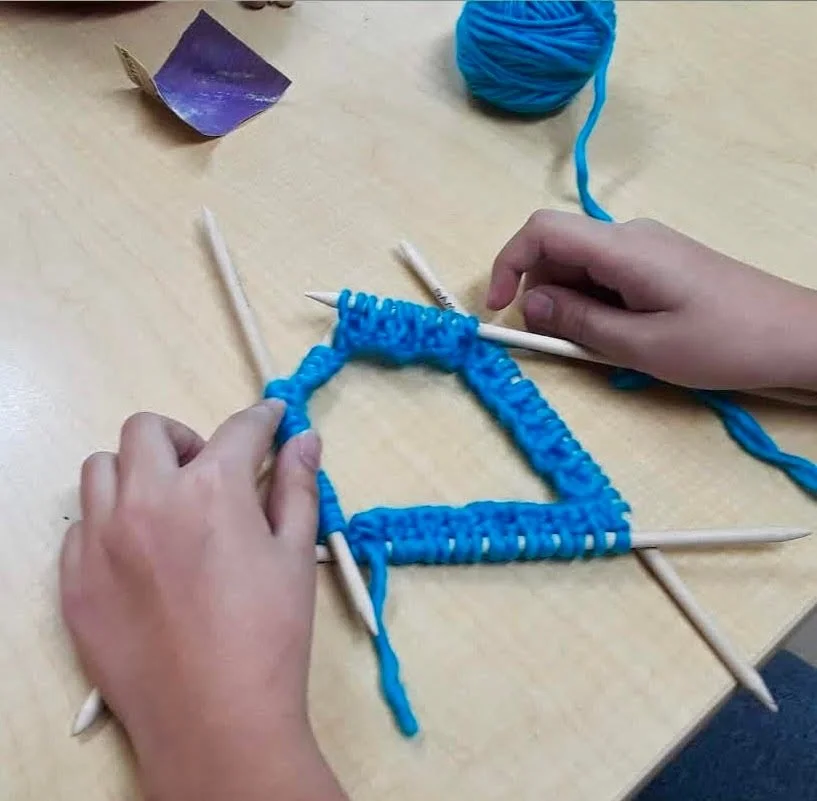
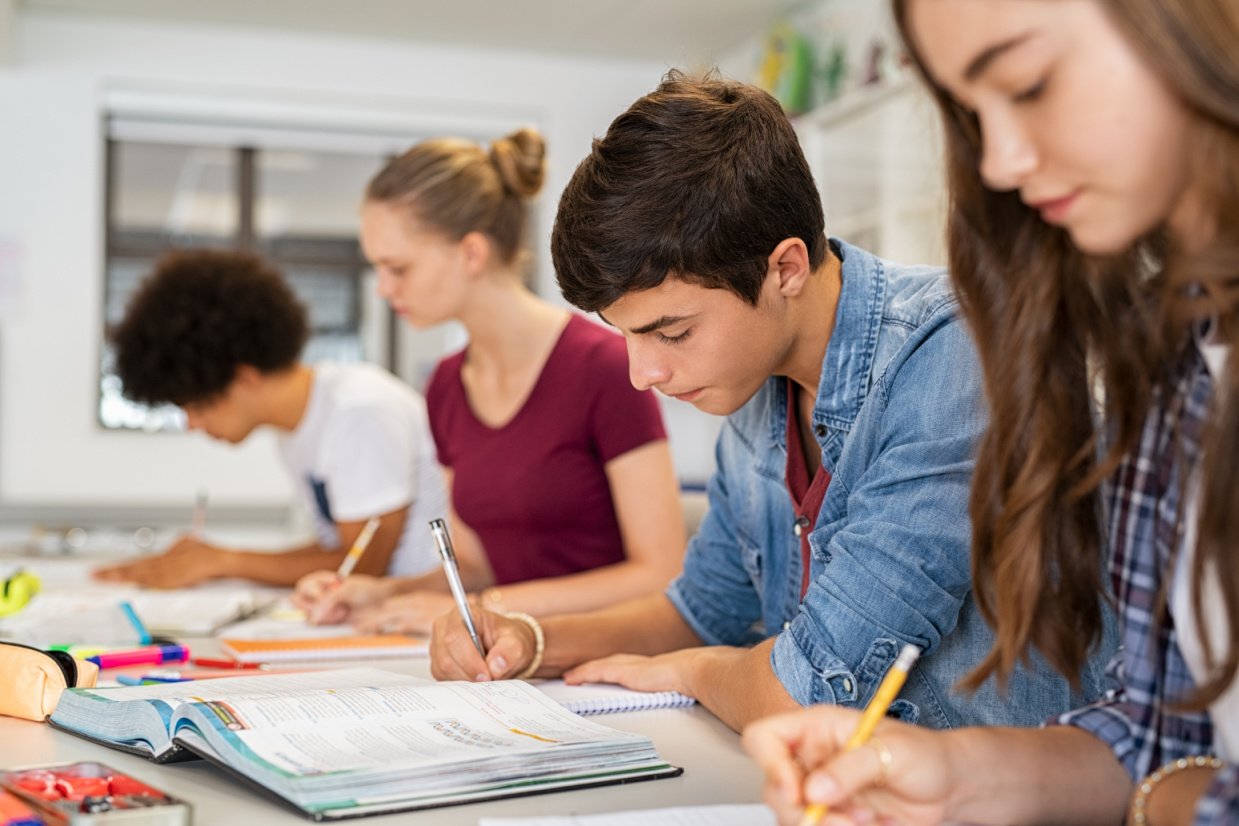
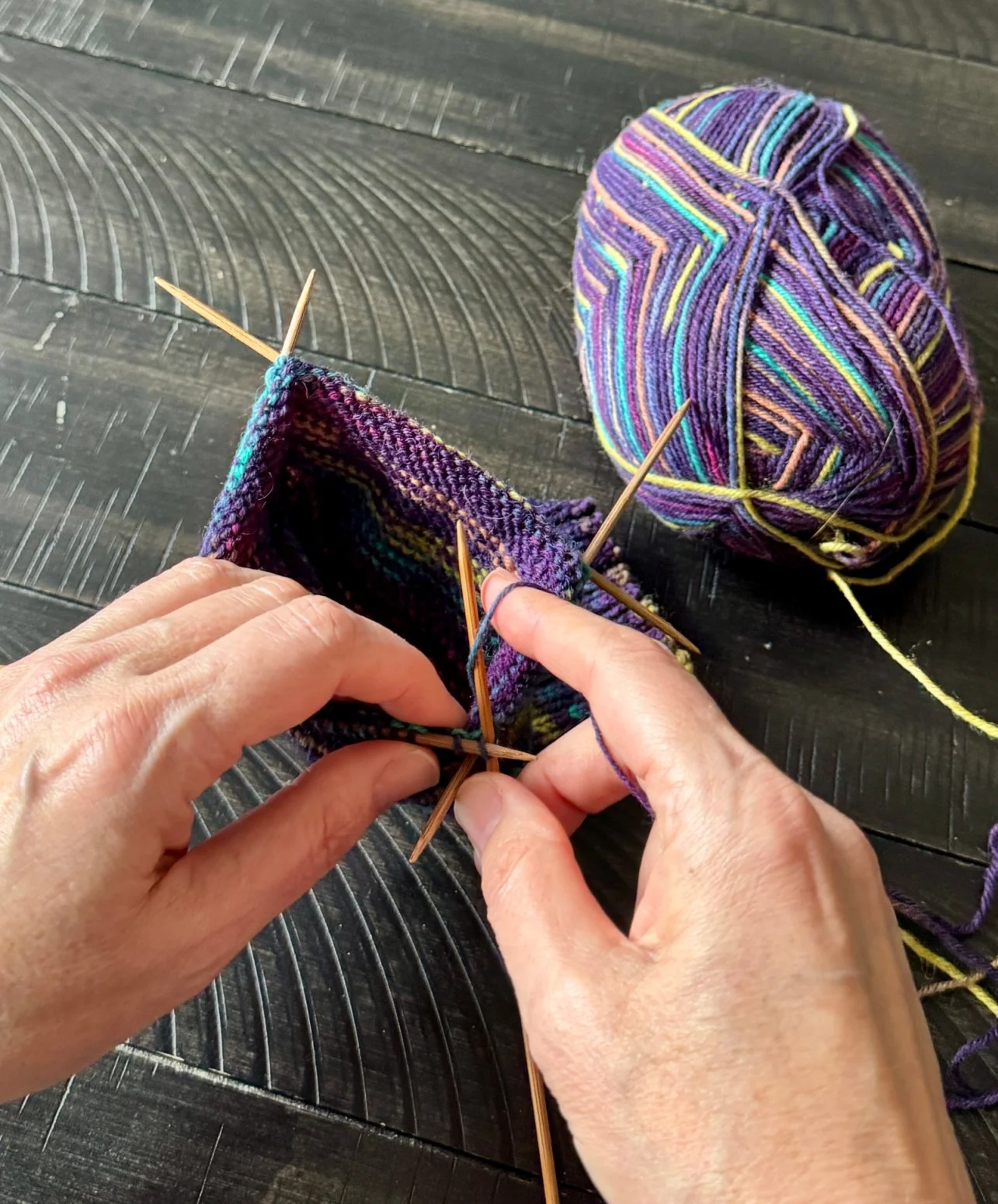
Handwork curriculum builds many skills, including spatial visualization!
Handwork, by its very nature, is three-dimensional.
From the earliest grades, children work with real, tangible materials that respond to touch and are transformed through the work of their hands. And yet, something new begins to emerge in fifth grade.
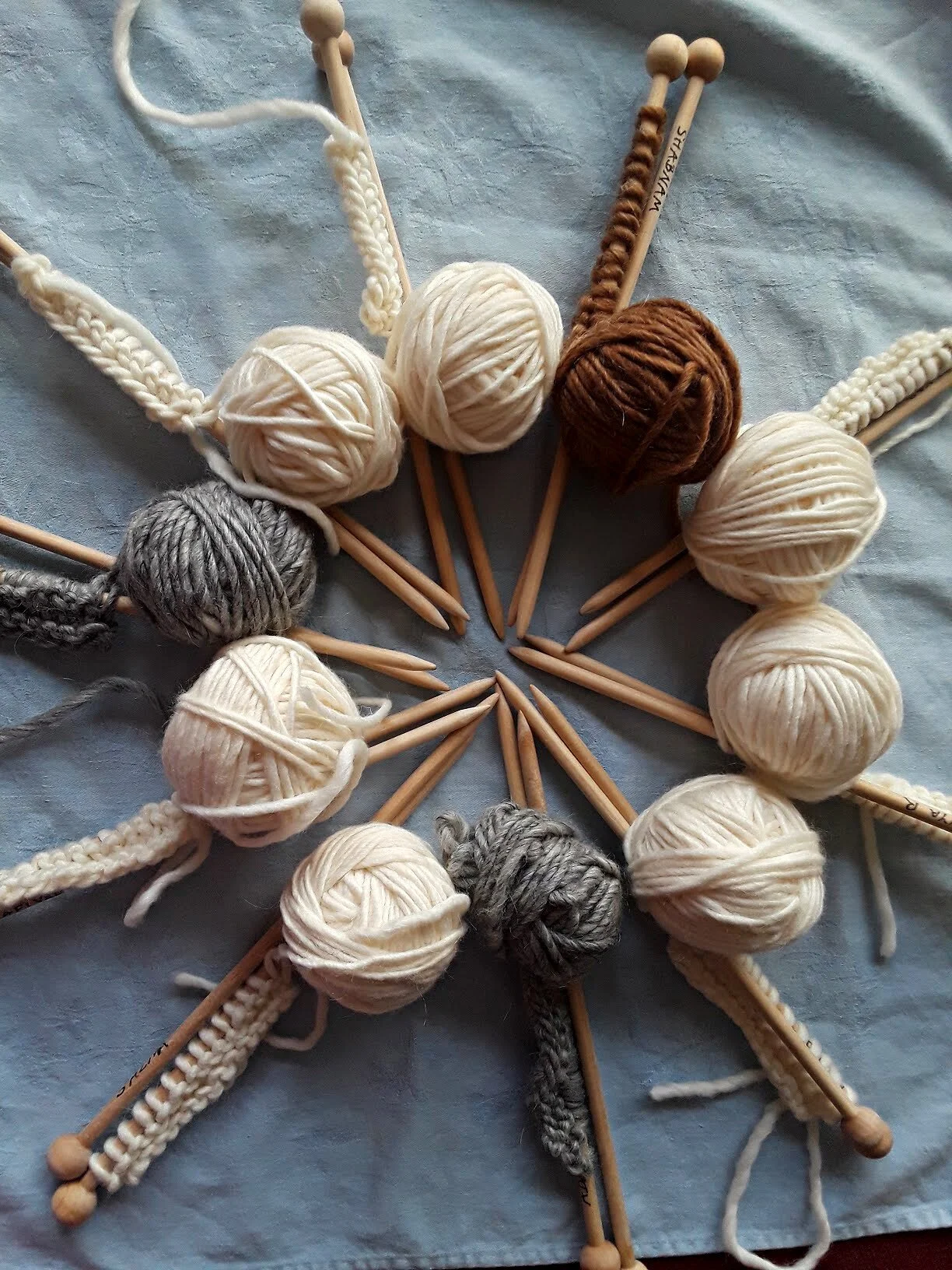
In first through third grade, children knit or crochet flat pieces that are later folded, shaped, and sewn into three-dimensional forms. In fourth grade, they embellish the surface, bringing individuality and design into what has already been made. But in fifth grade, there is a shift. Instead of transforming something flat, they begin working directly in the round—the form emerging stitch by stitch from the very beginning.
Three-dimensional thinking—sometimes called spatial visualization—is the ability to mentally hold, rotate, and understand complex forms.
It is the capacity to see beyond one perspective, to imagine how parts relate to a whole, and how that whole exists in space. This kind of thinking lives at the foundation of so many human endeavors: architecture, engineering, medical work, scientific research, and even the ability to navigate social situations with depth and understanding.
In contrast, two-dimensional thinking keeps us fixed in a single viewpoint. But in these middle years of childhood, something is awakening that calls for more.
Fifth graders stand at a threshold. They are no longer fully immersed in the world as younger children are; a quiet distance begins to emerge—a growing awareness of themselves in relation to others and the world around them.
With this comes a readiness for greater precision and complexity. They are preparing for geometry, formal scientific observation, and the study of history as something recorded and examined. Their thinking becomes more objective, their observations more careful, and soon—by sixth grade—they begin to question and debate.

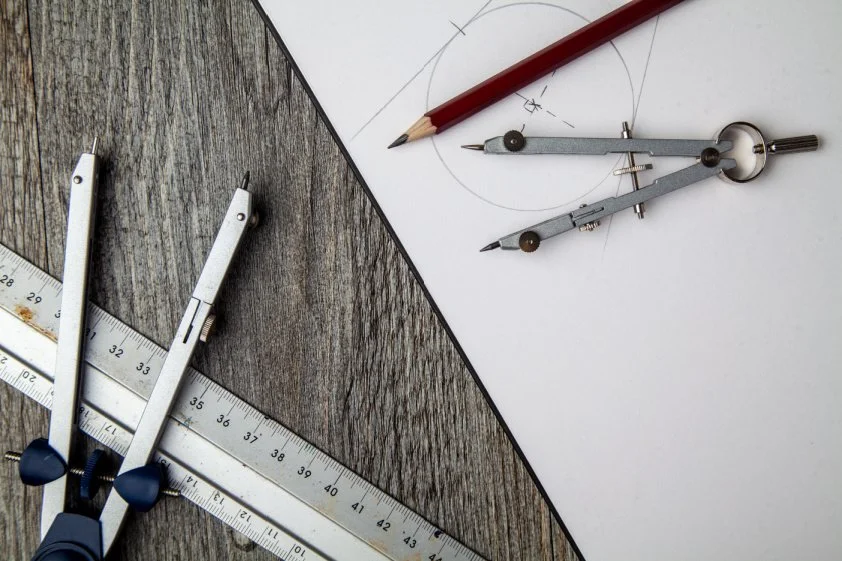
Fifth grade handwork projects challenge the student to look at an object from different points of view.
Handwork meets this moment in a profound and practical way. When children work in the round—whether through knitting, macramé, basketry, netting, or other crafts native to your geographical location—they are actively creating a three-dimensional form in their hands.
This is not abstract. It is lived, tactile, immediate. Stitch by stitch, knot by knot, they build something that exists in space, quietly developing the inner capacity to imagine and work with complexity.
At the same time, something else is being asked of them. They must learn to focus and expand their awareness simultaneously. In knitting in the round, this might mean working with two active needles while holding the others in space, keeping them from slipping or tangling. In macramé, a student might work with twelve cords—focusing on four at a time while holding the remaining eight in the periphery.
This gesture is significant. Children are learning to attend to what is immediately in front of them while maintaining awareness of the larger whole.
This is not only a technical skill—it is a lived experience of balanced attention. Over time, this physical practice lays the groundwork for something much larger: the ability to hold multiple perspectives, to think around a question, and to recognize that more than one viewpoint can exist at the same time.
We see here one of the central principles of Waldorf education: experience first, understanding later. The hands lead, and thinking follows.
Traditionally, knitting in the round has been one way we meet this developmental moment in fifth grade. It is a beautiful, time-honored practice. At the same time, macramé bears a remarkable similarity. It calls for the same kind of three-dimensional thinking—working rhythmically, round and round, to build form through repetition.
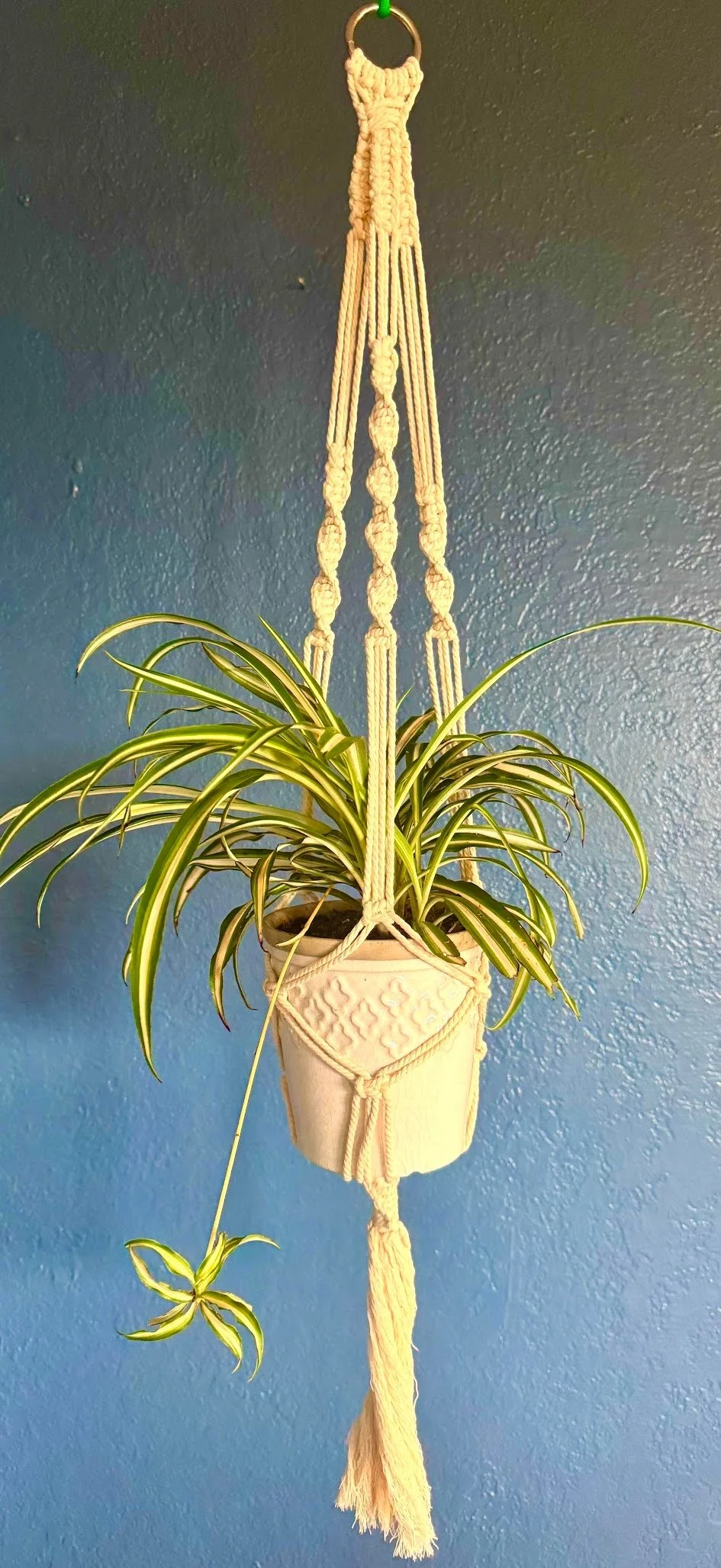
Macramé asks students to work with multiple stands at a time while learning knotting techniques.
In a macramé plant hanger, for example, students might work with twelve individual cords—focusing on four at a time while holding the other eight in awareness. Just as in knitting, where a child learns to “read” their stitches, students begin to read their knots. The work itself offers clues, guiding them forward with increasing independence.
While macramé saw a decorative revival in the 1970s, the knots themselves belong to a much older and nearly universal tradition. For centuries, knotting was used to secure, strengthen, and finish textiles so they would endure. Across cultures, these simple knots have formed everything from functional nets and bags to finely detailed lacework.
And macramé is just one example. Across cultures and environments, this same gesture appears in basketry, netting, and coiling traditions that invite children to work directly in three dimensions. If knitting wool socks does not feel suitable in your climate or context, we can look to what is local, meaningful, and practical while still meeting the same developmental need.
This brings us back to an essential question:
Does everybody have to knit socks?
If our goal is to support their development, to strengthen their capacities, to bring thinking, feeling, and willing into balance—then we can begin to widen our lens.
What matters most is not the specific technique, but the gesture:
Are the students working in three dimensions?
Are they holding multiple elements in relationship?
Are they practicing focused attention alongside peripheral awareness?
Are they creating something meaningful, purposeful, and real?
Is it challenging enough to give them something to strive for while also ensuring their success?
If the answer is yes, then we are heading in the right direction.
In fifth grade, we are doing more than teaching skills. We are laying the groundwork for a way of thinking, a way of perceiving, and ultimately, a way of being in the world. First, a secure sense of self is built in the early grades. Then, slowly, the capacity grows to recognize and genuinely respect the perspectives of others.
This is the future we are working toward.
Interested in bringing this into your classroom? Waldorf Handwork Educators offers a 5th Grade Handwork Curriculum Guide that includes both knitting in the round and alternative projects like macramé—helping you meet your students in developmentally appropriate and meaningful ways.




About the Authors
Elizabeth Seward, PhD, founder, director and co-owner of Waldorf Handwork Educators has over 40 years experience teaching Handwork and other subjects in public, private, and homeschool Waldorf settings. Elizabeth is a trained Waldorf class teacher in the grades, and she was co-director of a nationally recognized Waldorf teacher training institute from 2000 - 2003. She holds a PhD in Education, an MA in second language learning, and an MA in Education and Spirituality. Elizabeth has three children and four grandsons who enjoy the lifelong benefits of Waldorf Education. She enjoys Scottish Country Dancing, swimming, gardening, and teaching basic handwork skills to children and adults! She is author of Teaching Through Stories: Jane and Jeremy Learn to Knit
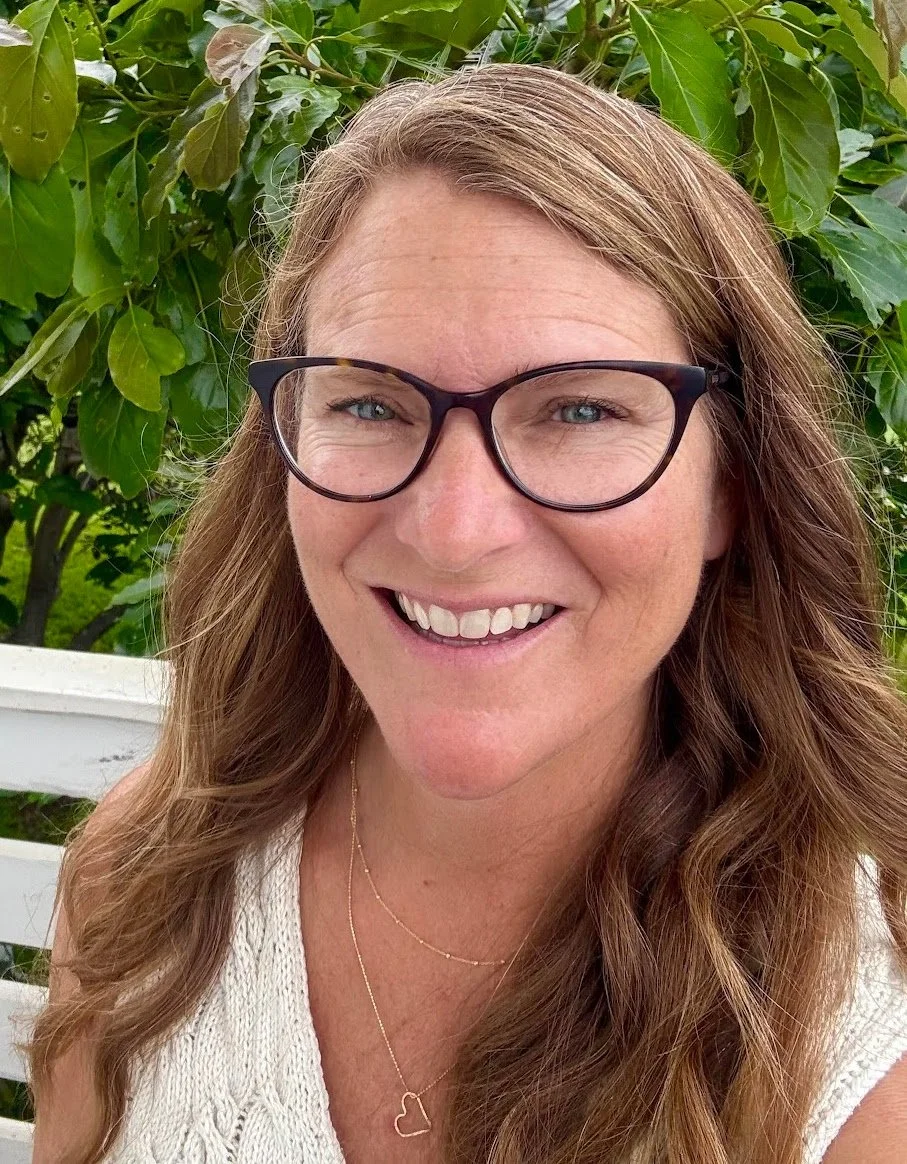
Shellie Smith is the founder, director, and co-owner of Waldorf Handwork Educators, an international initiative supporting teachers through online professional development, global conferences, and individualized mentoring. She finds profound joy in guiding and empowering handwork teachers around the world.
Shellie has taught in public, private, and homeschool settings for over 25 years. With a background in social work and elementary education, and formal training in Waldorf handwork education from the Rudolf Steiner College, She brings a rich blend of skill, heart, and experience to her work. She believes that teaching through the imagination and fostering authentic relationships are the keys to meaningful, lasting learning. Shellie is also the author and illustrator of A Twisted Tangled Tale: A Handwork Fairy Tale, a whimsical story that celebrates the magic and metaphor of the handwork journey.
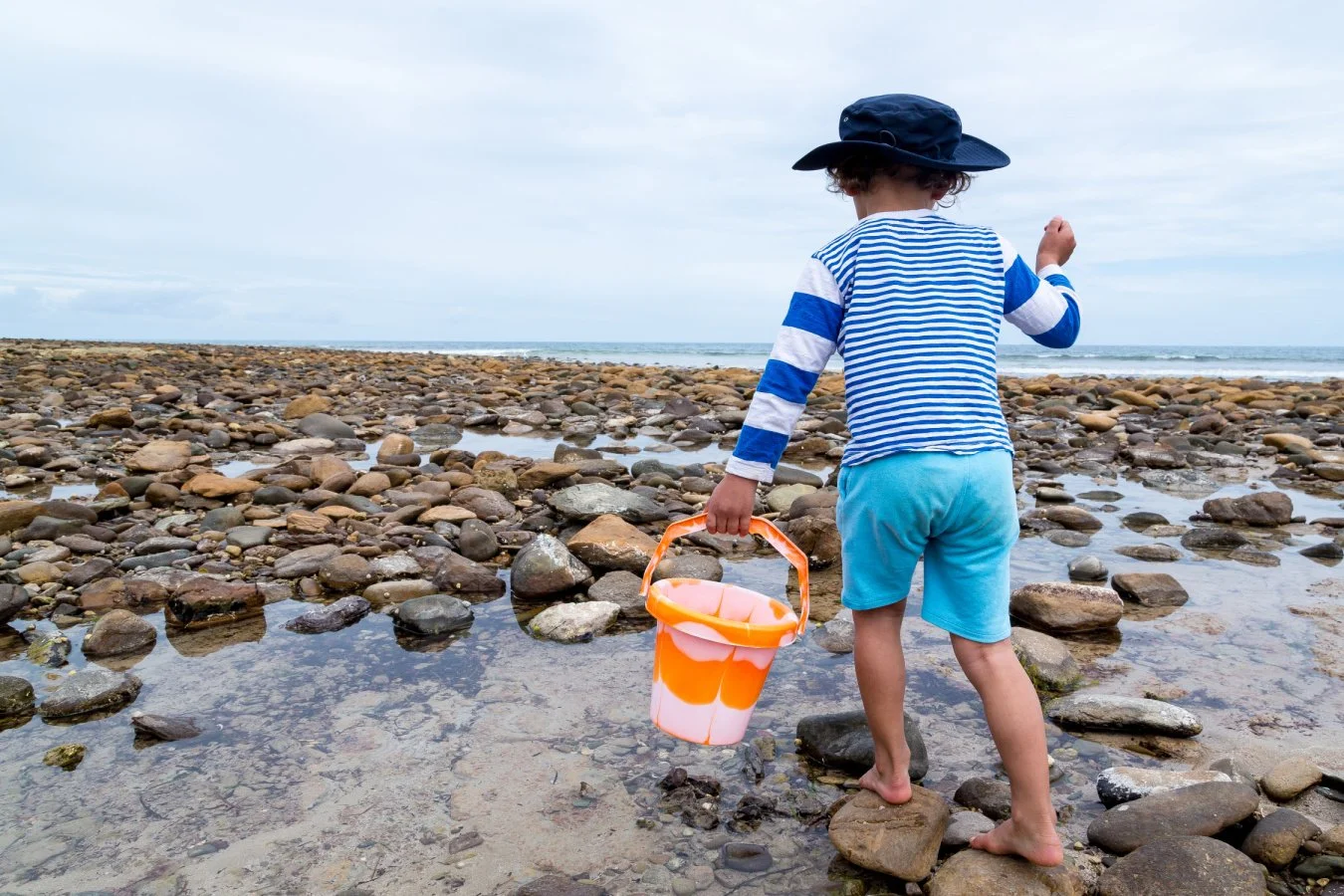
A Different Way to Think About the End of the School Year.
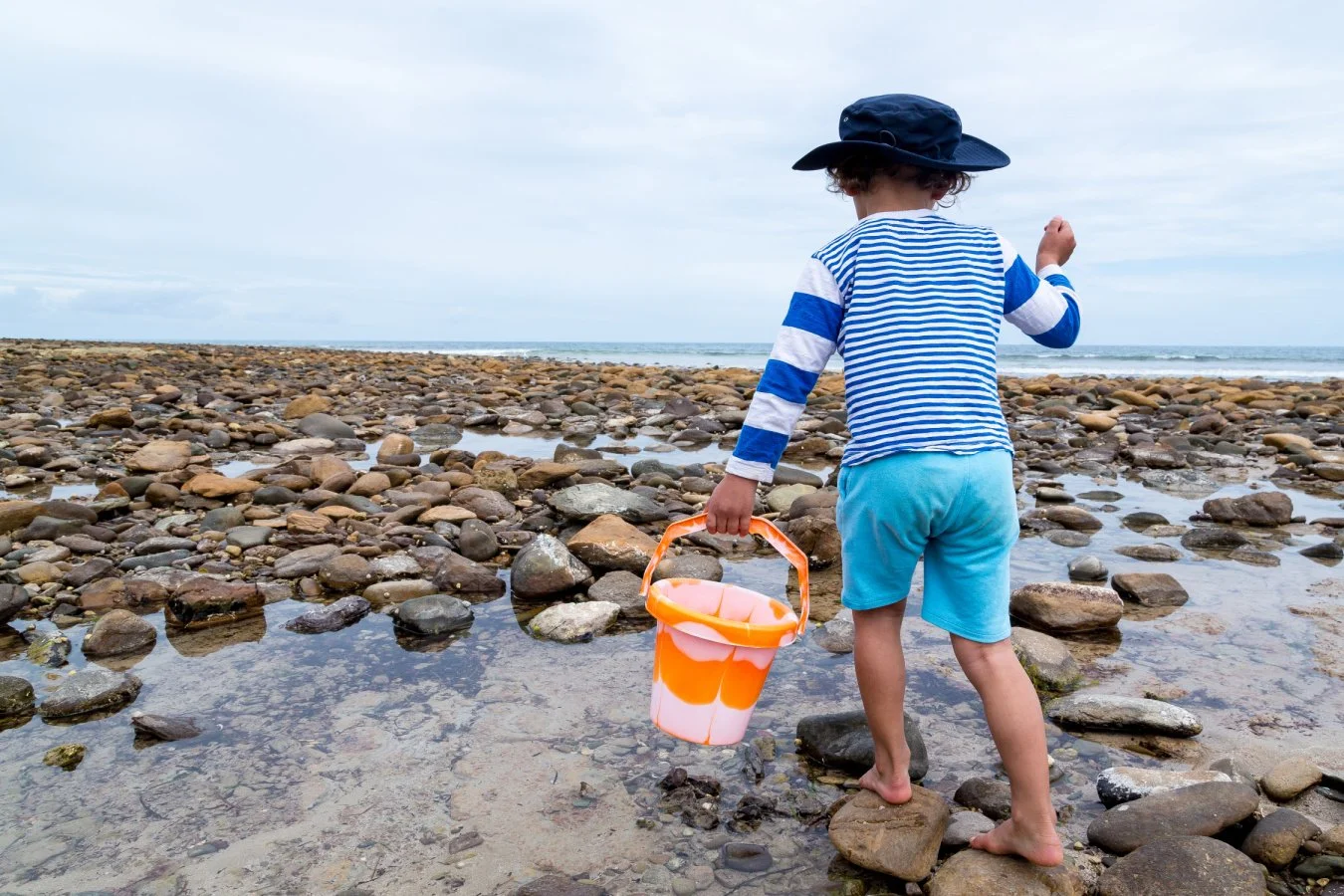
Take a moment to reframe the end of the school year.
There is a particular feeling that sometimes surfaces in the final stretch of the homeschool year. A bit of tightness. A sense of urgency. A quiet question just under the surface… have we done enough?
Sometimes, this feeling passes quickly. But sometimes, it lingers - and begins to shape how we move through these last weeks. And not always in ways that feel good.
If you’re noticing that something feels a little “off” as you approach the end of your year, it may be worth pausing - not to fix anything immediately, but simply to notice.
Here are a few gentle red flags I’ve come to look out for:
1. “We have to finish everything.”
This one can sneak in quietly.
A growing pressure to complete every lesson… to make sure nothing is left undone.
You might notice the pace picking up. Your tone shifting. Maybe your days are feeling a little more strained.
Underneath this is often a belief that coverage equals learning.
But (and, the wisest version of you already knows this) learning doesn’t unfold as a checklist.
When we prioritize completion over connection, something important can begin to slip.
Sometimes, finishing well looks less like doing everything - and more like protecting what matters most.
2. Measuring the year only by what can be seen
At this point in the year, it’s easy to look for proof. What has my child learned? What can they show for it? And when the answers feel unclear, doubt can creep in. But so much of learning - especially in a home environment - is not immediately visible.
It lives in:
growing confidence
increased resilience
a deepening relationship to learning itself
There is a version of homeschooling that quietly mirrors the systems many of us were hoping to step away from - where only measurable outcomes “count.”
But much of what matters most cannot be neatly measured.
And it is still real.
3. Everything feels heavy, but we push through anyway
Late in the year, energy naturally shifts. What once felt manageable may now feel like a stretch.
And yet, it can be tempting to respond by pushing harder - trying to maintain the same pace, the same expectations, the same load.
You might notice:
more resistance
more fatigue (for you and your child)
less joy
It’s easy to interpret this as a need for more discipline. But sometimes, it’s simply a sign that something needs to soften. Knowing when to lighten the load is not a failure of commitment. It’s part of wise, responsive teaching.
4. Letting rhythm slip in favor of urgency
When the end of the year approaches, rhythm can begin to unravel.
Days become less predictable. There’s a sense of trying to “fit it all in.” The steady flow that once supported your homeschool starts to feel harder to hold.
But rhythm isn’t just a nice idea - it’s a foundational support. Especially when energy is low. In fact, this is often when it matters most.
A simple, familiar structure can carry both you and your child when motivation fades. Not by adding more - but by holding what’s already there.
5. Reaching the end… and moving on too quickly
And then, suddenly, it’s over.
The books are closed. The materials are put away. Attention shifts to what’s next.
Without much pause to acknowledge what has been, you can be left with a quiet sense of incompleteness. Not because something was missing - but because it was never fully seen.
Closure doesn’t need to be elaborate.
But even a small moment of reflection can help bring a sense of meaning to the year. A way of saying:
Something happened here. And it mattered.
Reframe
If you recognize any of these patterns, take heart, there’s nothing here to fix or judge! These are common currents - shaped not just by our own expectations, but by the wider homeschooling culture we’re part of.
A culture that can, at times, emphasize:
productivity over presence
visible results over lived experience
And yet, many of us came to homeschooling for something different. Something slower, more human, more connected.
The end of the year can be a gentle invitation to return to that.
Finishing with Care

Finish the school year with intention and care.
Finishing well isn’t about proving something. It’s not about tying everything up neatly or arriving at a perfect endpoint.
It’s about noticing what has unfolded… honoring it… and allowing it to be enough. Even if parts are unfinished.
Especially then. Because something real has taken place over these months.
In the movement of living day by day, learning has happened.
Growth has unfolded.


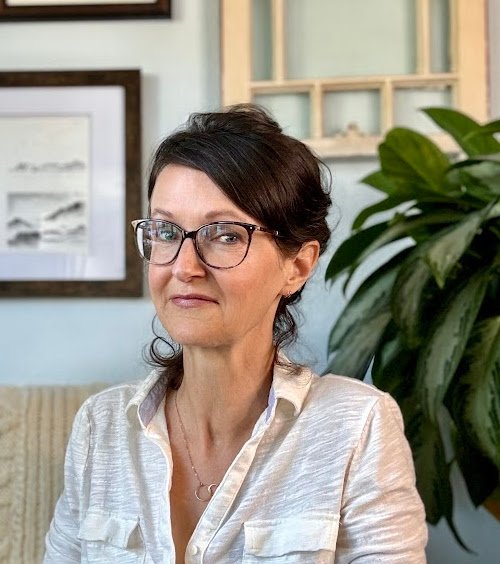
About the Author
Robyn Beaufoy is Waldorfish’s CEO, and a course instructor for some of our courses - Waldorf Art for Beginners, Weekly Art Foundations, and Simple Season. You’ll find her intuitive touches and influences throughout everything Waldorfish offers! Robyn has been in the world of education for over 25 years, with an MA in Education and a certification in Waldorf teaching - she also homeschooled both of her children. In 2012 Robyn co-founded Waldorfish.com, creating it with the vision of making Waldorf-inspired art and pedagogy more accessible, joyful, and doable for homeschoolers all over the world.
Looking for something?
Welcome to Waldorfish! We started this adventure in 2012 out of a desire to make Waldorf training more accessible to class teachers in remote locations and to homeschooling families everywhere! Read more, click here.


WE WON! Our Weekly Art courses were voted “best interactive art program.” Learn more about the award, here.


Click here for a full list of schools we work with.
A few of our most popular blog posts:
Who are our courses for?

Starting Waldorf First Grade

4 Things to Know Before Planning Your Homeschool Year

In Praise of Balance: A Healthy Festival Life
Science in Waldorf Middle School: Starting Something New!