
Waldorfish Blog

Simplifying the Holidays: A Path to Joy and Connection

Choose simplicity this season.
The holiday season is a time of celebration for many around the world, but it’s also easy for it to become a time of overwhelm.
During the months of November and December, we often find ourselves caught in a whirlwind of to-do lists, shopping, decorating, and preparing for gatherings. Whether you're celebrating Hanukkah, Kwanzaa, Christmas, Yule, or another holiday, the push to create the perfect festive experience can overshadow the deeper meaning of the season.
Here at Waldorfish, we believe that simplicity and intention are key to creating a joyful, connected holiday season. No matter which traditions you hold dear, the true magic of the holidays lies in connection, presence, and shared moments with loved ones. Here’s how we can return to the heart of the season, creating a time of peace, joy, and togetherness.
1. Reframe Gift-Giving
Gift-giving is central to many holiday traditions, from the exchanging of gifts on Christmas morning to the lighting of the Hanukkah candles alongside small, meaningful presents. But these gifts don’t have to be extravagant or numerous.
Shifting the focus from quantity to quality can bring deeper meaning to the season. Consider giving experiences vs. things.
Consider creating or exchanging handmade gifts, or sharing experiences as gifts. For example, during Kwanzaa, you might explore ways to make thoughtful, creative gifts that honor the principle of Ujamaa (cooperative economics), focusing on supporting artisans or small businesses. Whatever holiday you celebrate, the goal is the same: to give from the heart, and to embrace the joy of giving without the pressure of excess.
2. Pare Down Traditions
Many families feel the weight of multiple holiday traditions—some inherited, some newly created. If you celebrate more than one holiday, like both Yule and Christmas, the calendar can quickly become overwhelming with activities and events.
Take a step back and consider which traditions hold the most meaning for you and your family. Perhaps you keep the Solstice simple, with a family bonfire to mark the return of the light, and save other festive activities for another day. If you're celebrating Hanukkah, maybe you choose just one night to gather with extended family, making the rest of the evenings more intimate and focused on your household.
The holidays don’t have to be packed with events to be meaningful. Choose the moments that truly bring you joy, and let the others fall away.
3. Create Space for Creativity

Where can you create space for creativity this season?
Creative expression is a wonderful way to bring simplicity and connection into the holidays. No matter which holiday you’re celebrating, making time for crafts, homemade decorations, or baking can create special moments of togetherness.
You might create handmade decorations for your Christmas tree, or craft Kwanzaa kinara candles together. During Hanukkah, you could engage in simple art projects like painting dreidels or making homemade gelt (chocolate coins). For families celebrating the winter solstice, creating nature-based crafts such as wreaths or sun catchers can help bring the outdoors in and honor the season. The focus is on creativity, not perfection. These moments of making allow us to slow down and enjoy each other's company.
4. Embrace Nature
No matter which winter holiday your family celebrates, nature provides a soothing counterbalance to the busyness of the season. Taking time to connect with the natural world can ground us and help us rediscover the beauty in simplicity.
A winter walk, gathering pinecones or greenery, or simply sitting by a window to observe the changing light of the season can bring a sense of peace and calm. If you celebrate Yule, you may already incorporate elements of nature, like evergreens and candles, to honor the winter solstice. Even if nature is not a traditional part of your holiday, spending time outdoors can offer a quiet moment of reflection and renewal in the midst of the festivities
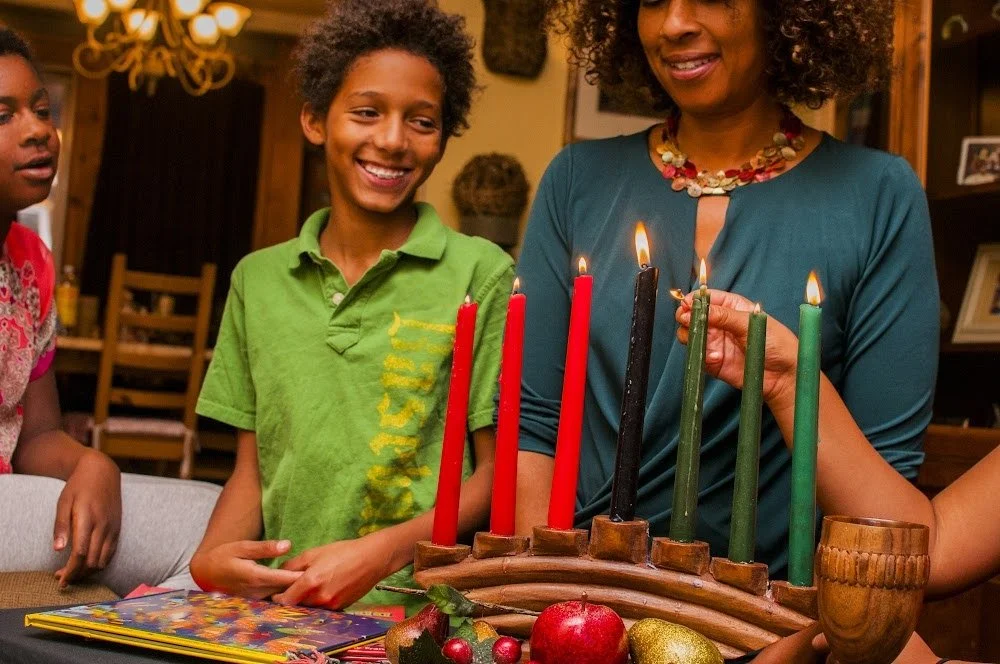
Being present is a true gift not just for yourself, but for your family!
5. Focus on Presence, Not Perfection
Whether you're lighting candles for Hanukkah, gathering for a Christmas feast, or celebrating Kwanzaa with stories and song, the pressure to create a “perfect” holiday can be immense.
But what if we let go of perfection and instead focused on being present?
When we stop striving for the flawless holiday meal or the perfectly decorated home, we create space for the true spirit of the season to emerge—connection, love, and presence. Let the kids hang their handmade ornaments, even if they don’t match the theme. Simplify the meal if it allows for more time together around the table. The holidays become more meaningful when we focus on the people we’re with rather than the pursuit of perfection.
6. Honor Rest
The holiday season often brings a sense of busy-ness, but it’s also a natural time for rest. In the colder months, nature itself slows down, inviting us to do the same.
In many traditions, the holidays are a time of reflection and renewal. The winter solstice, for example, marks the longest night of the year, a time for quiet contemplation and honoring the darkness before the return of the light. In the spirit of this, you can give yourself permission to rest during the holidays, whether it’s an afternoon nap, a quiet evening with a book, or simply a day spent at home with no plans. Rest is essential for recharging and fully enjoying the moments of celebration.

Simple and meaningful celebrations bring true JOY! to your family gatherings.
By simplifying the holidays, we create space for what truly matters—presence, connection, and creativity.
Whether you’re celebrating Christmas, Hanukkah, Kwanzaa, Yule, or any other holiday, the heart of the season remains the same: it’s a time to come together, to share joy, and to honor what’s most important in life. This year, let’s embrace simplicity and return to the essence of the holidays—one of love, peace, and togetherness.
Happy holidays from Waldorfish, where creativity and connection come first!
More from Waldorfish:




About the author:
Robyn Beaufoy is Waldorfish’s CEO, and also the course instructor for Simple Season, Waldorf Art for Beginners, and Weekly Art Foundations. You’ll find her intuitive touches and influences throughout everything Waldorfish offers! Robyn has been in the world of education for over 25 years, with an MA in Education and a certification in Waldorf teaching - she also homeschooled both of her children for some of that time. In 2012 Robyn co-founded Waldorfish.com, creating it with the vision of making Waldorf inspired-art and pedagogy more accessible, joyful, and doable for homeschoolers all over the world.

The Importance of Creativity for Caregivers: Nourishing Yourself, Nourishing Your Family
One of the most beautiful things about creativity is that it doesn’t just nourish the individual—it nourishes the whole family. When caregivers model creative self-care, it shows children and loved ones that creativity is valuable and worth making time for. It teaches them that everyone deserves time for their own passions and that creativity can be a source of joy, comfort, and expression.
Caregiving is a beautiful, meaningful role—whether you're a parent, guardian, grandparent, or teacher, tending to the needs of others is a gift of love and presence. But it’s also a role that can easily lead to exhaustion. With so much energy spent on caring for others, it’s easy to lose sight of your own well-being.
At Waldorfish, we believe that creativity isn’t just for children; it’s an essential part of a caregiver’s toolkit, too.
Creativity isn’t only about making something beautiful—it's about nourishing your spirit, maintaining balance, and reconnecting with yourself.
When we, as caregivers, honor our own creative needs, we not only feel more grounded and fulfilled but also have more energy and joy to share with those around us.

Creativity takes many different forms, and will look different for each of us.
Why Creativity Matters for Caregivers
Caregiving is deeply rewarding, but it can also be all-consuming. Between the everyday demands of running a household, supporting loved ones, and ensuring everyone’s well-being, it’s easy to let your own needs fall to the wayside. That’s where creativity comes in—it’s not just a hobby or something to do in your free time (if you had any!). Creativity is a form of self-care.

Creative projects help re-charge your battery!
When you carve out even small moments to engage in creative activities, you’re nourishing yourself on a deeper level. Whether it's painting, gardening, knitting, writing, or simply doodling, creative expression gives you a chance to shift your focus from the external world to your inner world. It’s an opportunity to pause, to breathe, and to reconnect with yourself—something that is essential for maintaining your well-being as a caregiver.
Just like the old saying, “You can’t pour from an empty cup,” you can’t fully show up for your loved ones when you’re running on empty. Creativity fills that cup, offering you a way to recharge and find joy in the everyday. And when you’re filled up with joy and energy, that light naturally spills over into your family life!
Creativity as a Path to Self-Compassion
As caregivers, we often set high expectations for ourselves, striving to be everything for everyone. But creativity invites us to let go of perfection and embrace the process. When you engage in creative activities, it’s not about the end result—it’s about the experience of creating. You’re giving yourself permission to try something new, make mistakes, and simply enjoy the act of making.
This practice of creativity can lead to greater self-compassion, something every caregiver needs. It reminds us that it’s okay not to be perfect, that it’s okay to take time for ourselves. When we approach our creative practices with curiosity and kindness, we extend that same gentleness to ourselves in other areas of life.
The Ripple Effect: Creativity as Connection

One of the most beautiful things about creativity is that it doesn’t just nourish the individual—it nourishes the whole family. When caregivers model creative self-care, it shows children and loved ones that creativity is valuable and worth making time for. It teaches them that everyone deserves time for their own passions and that creativity can be a source of joy, comfort, and expression.
Imagine your children seeing you take time for a simple watercolor painting session, or knitting while you sip tea. They will witness that taking time for yourself is part of a healthy, balanced life—and they may even join in! Family creativity time doesn’t have to be structured or complicated. It can be as simple as drawing alongside each other, making seasonal crafts, or baking something together. These moments of shared creativity become opportunities for connection and joy.
Making Time for Creativity as a Caregiver

Projects that can easily be picked up and put down again are ideal if your time is limited.
We know that as a caregiver, time is often your most limited resource. Between work, household responsibilities, and caregiving itself, finding time for creativity can feel impossible. That’s why it’s important to remember that creative self-care doesn’t need to take hours of your day. Even a few minutes spent journaling, doodling, or crafting can provide a mental and emotional reset.
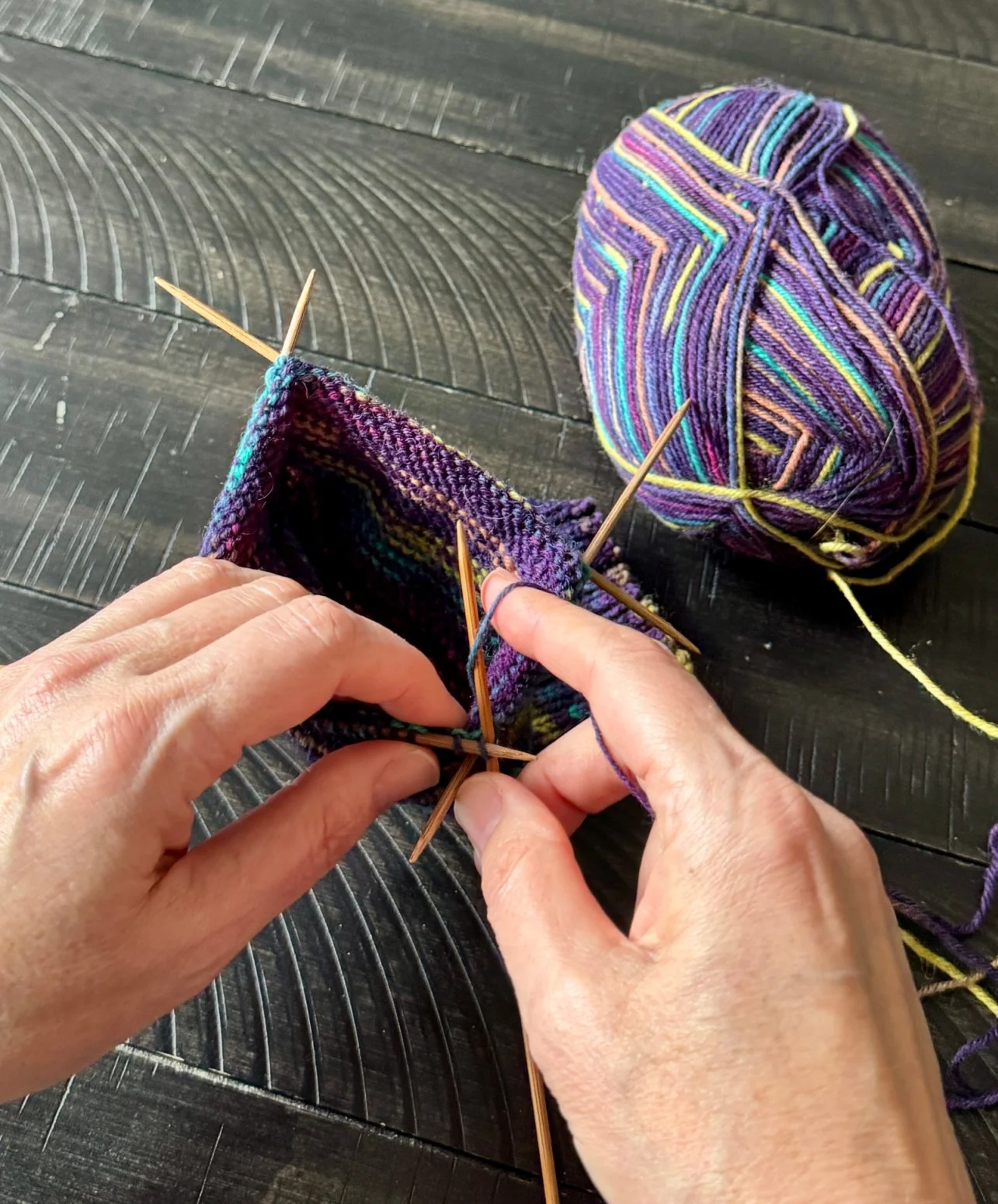
Start by looking for small pockets of time in your day. Maybe it’s during nap time, or in the quiet moments before bed. Keep your creative supplies easily accessible—a sketchbook on the kitchen counter, knitting needles by your favorite chair, or a few jars of paint on the shelf. These simple reminders can encourage you to make creativity a natural part of your day, rather than something that has to be planned or scheduled.
Ready to Reconnect with Your Creativity?
If you’re feeling the pull to rediscover your creative self, we’ve created something just for you (well, it’s really for us too!) Our Simple Season course is designed specifically for caregivers who want to nurture their own creativity while still caring for their families.
This course offers gentle guidance and easy-to-follow watercolor painting lessons that fit into even the busiest of schedules. You just need to bring a willingness to play, explore, and make space for your own creative expression!
Remember, when you care for yourself, you care for your family. By making time for creativity, you’ll feel more grounded, energized, and ready to pour love back into your caregiving role.
If you’re ready to reconnect with your creative self, we invite you to explore Simple Season and see how creativity can bring more joy into your everyday life.
About the author:
Robyn Beaufoy is Waldorfish’s CEO, and also the course instructor for Simple Season, Waldorf Art for Beginners, and Weekly Art Foundations. You’ll find her intuitive touches and influences throughout everything Waldorfish offers! Robyn has been in the world of education for over 25 years, with an MA in Education and a certification in Waldorf teaching - she also homeschooled both of her children for some of that time. In 2012 Robyn co-founded Waldorfish.com, creating it with the vision of making Waldorf inspired-art and pedagogy more accessible, joyful, and doable for homeschoolers all over the world.

More from Waldorfish:



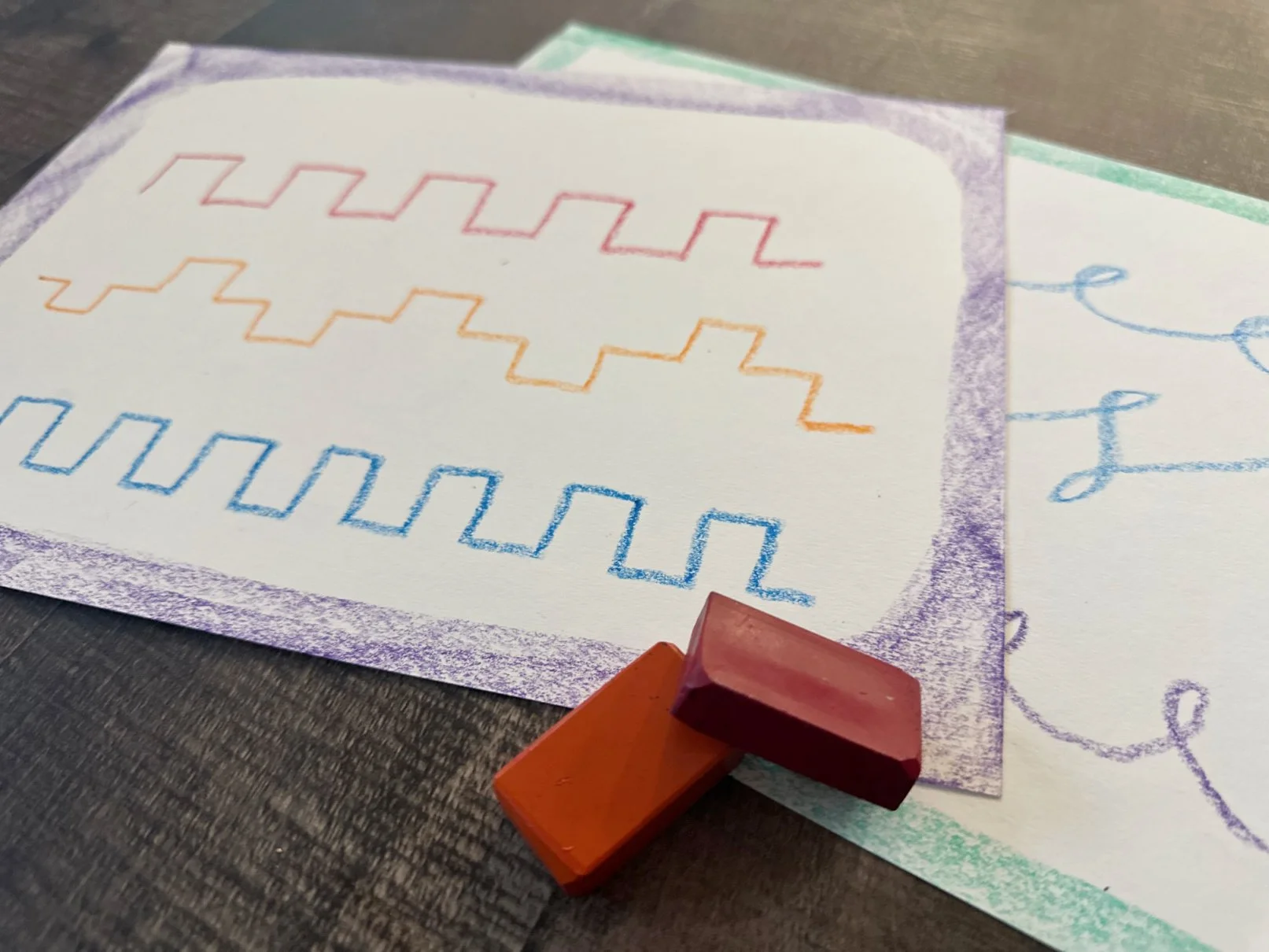
Waldorf Form Drawing: My child wants to turn all their form drawings into pictures - is this ok?
Waldorf form drawing is a subject that requires regular practice. This can mean drawing on a chalkboard, on the sidewalk, in sand, or on paper!

Form drawing can be an inspirations for all kinds of creative illustrations!
The activity of drawing forms generates a portfolio of practice and more finished forms, from running forms in first grade, all the way up to woven forms in fourth grade.
As the educator presents these forms through imagination and stories, children tend to see forms as great potential for drawings and unique artwork. The running form could be a slithering snake; mirror forms are a butterfly in progress; the vertical line form is an unfinished fence for sheep. The possibilities for drawings made from form drawings are endless!
Should children take their forms and turn them into drawings? Is it part of the form drawing experience? These are great questions to consider!
The short answer: yes, it is perfectly fine for a child to turn their form drawings into unique and artistic pictures, however, this activity is separate from what form drawing brings to a child’s development and educational experience.
Form drawing and drawing pictures from forms are two separate processes, and it is important for the educator to keep them independent of each other.
Be sure to keep the form drawing practice as a stand-alone activity.
Take the time to fully introduce the form through story or image. Practice forms in a rhythmical, regular way, and remember that practice is by far the most important process of the form drawing. Hold the thread of the intentional practice to the end, so that the child can fully experience the form and all that it is meant to bring to their developmental growth.
When that process is fully complete, and the particular form has been put to rest, it is then a wonderful activity to take the forms and use them as the foundations to imaginative artwork.
Practice, enjoy, and create!


About the Authors
Robyn Beaufoy is Waldorfish’s CEO, and also a course instructor for Simple Season, Waldorf Art for Beginners, and Weekly Art Foundations. You’ll find her intuitive touches and influences throughout everything Waldorfish offers! Robyn has been in the world of education for over 25 years, with an MA in Education and a certification in Waldorf teaching - she also homeschooled both of her children for some of that time. In 2012 Robyn co-founded Waldorfish.com, creating it with the vision of making Waldorf inspired-art and pedagogy more accessible, joyful, and doable for homeschoolers all over the world.
Caitlin Amajor is Waldorfish’s course instructor for Geometry grades 5 & 6, and Botany, as well as our Administrative Assistant. From a young age, Caitlin has been immersed in Waldorf education, attending a Waldorf school from K-8. After receiving a BA in History, Caitlin gained her certification in Waldorf teaching, and spent seven years as a Waldorf class teacher in the upper grades. With a special fondness for watercolor painting and geometry, Caitlin loves bringing Waldorf education to her students all over the world, and seeing their own individuality and style bloom from the curriculum!
Waldorf 5th Grade Geometry Curriculum: Building a Strong Foundation

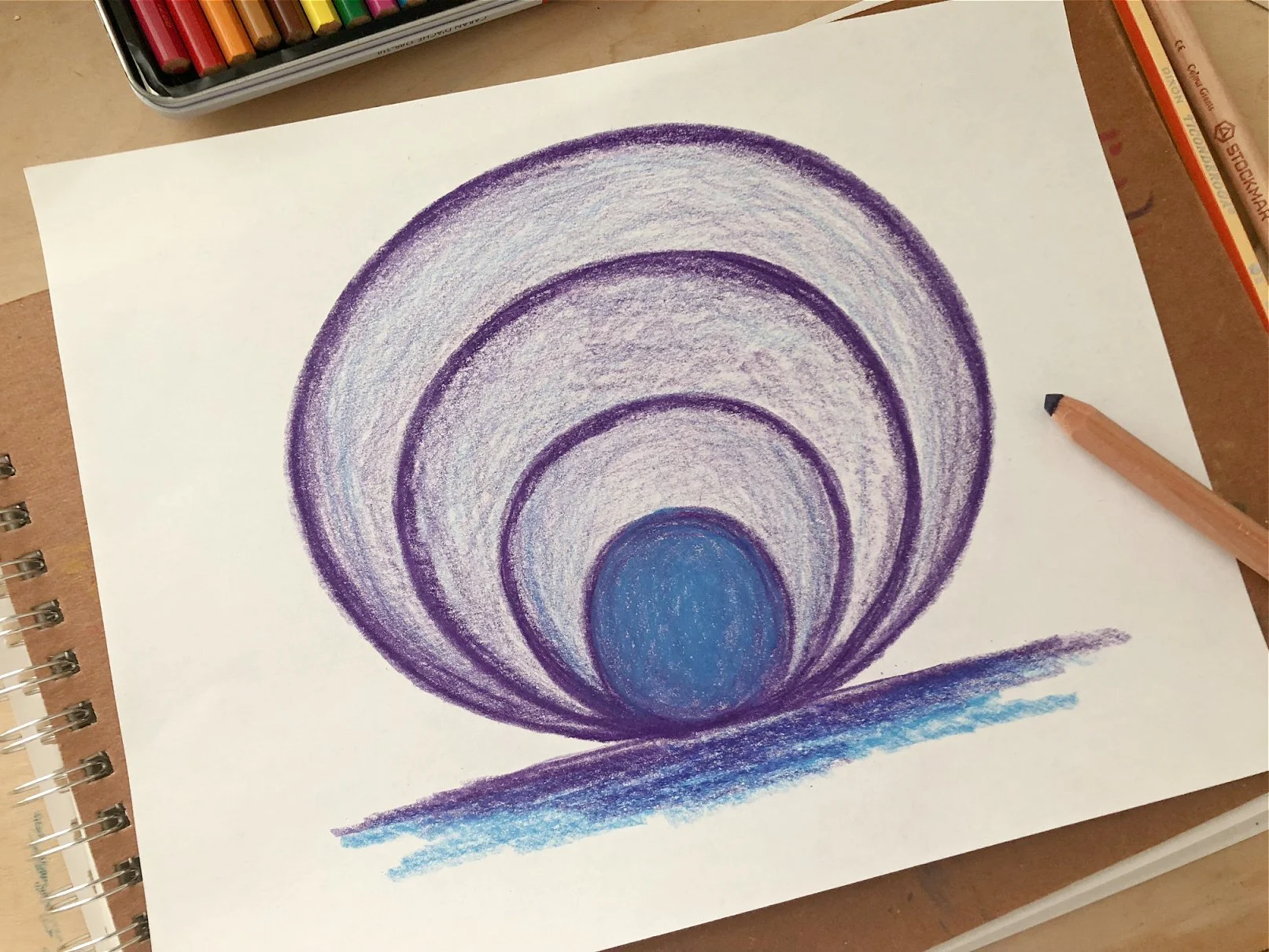
A freehand geometric form of growing circles.
In Waldorf curriculum, fifth grade marks the beginning of geometry studies.
Thus far, students have built their understanding of forms through Form Drawing lessons and their abilities in spatial awareness, pencil grip, balance and symmetry have grown through those experiences.
In fifth grade, it's time to jump into Geometry, and begin exploring its foundations!
The fifth grade child is in a particularly special time in childhood, often referred to as the “golden age.” Physically, they are balanced and graceful; stronger and more sure in their movements than that of a young child, and without the awkwardness that often marks the physicality of a teenager.
Inwardly, they are uniquely in-between the magic of early childhood and the realism of middle school. They are discovering a newfound curiosity and desire to understand how the world works in the present and what has happened in the past – all while finding beauty and magic in every aspect.
Finding beauty in truth- the fifth grader is ready to explore geometry!
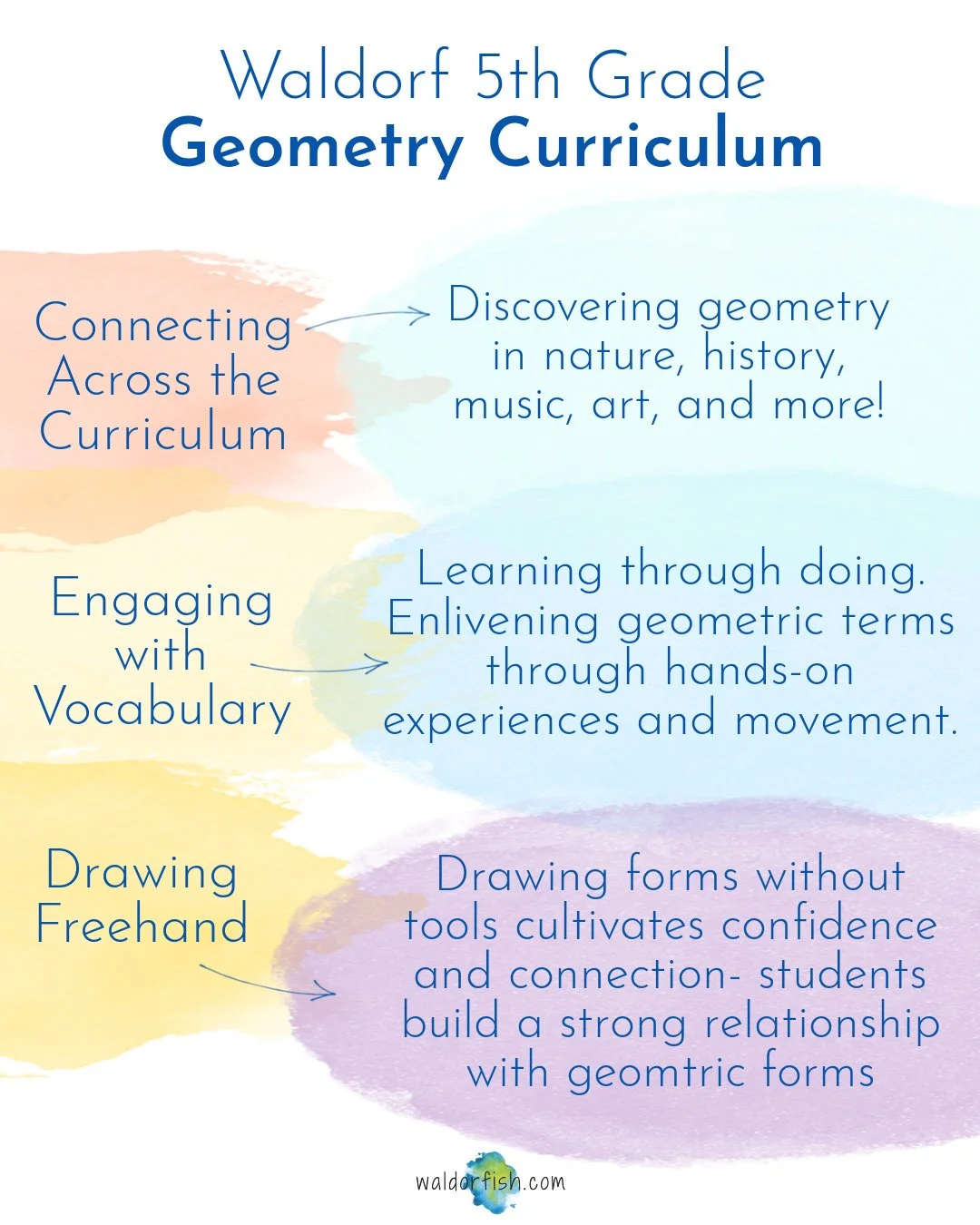
Fifth grade geometry curriculum is rich, challenging, and fun!
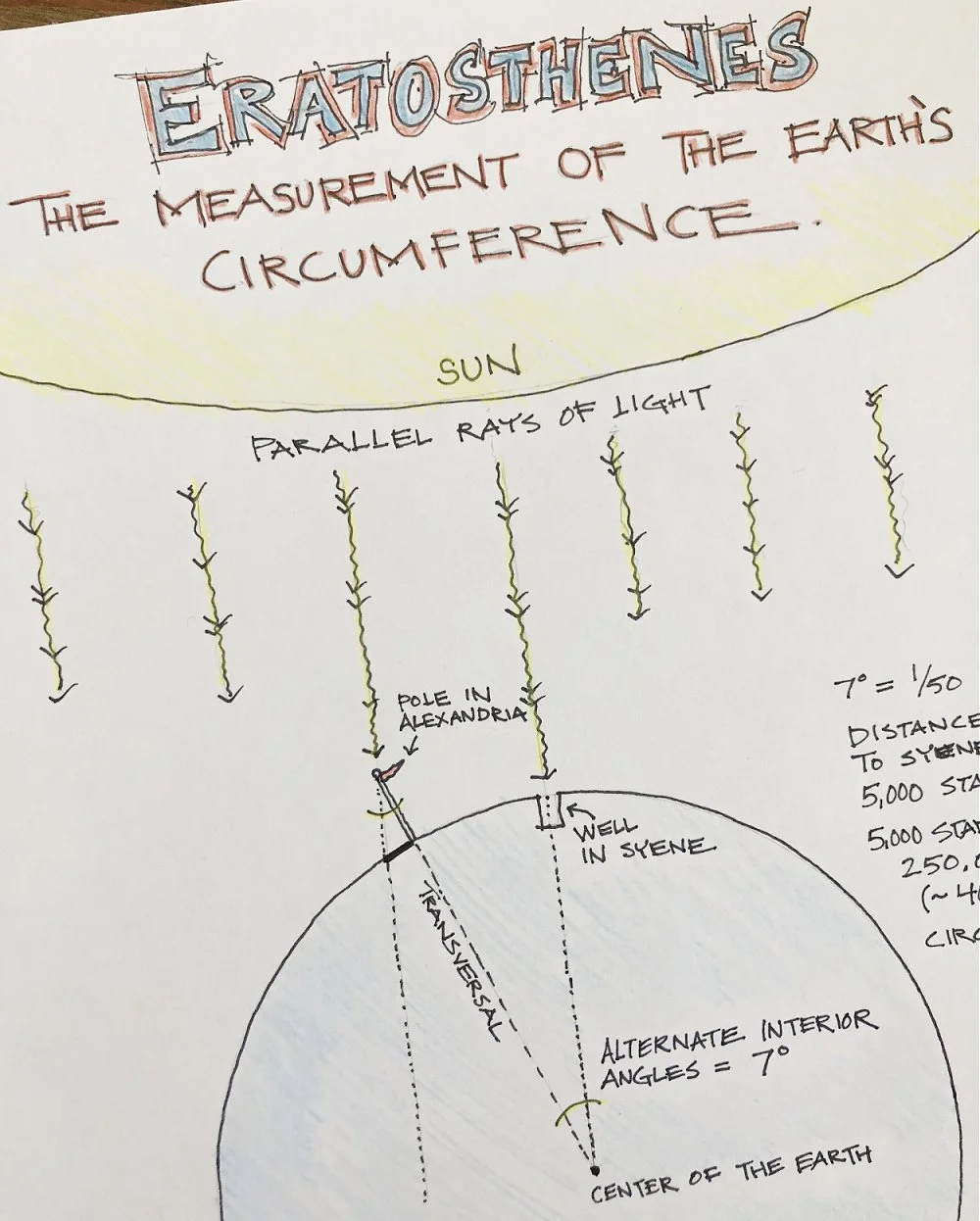
Geometry is everywhere, and one aspect of the fifth grade curriculum is finding geometry in nature, history, and all around us! The pyramids of ancient Egypt, the columns of ancient Greece, petals on blooming plants in Botany, exploring the patterns of music: geometry fits into all these subjects in various ways. Fifth graders have a fascination for the world around them, and finding geometry in different and unexpected places cultivates an appreciation and sense of wonder for the subject.
With geometry comes a whole new set of vocabulary and meanings, and it is important that the fifth grader explores these in a way that feels alive and engaging.
Instead of simply memorizing terms and definitions, vocabulary can be explored through movement and hands-on experiences to forge connections. For example, instead of discussing what “circumference” means, a fifth grader may walk the circumference of a large circle drawn with chalk. A “diameter” and “radius” can be created with popsicle sticks; quadrilaterals can be compared through a dramatic skit about the evolution of angles and sides. The fifth grader gains true understanding of vocabulary through doing, exploring, and connecting.
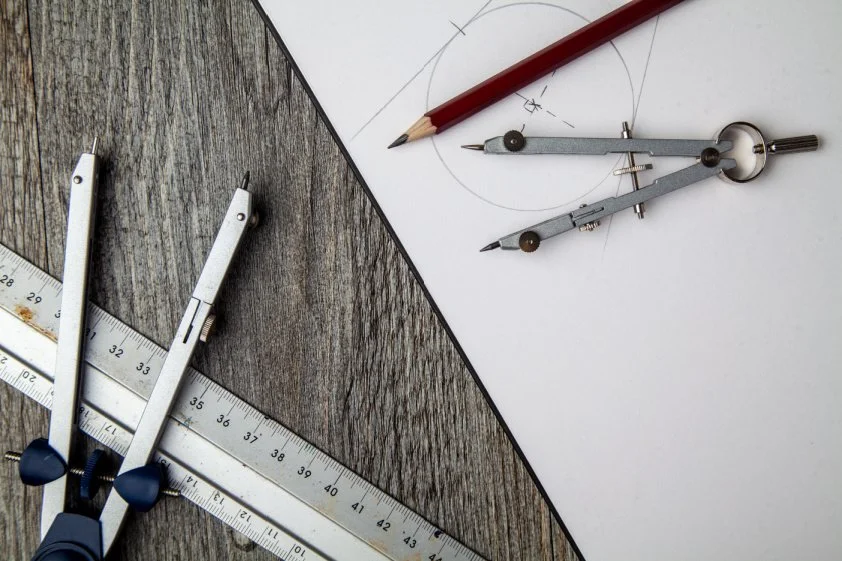
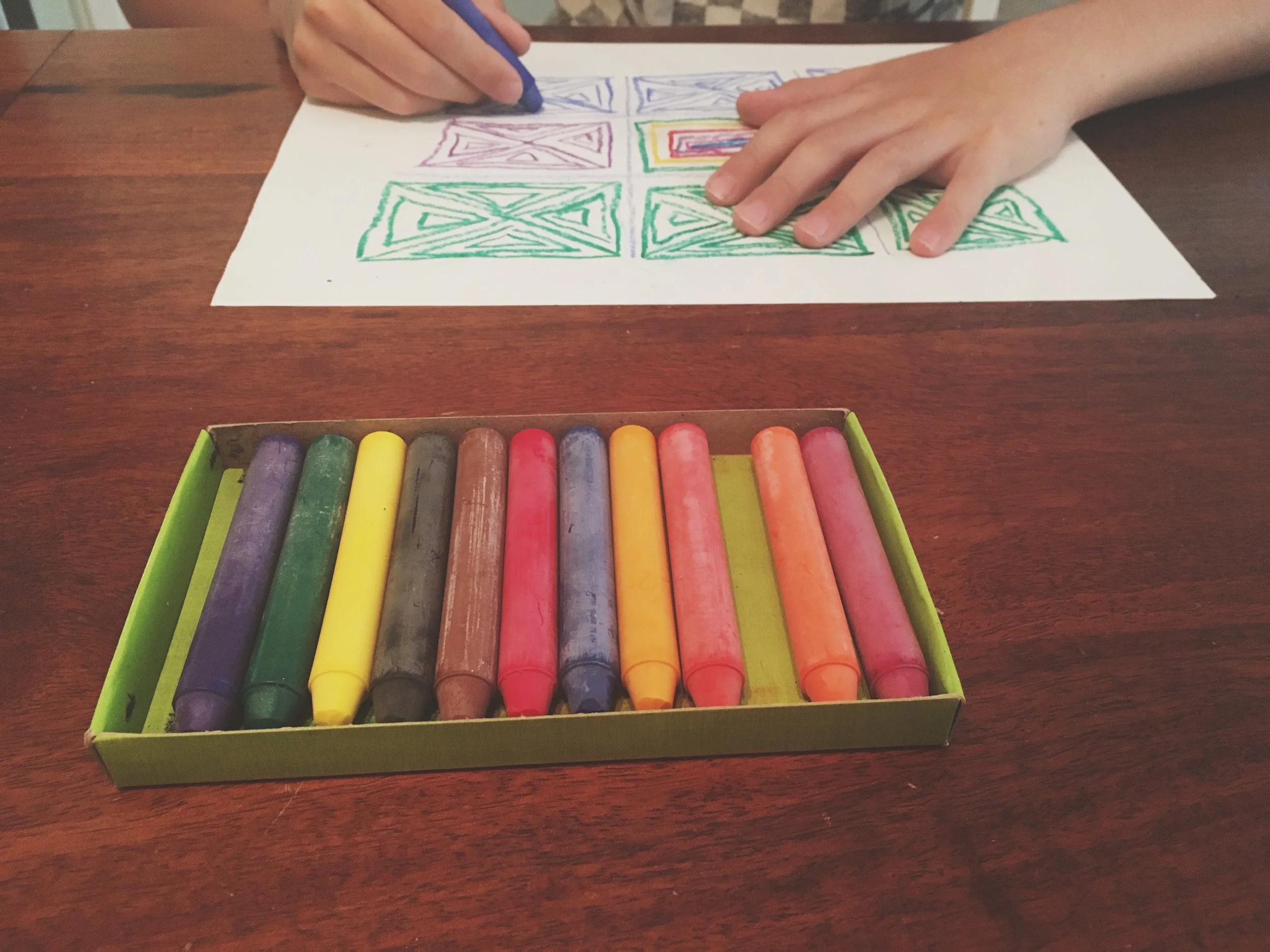
Drawing freehand is a key aspect of the fifth grade curriculum- no tools just yet, as those will be introduced in sixth grade. The fifth grader is experiencing a balance and symmetry in their own physical bodies and inner life that will soon change through puberty, so it is a truly perfect time to cultivate their relationship with geometry without leaning on anything other than their own skills and abilities.

Drawing freehand is all about practice and improvement- not perfection!
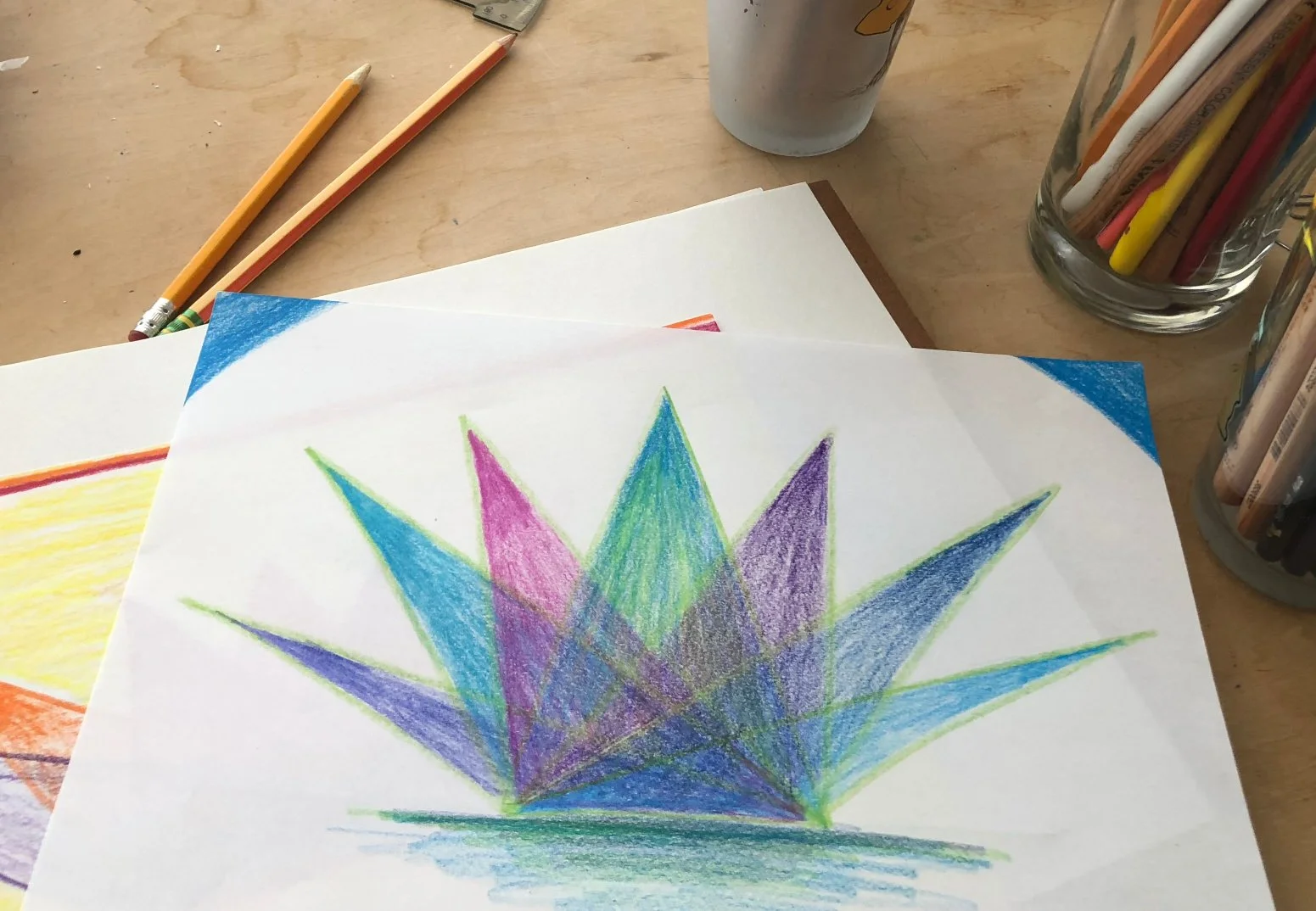
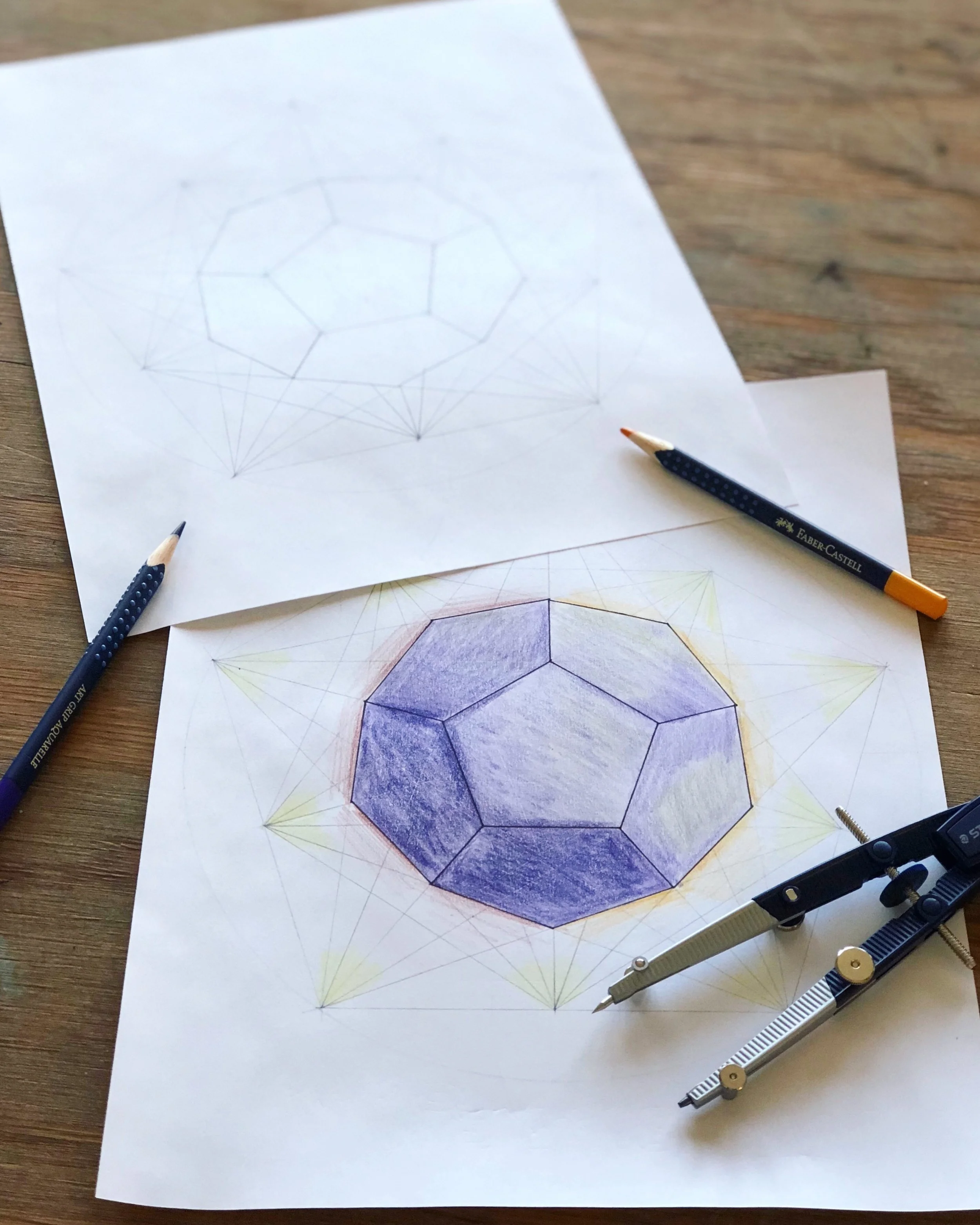
With finding geometry in nature and experiencing its language through doing, the fifth grader dives into drawing forms. Variations of triangles, circles, and quadrilaterals are drawn throughout many practice sessions, all culminating in a “final form” which is beautifully shaded and created with care and effort.
In a practical sense, the practice of drawing builds their capacities in creating geometric forms that are accurate and balanced. As well, drawing freehand connects the child with geometry on a deep soul level, because they have experienced it in a direct and organic way.
Geometry curriculum evolves with the growing child as they progress through middle school and beyond. The sixth grader will learn to use tools, the seventh grader finds patterns and sequences, and the eighth grader shifts their thinking into the abstract and 3D world.
But to move forward into the upper grades and the ever more complex world of geometry, the student needs a strong and true foundation that is cultivated through the fifth grade curriculum.
Are you looking to bring freehand geometry into your homeschool classroom? We can help!
Click here to learn more about our course that provides a full year’s worth of geometry curriculum for the growing fifth grader.



About the Authors
Robyn Beaufoy is Waldorfish’s CEO, and also a course instructor for Simple Season (coming soon!), Waldorf Art for Beginners, and Weekly Art Foundations. You’ll find her intuitive touches and influences throughout everything Waldorfish offers. Robyn has been in the world of education for over 25 years, with an MA in Education and a certification in Waldorf teaching - she also homeschooled both of her children for some of that time. In 2012 Robyn co-founded Waldorfish.com, creating it with the vision of making Waldorf inspired-art and pedagogy more accessible, joyful, and doable for homeschoolers all over the world.
Caitlin Amajor is Waldorfish’s course instructor for Geometry grades 5 & 6, and Botany, as well as our Administrative Assistant. From a young age, Caitlin has been immersed in Waldorf education, attending a Waldorf school from K-8. After receiving a BA in History, Caitlin gained her certification in Waldorf teaching, and spent seven years as a Waldorf class teacher in the upper grades. With a special fondness for watercolor painting and geometry, Caitlin loves bringing Waldorf education to her students all over the world, and seeing their own individuality and style bloom from the curriculum!
Looking for something?
Welcome to Waldorfish! We started this adventure in 2012 out of a desire to make Waldorf training more accessible to class teachers in remote locations and to homeschooling families everywhere! Read more, click here.



WE WON! Our Weekly Art courses were voted “best interactive art program.” Learn more about the award, here.


Click here for a full list of schools we work with.
A few of our most popular blog posts:
Who are our courses for?

Starting Waldorf First Grade

4 Things to Know Before Planning Your Homeschool Year

In Praise of Balance: A Healthy Festival Life
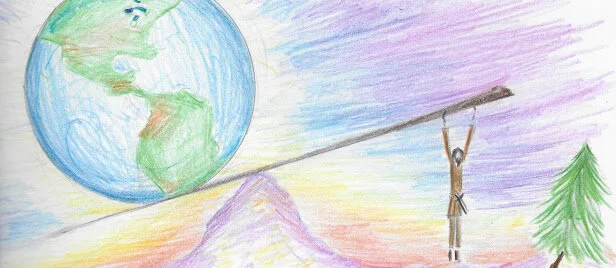
Science in Waldorf Middle School: Starting Something New!