
Waldorfish Blog

Learning through Recreating: What studying great artists has to teach us.
An important aspect of middle school art curriculum in Waldorf Education is providing opportunities for students to find their own artistic style.
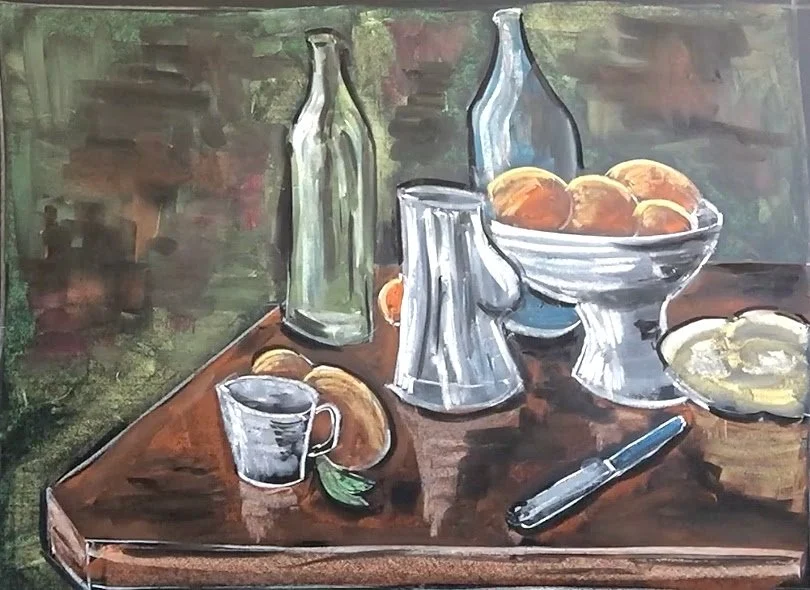
A Matisse-inspired still life chalk drawing from our Weekly Art Foundations course.
One of the best ways to do this? Recreate the works of great artists from the past!
We realize this may sound counterintuitive; how can copying artwork from another artist help a middle schooler find their own style - isn’t it stifling their creativity?
In Waldorf education, the practice of studying and emulating master artists aligns beautifully with its holistic, experiential approach to learning. Learning through imitation lays a strong foundation for creative expression!
The imitation is not about rigid replication but about deeply experiencing artistic techniques, composition, and color in a hands-on way.
Just as a young musician learns by playing classical pieces before composing their own music, young artists build confidence and skill by studying the masters.
Just as so much of the Waldorf curriculum does in 7th grade, we take our cues from the artists of the Renaissance. When the artistic world was expanding quickly and household names such as Leonardo di Vinci, Michelangelo and Raphael were in their creative primes, one of the ways hopeful apprentices learned was to recreate the style, technique and subjects of these (and other) artists. This method aligns with the Waldorf developmental principle that learning is most effective when it is embodied and experienced.
Through the process of copying entire great works of art or specific techniques individually, students learn foundational skills required to create a beautiful and complete piece.

A chalk drawing inspired by Monet’s “Water Lilies” series, from our Weekly Art Foundations course.
From setting the base, finding the most pleasing composition, and mixing colors, studying the masters serves as a stepping stone to personal artistic expression.
As we have discovered again and again, a strong foundation provides the confidence and ability to branch out and find one’s own style; copying masterworks isn’t just about technique—it engages the hands, heart, and mind.
Waldorf education seeks to cultivate the whole child, and working with master artists' techniques allows students to feel the art, not just analyze it.
Recreating an artist’s work is the epitome of learning through doing, which is what Waldorf education is all about!
In our art courses, we include various lessons that do just this: take a well-known artist’s work and techniques, and recreate them. From Claude Monet to Alma Thomas, Vincent van Gogh, to figure drawing as Michaelangelo once did, our courses draw on inspiration from great artists of the past and awaken our students’ own creative forces in a deeply meaningful way.

About the Authors
Robyn Beaufoy is Waldorfish’s CEO, and also a course instructor for Simple Season, Waldorf Art for Beginners, and Weekly Art Foundations. You’ll find her intuitive touches and influences throughout everything Waldorfish offers. Robyn has been in the world of education for over 25 years, with an MA in Education and a certification in Waldorf teaching - she also homeschooled both of her children for some of that time. In 2012 Robyn co-founded Waldorfish.com, creating it with the vision of making Waldorf inspired-art and pedagogy more accessible, joyful, and doable for homeschoolers all over the world.
Caitlin Amajor is Waldorfish’s course instructor for Geometry grades 5 & 6, and Botany, as well as our Administrative Assistant. From a young age, Caitlin has been immersed in Waldorf education, attending a Waldorf school from K-8. After receiving a BA in History, Caitlin gained her certification in Waldorf teaching, and spent seven years as a Waldorf class teacher in the upper grades. With a special fondness for watercolor painting and geometry, Caitlin loves bringing Waldorf education to her students all over the world, and seeing their own individuality and style bloom from the curriculum!
More from Waldorfish!




Waldorf 5th Grade: Weaving Geometry Throughout the Curriculum

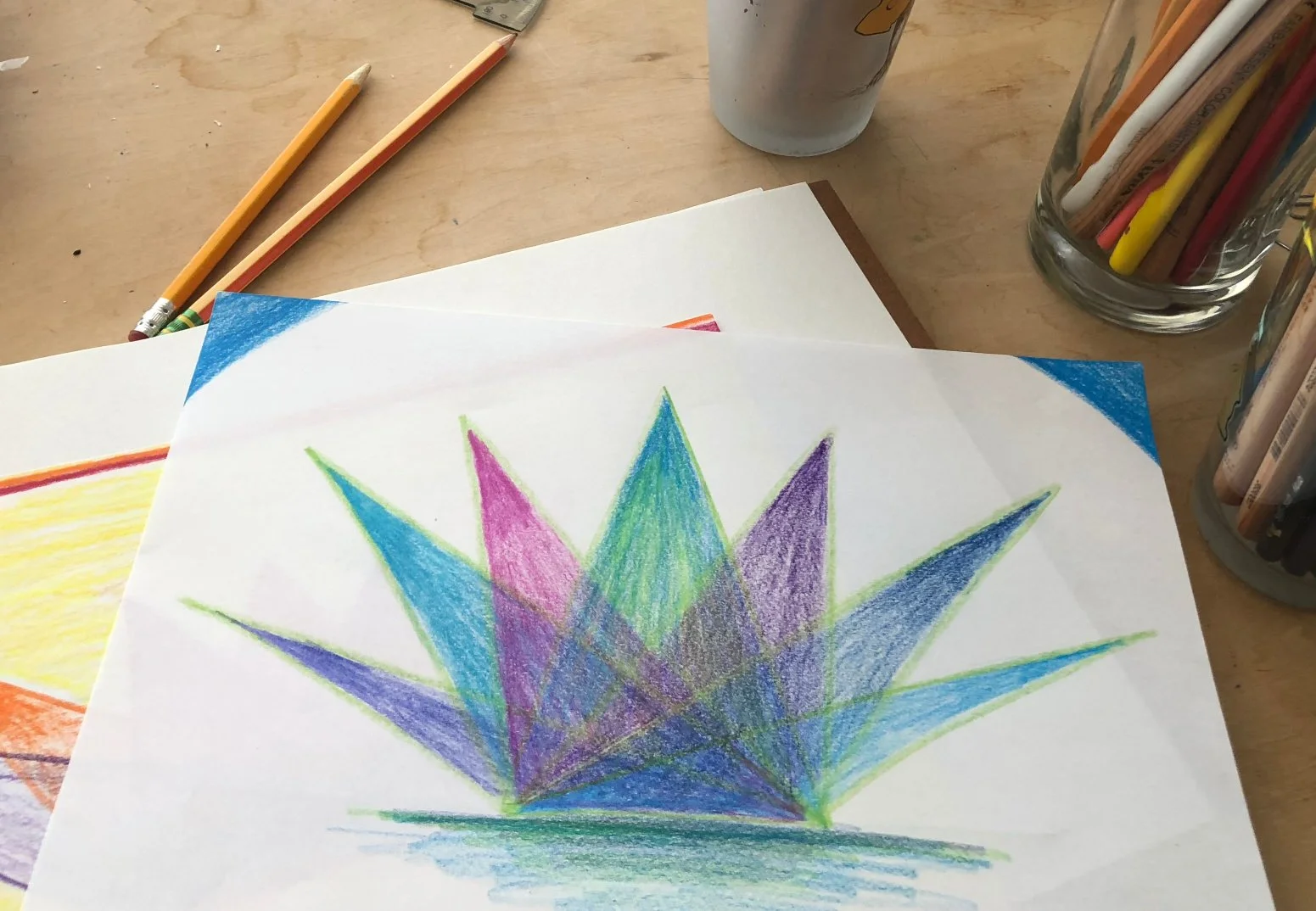
“The Crown” form found in our grade five geometry course.
Waldorf fifth grade curriculum includes a variety of subjects to explore.
It is particularly exciting because it is the first year history and science are introduced as stand-alone areas of study. Ancient Civilizations, Greek Mythologies and History, Botany, Decimals, and much more are explored using a variety of approaches, including (but not limited to!) art, music, and story.
One of our favorite aspects of the fifth grade curriculum is Geometry. Through a freehand approach, the fifth grader builds a strong relationship to geometry within their own bodies, and is prepared for the more complex work with tools that they will experience in sixth grade.
Geometry can be taught in block form in fifth grade (where the lessons are taught every school day over a three or four week period) and/or can also be sprinkled in throughout the school year - it is an ideal subject to be woven into other aspects of the curriculum.
Geometry fits in just about everywhere in the fifth grade year- here are several suggestions if you’re interested in weaving it all together:
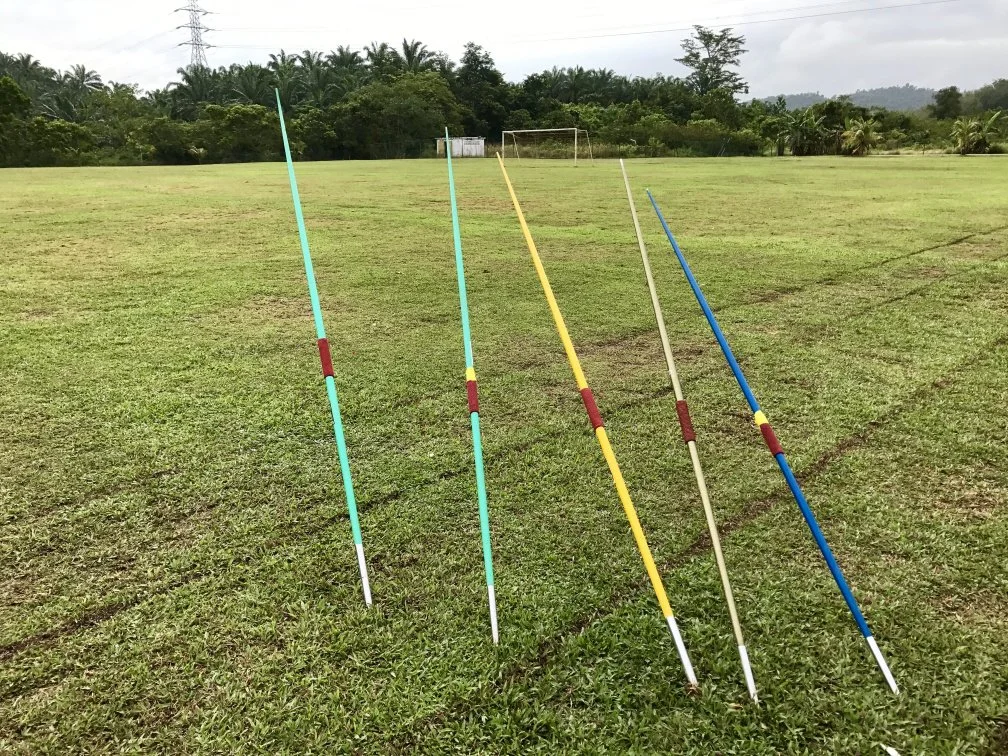
Javelin throwing is a big part of the Pentathlon and can be a full-body way of exploring parallel lines, angles, arcs, and much more from the geometry curriculum!
Greek history: Greek architecture and art is filled with familiar forms that are found all throughout geometry in fifth grade and will also bring back an opportunity to review form drawing as well.
Movement: As students prepare for the Waldorf Pentathlon (a common activity for fifth graders), students and educators can explore the geometry behind movement. Angles of the javelin throw, symmetry in running strides, and the circular motion in discus throwing all connect back to geometry in a real-world way.
Botany: Flowers and leaves unfurl, bloom, and structure themselves in beautiful patterns naturally! Take the time to find these patterns through nature sketching, or on a hike, and discover just how orderly nature really is.
Ancient Civilizations: Mandalas evoke the beauty of Ancient India, the sculpture and carvings of Ancient Persia have repeating patterns- there is endless inspiration here for things to be created on main lesson book pages and other artwork!
Map drawing: Fifth grade is a wonderful time to bring in a more strategic and skillful approach to map drawing by using freehand grids. Maps can be drawn of students’ home towns, countries, ancient kingdoms, and much more.
One of the most beautiful aspects of Waldorf Education is how various subjects seamlessly weave into each other, and geometry is no exception!
Math into art, history into nature studies, music into movement- the possibilities are endless when it comes to creating a rich tapestry with the fifth grade curriculum.
Explore our blog!


About the Authors
Robyn Beaufoy is Waldorfish’s CEO, and also a course instructor for Simple Season,, Waldorf Art for Beginners, and Weekly Art Foundations. You’ll find her intuitive touches and influences throughout everything Waldorfish offers. Robyn has been in the world of education for over 25 years, with an MA in Education and a certification in Waldorf teaching - she also homeschooled both of her children for some of that time. In 2012 Robyn co-founded Waldorfish.com, creating it with the vision of making Waldorf inspired-art and pedagogy more accessible, joyful, and doable for homeschoolers all over the world.
Caitlin Amajor is Waldorfish’s course instructor for Geometry grades 5 & 6, and Botany, as well as our Administrative Assistant. From a young age, Caitlin has been immersed in Waldorf education, attending a Waldorf school from K-8. After receiving a BA in History, Caitlin gained her certification in Waldorf teaching, and spent seven years as a Waldorf class teacher in the upper grades. With a special fondness for watercolor painting and geometry, Caitlin loves bringing Waldorf education to her students all over the world, and seeing their own individuality and style bloom from the curriculum!

Waldorf Painting Curriculum FAQ’s: How Often Should I Paint with My Lower Grades Child?
Watercolor painting is a staple of Waldorf curriculum, especially in the lower grades (1-4).
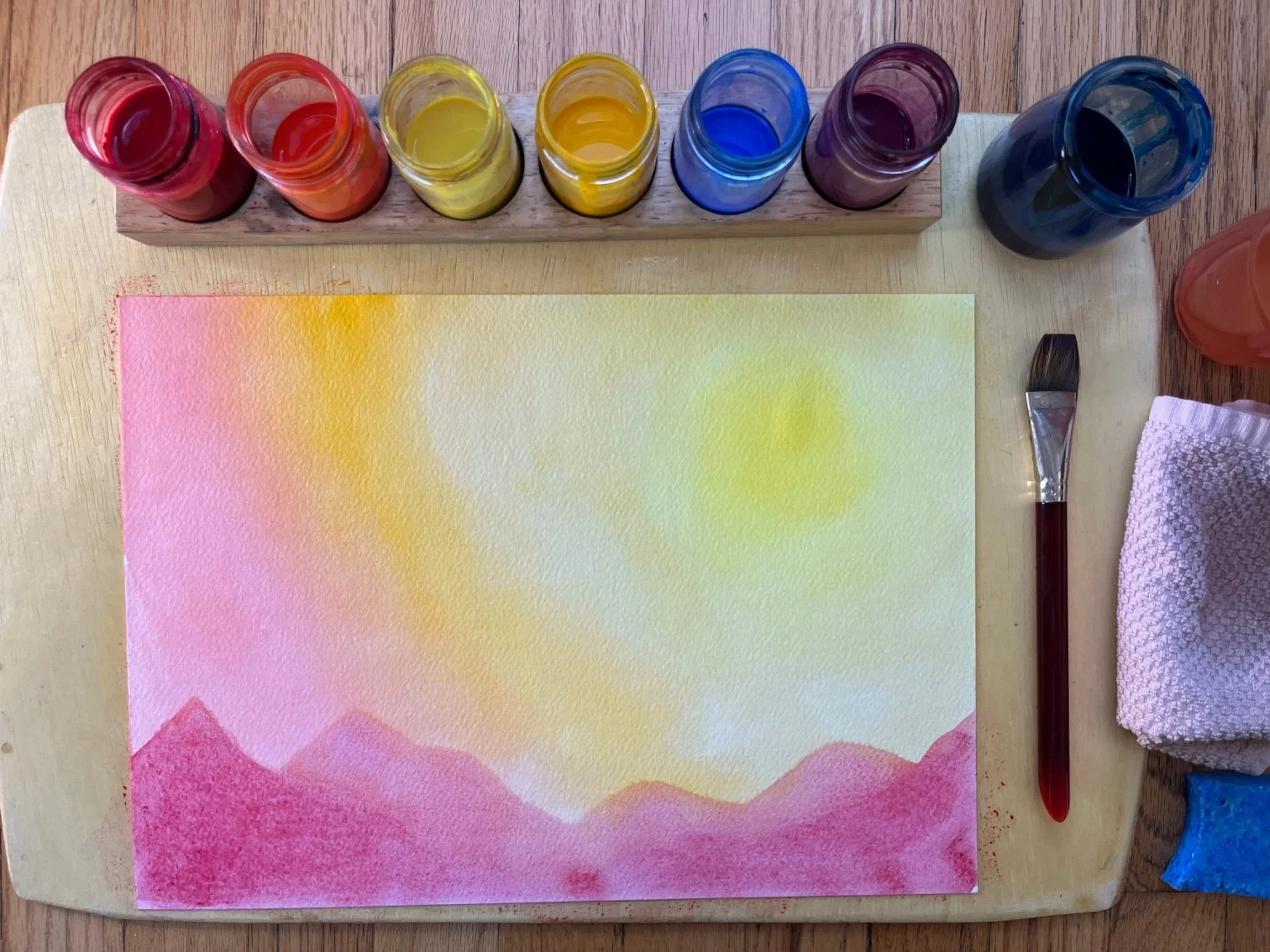
A painting from our third grade painting course- a great option for “structured art” time!
First grade paintings are done with one to two colors, and the child is encouraged to build a relationship with color through experience and connection. From there, the second grader finds form in their painting, and the third grade combines color with form for all the more complex and beautiful works of art. As students grow older, paintings grow in their intricacy and subject matter, and are always connected to nature, the seasons, and the curriculum.
A question that often comes through our inbox, especially from homeschooling families, is: How often should I paint with my lower grades child?
This is a great question! From our years of experience in working with students in the classroom and in the homeschool space, we've learned that there are great benefits to two different approaches: structured art time and free art time.
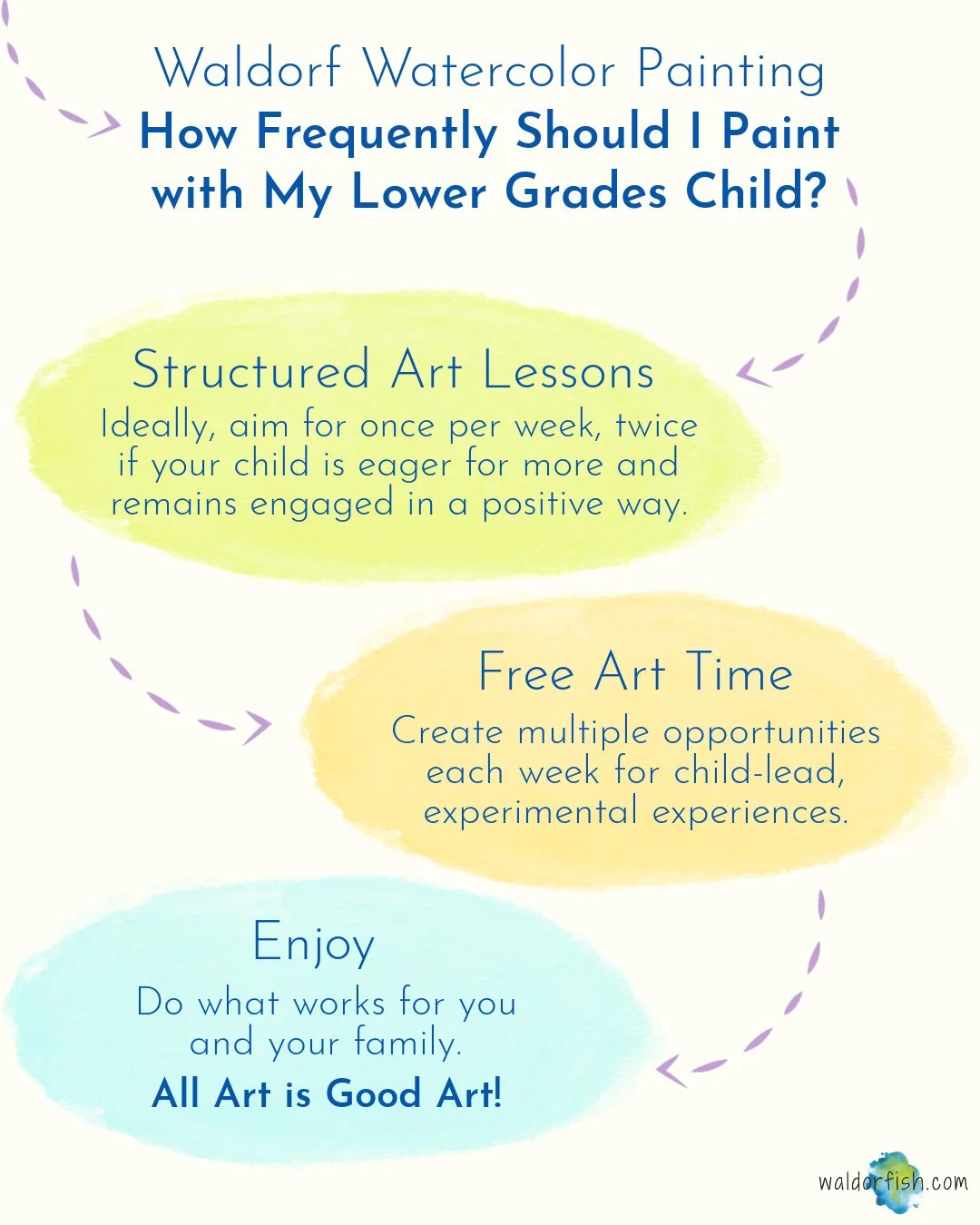
Watercolor painting, when done with a Waldorf approach, falls into the “structured art” category.
The painting activity comes with a fully formed lesson. The adult educator sets up the space, may choose to utilize a verse and set a mood of reverence, and paints alongside the child, leading them through the process from start to finish. It is a time where the educator is truly the captain of the ship, and the children have the opportunity to immerse themselves in the guided experience.
Ideally, we suggest doing structured art time once a week, or more, if you feel your child remains positively engaged with the lessons! In this case, less can really feel like more.
The second category of “free art time” creates opportunities where the child is leading the way.
They can experiment with all kinds of supplies, and work without much guidance- it's their time to create, play, and try new things. Watercolor painting can certainly be a part of this activity as well! Here, the educator is the host, making sure everyone has what they need to create safely, freely, and with joy.

Free art time can be a time of creativity and experimentation!
Free art time can be a part of a rhythm in whatever way works best for the student and the educator. Once a week, twice a week, everyday- as long as the student is engaged during the free art time, it’s a great time for art!
Lastly, and perhaps most importantly, we are big proponents of the idea that all art is good art!
There are many approaches to teaching watercolor painting and other art mediums, and sometimes it can feel overwhelming to get it “right.” We encourage you to dive in, try it out, and adjust from there. Bringing art into your rhythm should feel doable and meaningful, and however that works best for you and your children is the way to go.
Enjoy!

About the Authors
Robyn Beaufoy is Waldorfish’s CEO, and also a course instructor for Simple Season,, Waldorf Art for Beginners, and Weekly Art Foundations. You’ll find her intuitive touches and influences throughout everything Waldorfish offers. Robyn has been in the world of education for over 25 years, with an MA in Education and a certification in Waldorf teaching - she also homeschooled both of her children for some of that time. In 2012 Robyn co-founded Waldorfish.com, creating it with the vision of making Waldorf inspired-art and pedagogy more accessible, joyful, and doable for homeschoolers all over the world.
Caitlin Amajor is Waldorfish’s course instructor for Geometry grades 5 & 6, and Botany, as well as our Administrative Assistant. From a young age, Caitlin has been immersed in Waldorf education, attending a Waldorf school from K-8. After receiving a BA in History, Caitlin gained her certification in Waldorf teaching, and spent seven years as a Waldorf class teacher in the upper grades. With a special fondness for watercolor painting and geometry, Caitlin loves bringing Waldorf education to her students all over the world, and seeing their own individuality and style bloom from the curriculum!

Festival Resources for the Season from Waldorfish.com

How can we help you make this season special AND rejuvinating?
With the holiday season right around the corner, we’re guessing your calendar is filling up with family gatherings, traditions, and special events and activities. It’s a busy time, and can be full of fun and also demanding (can you relate?)
Are you looking for some support in making your holiday season feel a little less stressful, and a little more meaningful?
How does paring down your busy calendar, and making the coming weeks feel restful and restorative sound?
We’ve compiled all of our resources for the season in one convenient place so you can start exploring doable ways to bring more joy into your festival life at home.
We’re here to support, inspire, and celebrate right along with you!
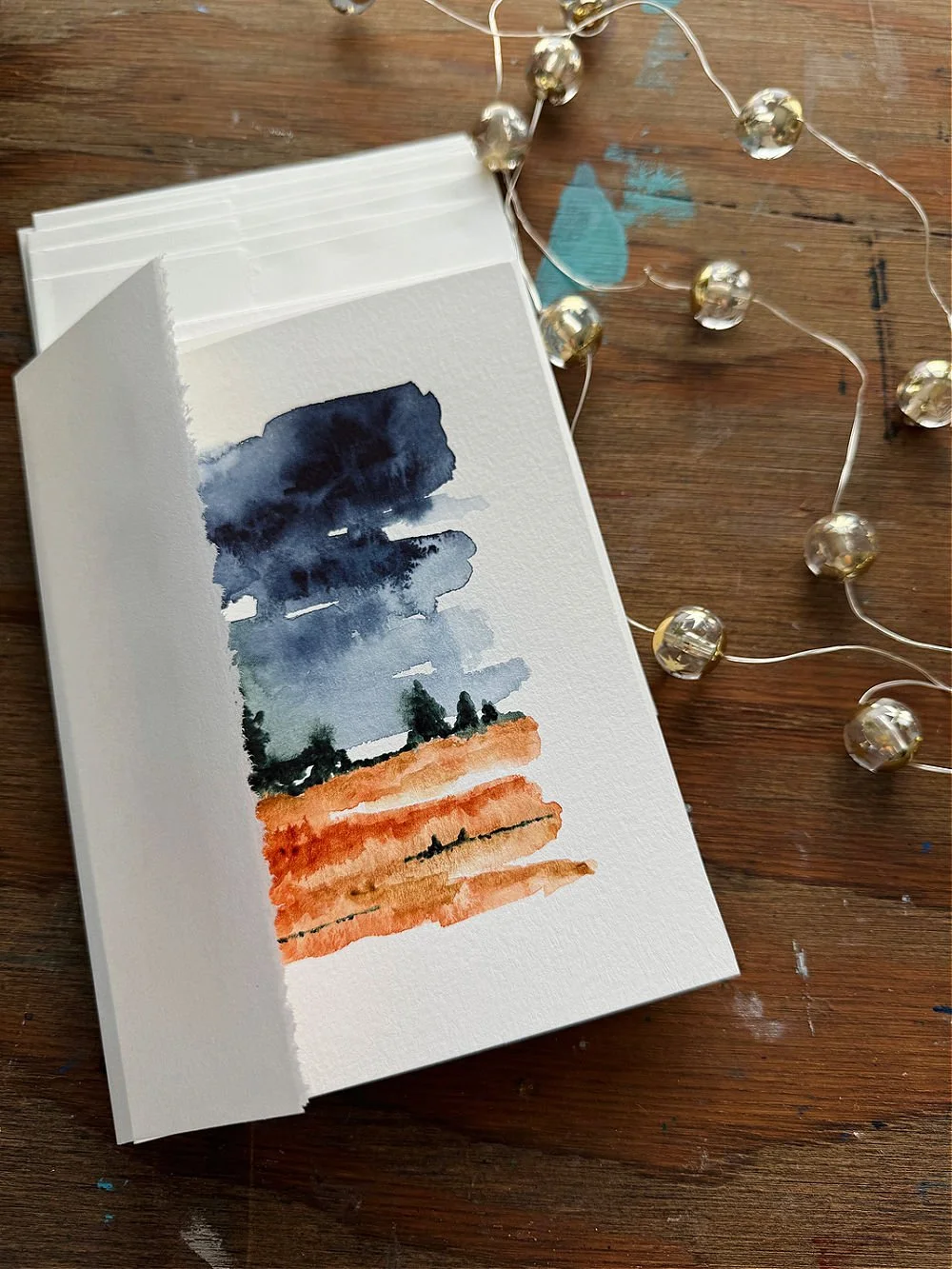
Take a little time to enjoy the simple beauty of the season.
Simple Season
Looking for some quiet reflection, time to create, and have a desire to try something new this season? Start here.
Designed for caretakers, this course provides an opportunity to create, plan, and reflect! With three watercolor painting lessons, a simple (yet impactful) guiding PDF, and thought-provoking discussion prompts, this mini-course will help you find what’s really meaningful to you around celebrations and holidays.
*Open for enrollment through December 3rd, 2024.

Don’t forget to take time for yourself, and find what brings you joy!
The Importance of Creativity for Caregivers
One of the most beautiful things about creativity is that it doesn’t just nourish the individual—it nourishes the whole family. When caregivers model creative self-care, it shows children and loved ones that creativity is valuable and worth making time for.
It teaches them that everyone deserves time for their own passions and that creativity can be a source of joy, comfort, and expression. Explore more about this over on our blog.

How can you make your holidays more simple and meaningful?
Simplifying the Holidays
The holiday season is a time of celebration for many around the world, but it’s also easy for it to become a time of overwhelm!
The push to create the perfect festive experience can overshadow the deeper meaning of the season. No matter which traditions you hold dear, the true magic of the holidays lies in connection, presence, and shared moments with loved ones.
We've got 𝘀𝗶𝘅 ways to return to the heart of the season, create a time of peace, and find joy in togetherness!
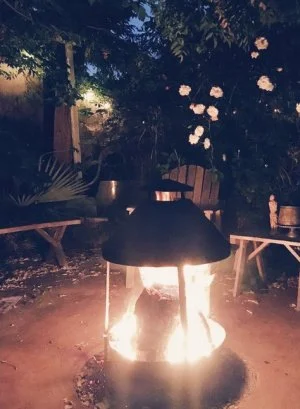
Find your balance even in the busiest of seasons.
In Praise of Balance
It can become easy to slip into thinking that our home-grown festivals and celebrations need to resemble what's happening at Waldorf schools - and if they don't, that we aren’t doing it correctly.
Spend any time on social media and this feeling increases exponentially (especially in this busy time of year!) It's not hard to end up feeling as though our children are missing out on something.
We are all about finding beauty in simplicity, and have a some important questions for you to consider when planning your holidays. Celebrations can be fun, meaningful, and doable all at once (we promise!)

Even in difficult times, we can find joy in celebrating together.
Festival Life at Home: Making it Work in Trying Times
In these trying times, how can families enliven their festival life at home? It's possible!
Our blog post by guest writer Cristina Havel is the place to find inspiration for meaningful, enriching, and special ways to celebrate even under less than ideal circumstances.
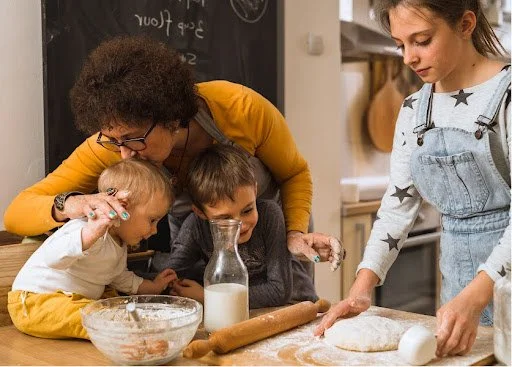
Festivals provide opportunities for new roles, responsibilities, and contributions from your growing teen.
Festival Life with Teens
Festivals are the heartbeat of Waldorf Education, and bring rhythm, ritual, and connection throughout the year. As a child grows and develops, so does their role in festival life.
So, how can we reach our teens, and incorporate them into festival celebrations in new and engaging ways?
Our guest writer, Cristina Havel, shares her experiences in adjusting her at-home festival life to engage her growing teenager, and how everyone can benefit from changing roles.
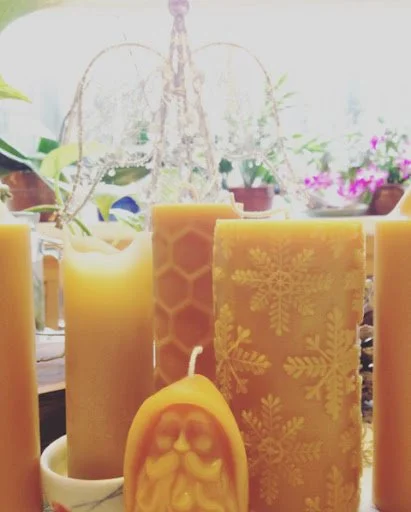
Despite these different leanings, our common searching for Light in the darkness of Winter unites us.
Celebrating Advent
The season of Advent begins four Sundays prior to Christmas and culminates on December 24th. Advent it filled with candlelight, reverence, and opportunities to connect with nature and family.
Are you planning to celebrate this year, and looking for some inspiration? We can help!
Learn where advent originates, and gain ideas about how to celebrate it in your own way at home. Enjoy!



Looking for something?

Welcome to Waldorfish! We started this adventure in 2012 out of a desire to make Waldorf training more accessible to class teachers in remote locations and to homeschooling families everywhere! Read more, click here.


WE WON! Our Weekly Art courses were voted “best interactive art program.” Learn more about the award, here.

Click here for a full list of schools we work with.
A few of our most popular blog posts:

Who are our courses for?

Starting Waldorf First Grade
4 Things to Know Before Planning Your Homeschool Year

In Praise of Balance: A Healthy Festival Life
Science in Waldorf Middle School: Starting Something New!