
Waldorfish Blog
Waldorf 5th Grade: Weaving Geometry Throughout the Curriculum

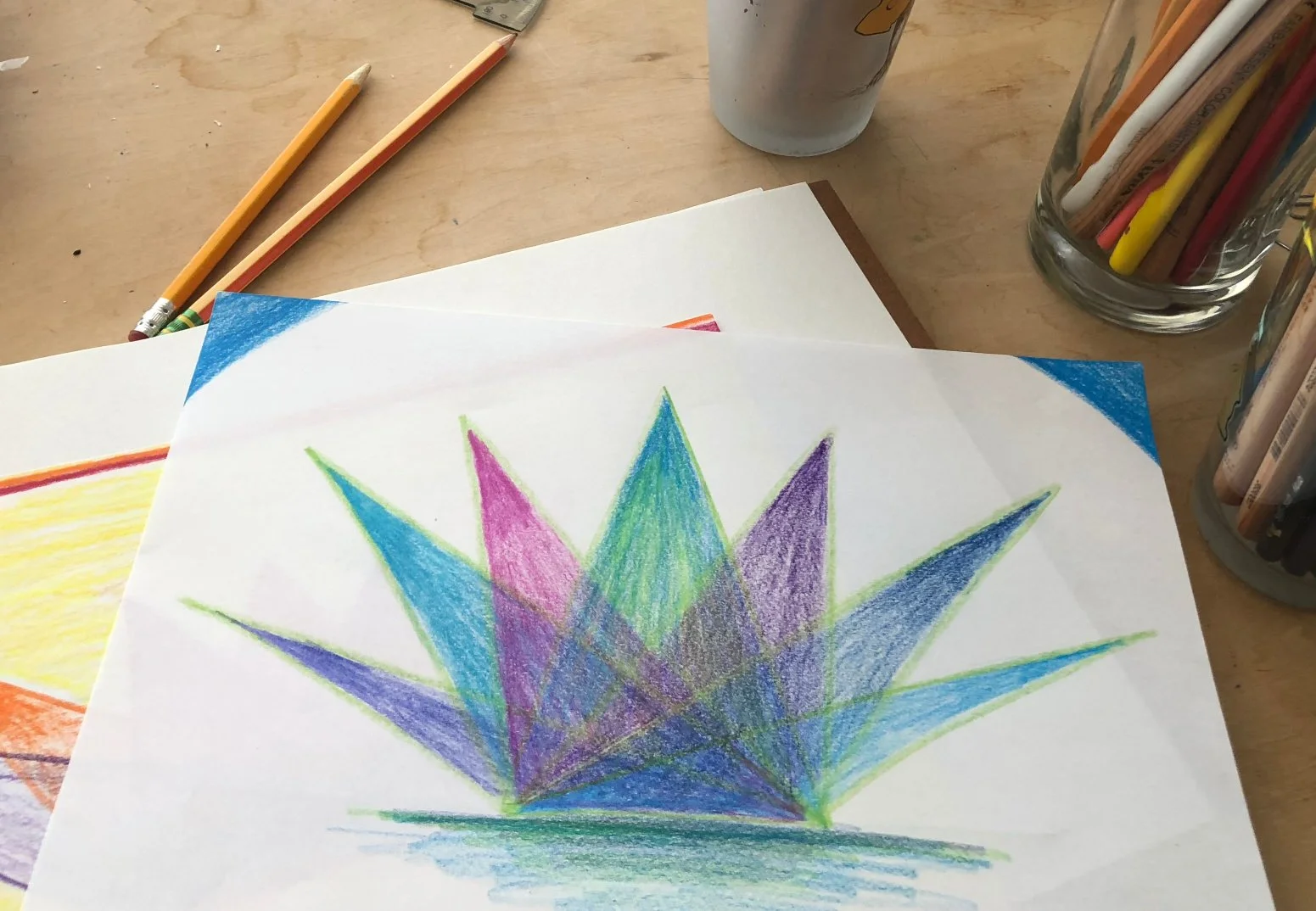
“The Crown” form found in our grade five geometry course.
Waldorf fifth grade curriculum includes a variety of subjects to explore.
It is particularly exciting because it is the first year history and science are introduced as stand-alone areas of study. Ancient Civilizations, Greek Mythologies and History, Botany, Decimals, and much more are explored using a variety of approaches, including (but not limited to!) art, music, and story.
One of our favorite aspects of the fifth grade curriculum is Geometry. Through a freehand approach, the fifth grader builds a strong relationship to geometry within their own bodies, and is prepared for the more complex work with tools that they will experience in sixth grade.
Geometry can be taught in block form in fifth grade (where the lessons are taught every school day over a three or four week period) and/or can also be sprinkled in throughout the school year - it is an ideal subject to be woven into other aspects of the curriculum.
Geometry fits in just about everywhere in the fifth grade year- here are several suggestions if you’re interested in weaving it all together:
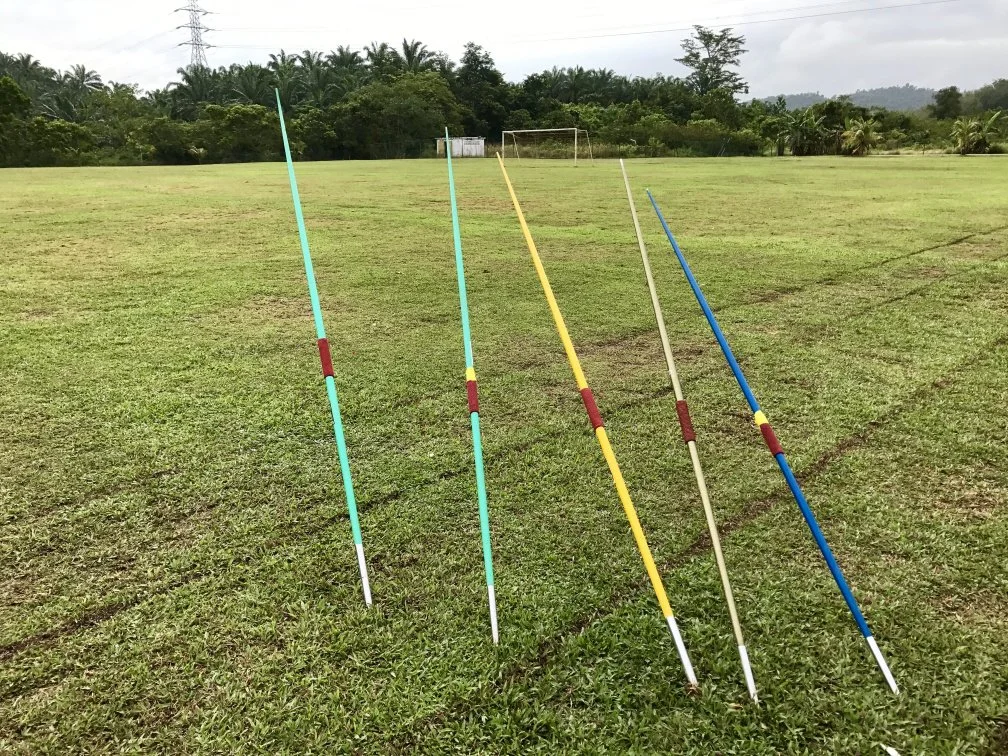
Javelin throwing is a big part of the Pentathlon and can be a full-body way of exploring parallel lines, angles, arcs, and much more from the geometry curriculum!
Greek history: Greek architecture and art is filled with familiar forms that are found all throughout geometry in fifth grade and will also bring back an opportunity to review form drawing as well.
Movement: As students prepare for the Waldorf Pentathlon (a common activity for fifth graders), students and educators can explore the geometry behind movement. Angles of the javelin throw, symmetry in running strides, and the circular motion in discus throwing all connect back to geometry in a real-world way.
Botany: Flowers and leaves unfurl, bloom, and structure themselves in beautiful patterns naturally! Take the time to find these patterns through nature sketching, or on a hike, and discover just how orderly nature really is.
Ancient Civilizations: Mandalas evoke the beauty of Ancient India, the sculpture and carvings of Ancient Persia have repeating patterns- there is endless inspiration here for things to be created on main lesson book pages and other artwork!
Map drawing: Fifth grade is a wonderful time to bring in a more strategic and skillful approach to map drawing by using freehand grids. Maps can be drawn of students’ home towns, countries, ancient kingdoms, and much more.
One of the most beautiful aspects of Waldorf Education is how various subjects seamlessly weave into each other, and geometry is no exception!
Math into art, history into nature studies, music into movement- the possibilities are endless when it comes to creating a rich tapestry with the fifth grade curriculum.
Explore our blog!






About the Authors
Robyn Beaufoy is Waldorfish’s CEO, and also a course instructor for Simple Season,, Waldorf Art for Beginners, and Weekly Art Foundations. You’ll find her intuitive touches and influences throughout everything Waldorfish offers. Robyn has been in the world of education for over 25 years, with an MA in Education and a certification in Waldorf teaching - she also homeschooled both of her children for some of that time. In 2012 Robyn co-founded Waldorfish.com, creating it with the vision of making Waldorf inspired-art and pedagogy more accessible, joyful, and doable for homeschoolers all over the world.
Caitlin Amajor is Waldorfish’s course instructor for Geometry grades 5 & 6, and Botany, as well as our Administrative Assistant. From a young age, Caitlin has been immersed in Waldorf education, attending a Waldorf school from K-8. After receiving a BA in History, Caitlin gained her certification in Waldorf teaching, and spent seven years as a Waldorf class teacher in the upper grades. With a special fondness for watercolor painting and geometry, Caitlin loves bringing Waldorf education to her students all over the world, and seeing their own individuality and style bloom from the curriculum!
Waldorf 5th Grade Geometry Curriculum: Building a Strong Foundation

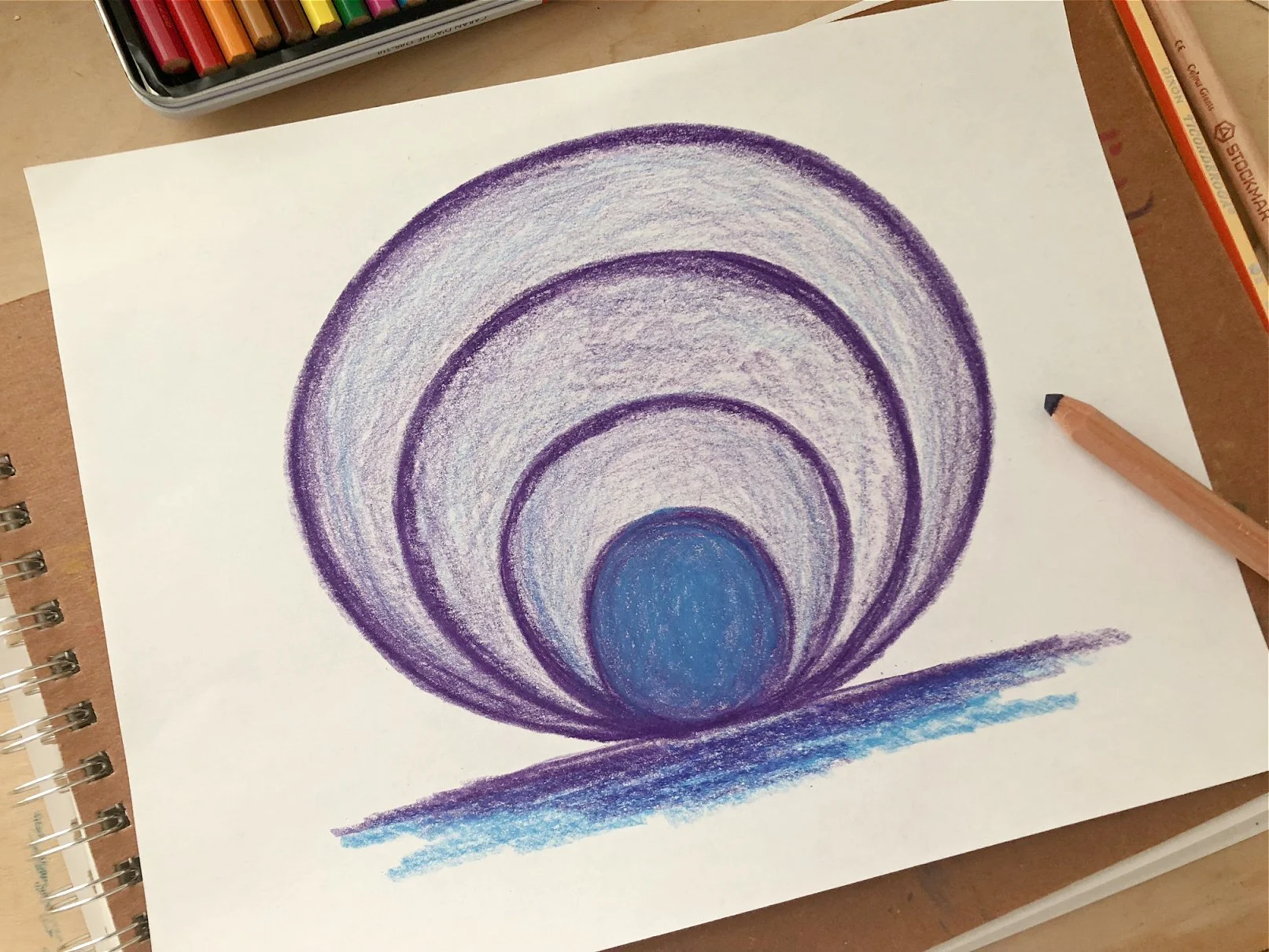
A freehand geometric form of growing circles.
In Waldorf curriculum, fifth grade marks the beginning of geometry studies.
Thus far, students have built their understanding of forms through Form Drawing lessons and their abilities in spatial awareness, pencil grip, balance and symmetry have grown through those experiences.
In fifth grade, it's time to jump into Geometry, and begin exploring its foundations!
The fifth grade child is in a particularly special time in childhood, often referred to as the “golden age.” Physically, they are balanced and graceful; stronger and more sure in their movements than that of a young child, and without the awkwardness that often marks the physicality of a teenager.
Inwardly, they are uniquely in-between the magic of early childhood and the realism of middle school. They are discovering a newfound curiosity and desire to understand how the world works in the present and what has happened in the past – all while finding beauty and magic in every aspect.
Finding beauty in truth- the fifth grader is ready to explore geometry!
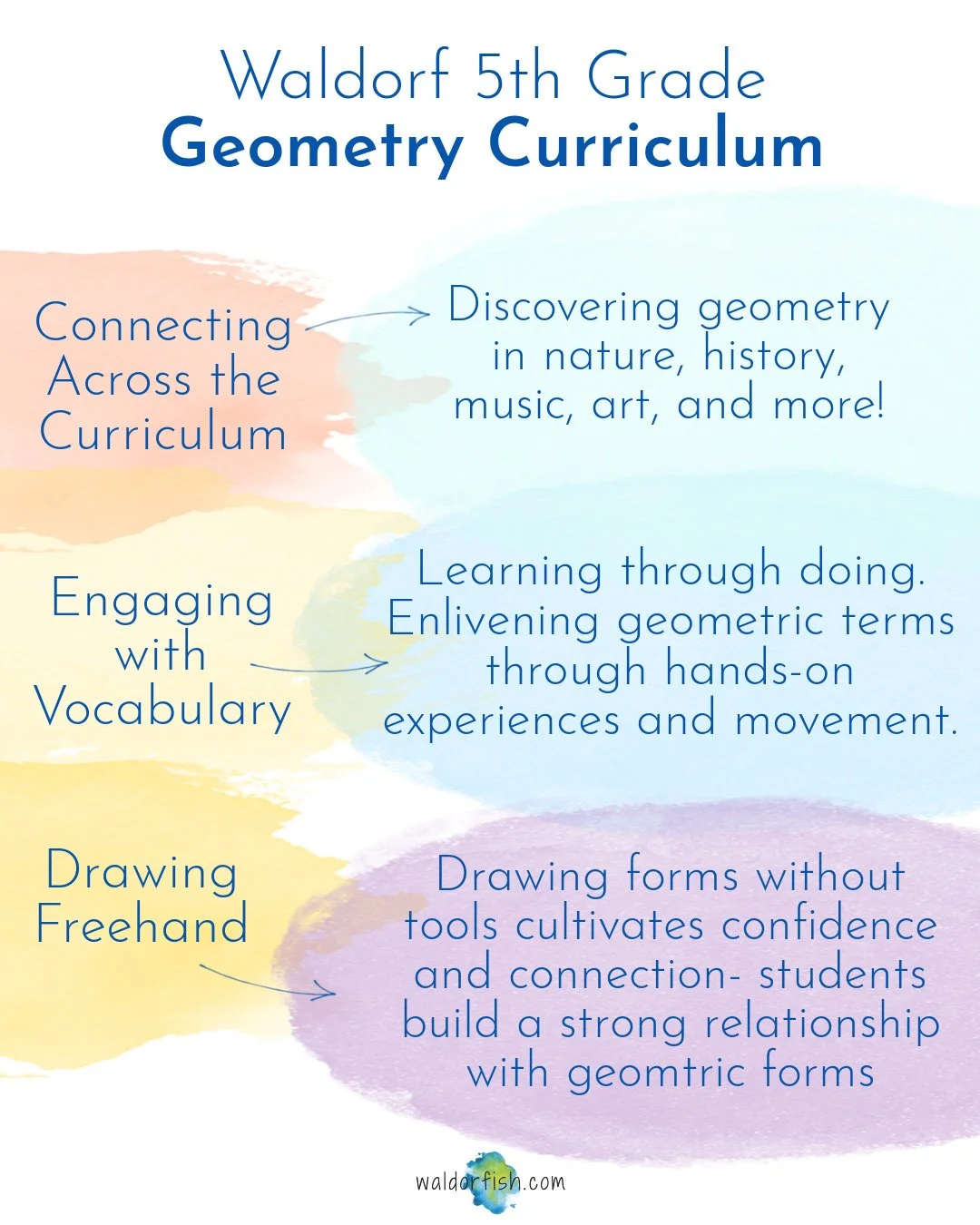
Fifth grade geometry curriculum is rich, challenging, and fun!
Geometry is everywhere, and one aspect of the fifth grade curriculum is finding geometry in nature, history, and all around us! The pyramids of ancient Egypt, the columns of ancient Greece, petals on blooming plants in Botany, exploring the patterns of music: geometry fits into all these subjects in various ways. Fifth graders have a fascination for the world around them, and finding geometry in different and unexpected places cultivates an appreciation and sense of wonder for the subject.
With geometry comes a whole new set of vocabulary and meanings, and it is important that the fifth grader explores these in a way that feels alive and engaging.
Instead of simply memorizing terms and definitions, vocabulary can be explored through movement and hands-on experiences to forge connections. For example, instead of discussing what “circumference” means, a fifth grader may walk the circumference of a large circle drawn with chalk. A “diameter” and “radius” can be created with popsicle sticks; quadrilaterals can be compared through a dramatic skit about the evolution of angles and sides. The fifth grader gains true understanding of vocabulary through doing, exploring, and connecting.
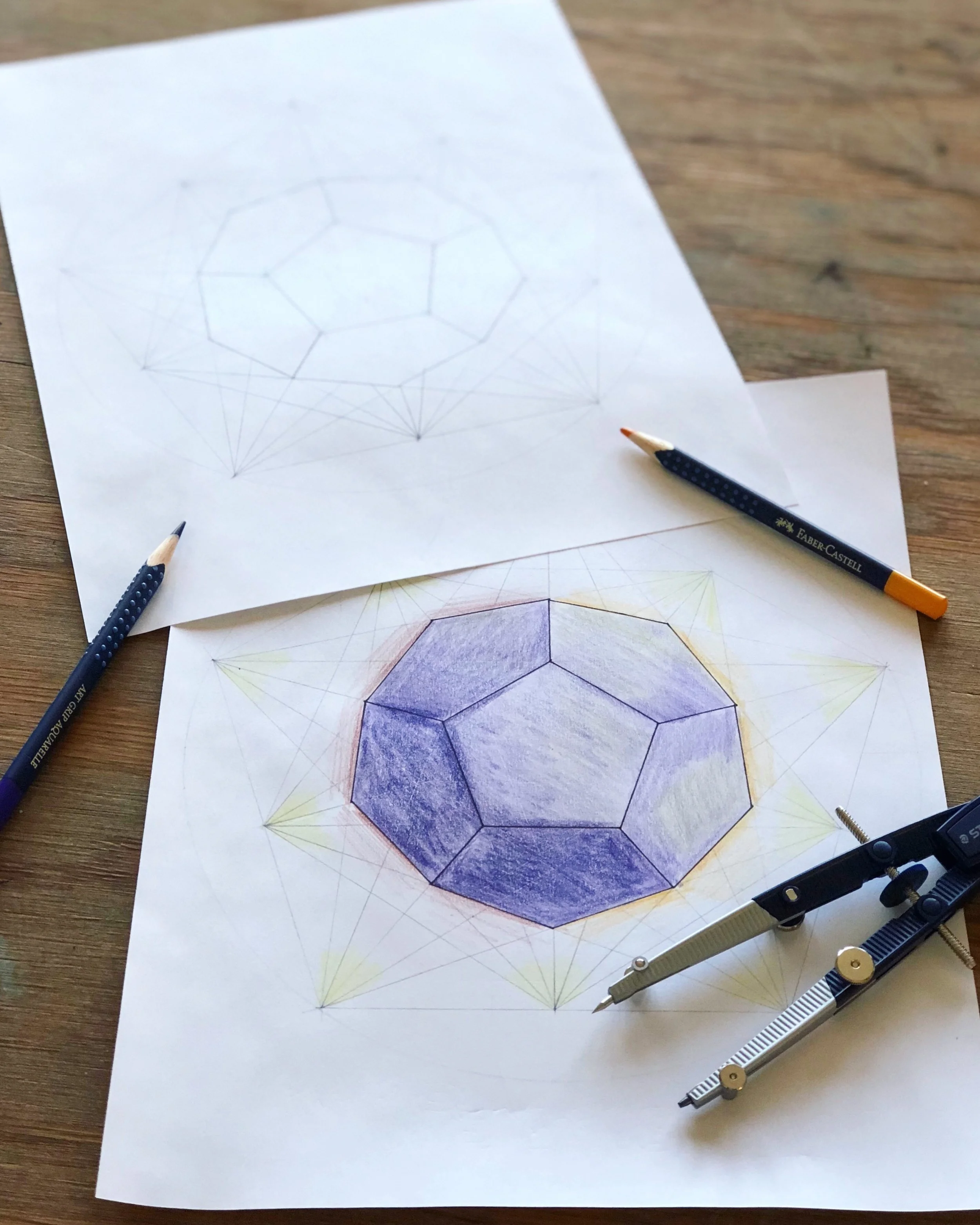
Drawing freehand is a key aspect of the fifth grade curriculum- no tools just yet, as those will be introduced in sixth grade. The fifth grader is experiencing a balance and symmetry in their own physical bodies and inner life that will soon change through puberty, so it is a truly perfect time to cultivate their relationship with geometry without leaning on anything other than their own skills and abilities.

Drawing freehand is all about practice and improvement- not perfection!
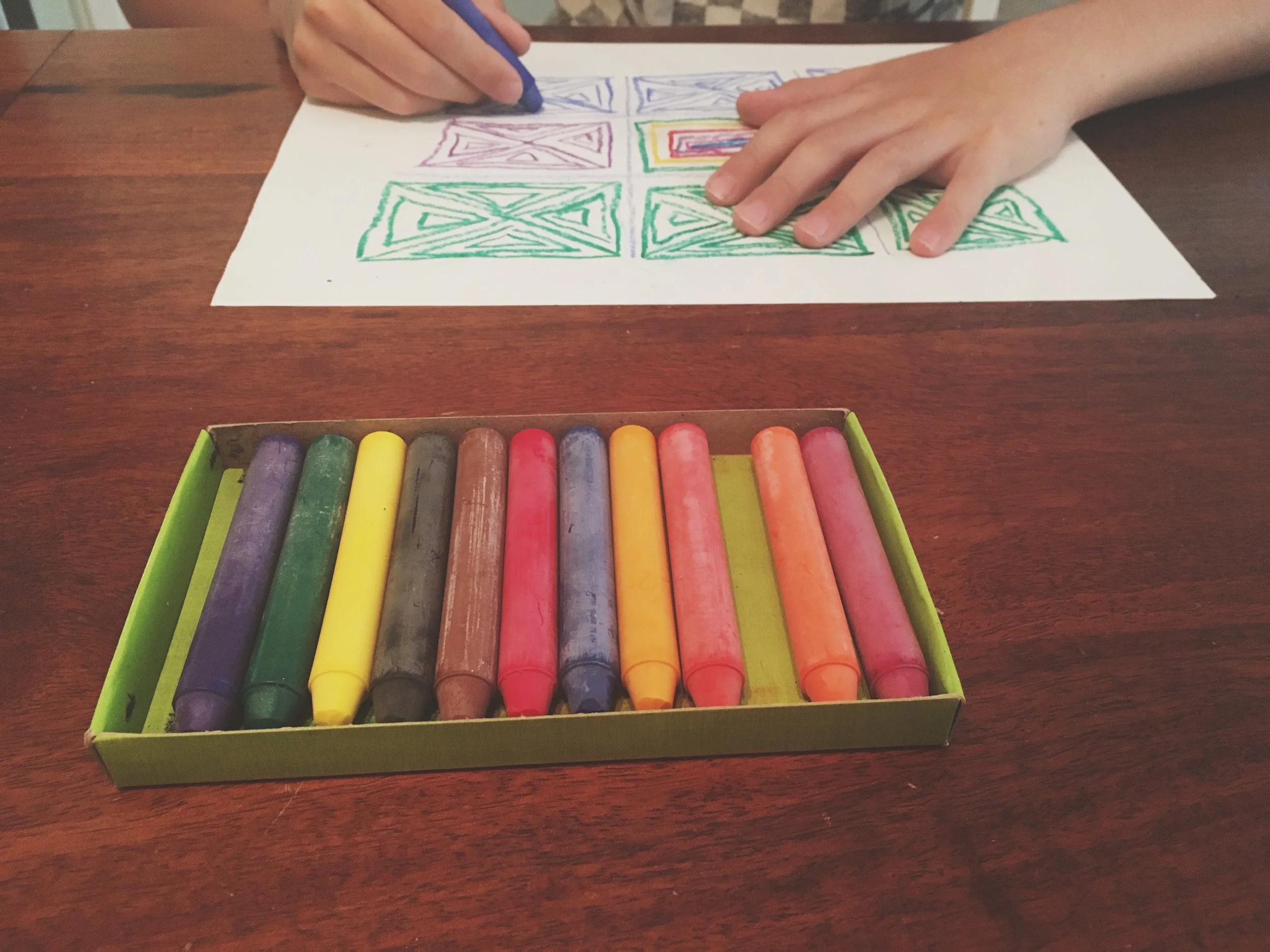
With finding geometry in nature and experiencing its language through doing, the fifth grader dives into drawing forms. Variations of triangles, circles, and quadrilaterals are drawn throughout many practice sessions, all culminating in a “final form” which is beautifully shaded and created with care and effort.
In a practical sense, the practice of drawing builds their capacities in creating geometric forms that are accurate and balanced. As well, drawing freehand connects the child with geometry on a deep soul level, because they have experienced it in a direct and organic way.
Geometry curriculum evolves with the growing child as they progress through middle school and beyond. The sixth grader will learn to use tools, the seventh grader finds patterns and sequences, and the eighth grader shifts their thinking into the abstract and 3D world.
But to move forward into the upper grades and the ever more complex world of geometry, the student needs a strong and true foundation that is cultivated through the fifth grade curriculum.
Are you looking to bring freehand geometry into your homeschool classroom? We can help!
Click here to learn more about our course that provides a full year’s worth of geometry curriculum for the growing fifth grader.



About the Authors
Robyn Beaufoy is Waldorfish’s CEO, and also a course instructor for Simple Season (coming soon!), Waldorf Art for Beginners, and Weekly Art Foundations. You’ll find her intuitive touches and influences throughout everything Waldorfish offers. Robyn has been in the world of education for over 25 years, with an MA in Education and a certification in Waldorf teaching - she also homeschooled both of her children for some of that time. In 2012 Robyn co-founded Waldorfish.com, creating it with the vision of making Waldorf inspired-art and pedagogy more accessible, joyful, and doable for homeschoolers all over the world.
Caitlin Amajor is Waldorfish’s course instructor for Geometry grades 5 & 6, and Botany, as well as our Administrative Assistant. From a young age, Caitlin has been immersed in Waldorf education, attending a Waldorf school from K-8. After receiving a BA in History, Caitlin gained her certification in Waldorf teaching, and spent seven years as a Waldorf class teacher in the upper grades. With a special fondness for watercolor painting and geometry, Caitlin loves bringing Waldorf education to her students all over the world, and seeing their own individuality and style bloom from the curriculum!

5 Tips for Studying the Lower Plants in Waldorf Fifth Grade Botany
Why begin with the “lower plants” in Waldorf Botany curriculum? In fifth grade Botany, we often begin with a full block that explores the “lower plants” or “simple plants”- algae, fungi, lichen, moss, and ferns.
Curious to learn more about why botany is usually split into two blocks? Click here!

Hands-on experience is the best way to connect with the lower plant world!
While we know that some of these lower plants are not all truly plants, each of these organisms have a magical, mystical sense to them in their structures, purpose, and appearance. Exploring them opens up the world of botany for the student in a gentle way; perfect for the young fifth grader who is just beginning their developmental journey towards puberty and middle school.
How can you bring hands-on experiences of the lower plants into your botany curriculum?
We’ve got five ideas to get you started!
Algae
Plan a time to be out in nature, and see if you kind find algae in a nearby river, lake, or beach. Note its color, movement, texture, and location. Not near a body of water? Head to your local library and ask for books and resources on algae, preferably one with all kinds of images!
Lichen
Head outside and try to find lichen. Look around on surfaces: fence posts, rocks, concrete, stepping stones, etc. This is a great activity even for those who live in urban areas- you’ll be surprised where lichen grows!
Fungi
Create your own sourdough starter (a yeast fungi!) and learn how to tend to it to make it active for baking. Make bread, pancakes, bagels- the sourdough possibilities are endless!
Moss
Build a terrarium using moss, plants, and other elements. This can be used as an ongoing project throughout your study of Botany, as you can continuously add to your terrarium, and watch it thrive!
Ferns
Bring ferns into the kitchen! Head to your local market and purchase some fiddleheads for a taste test. After observing them closely, find a yummy recipe and cook them up together.
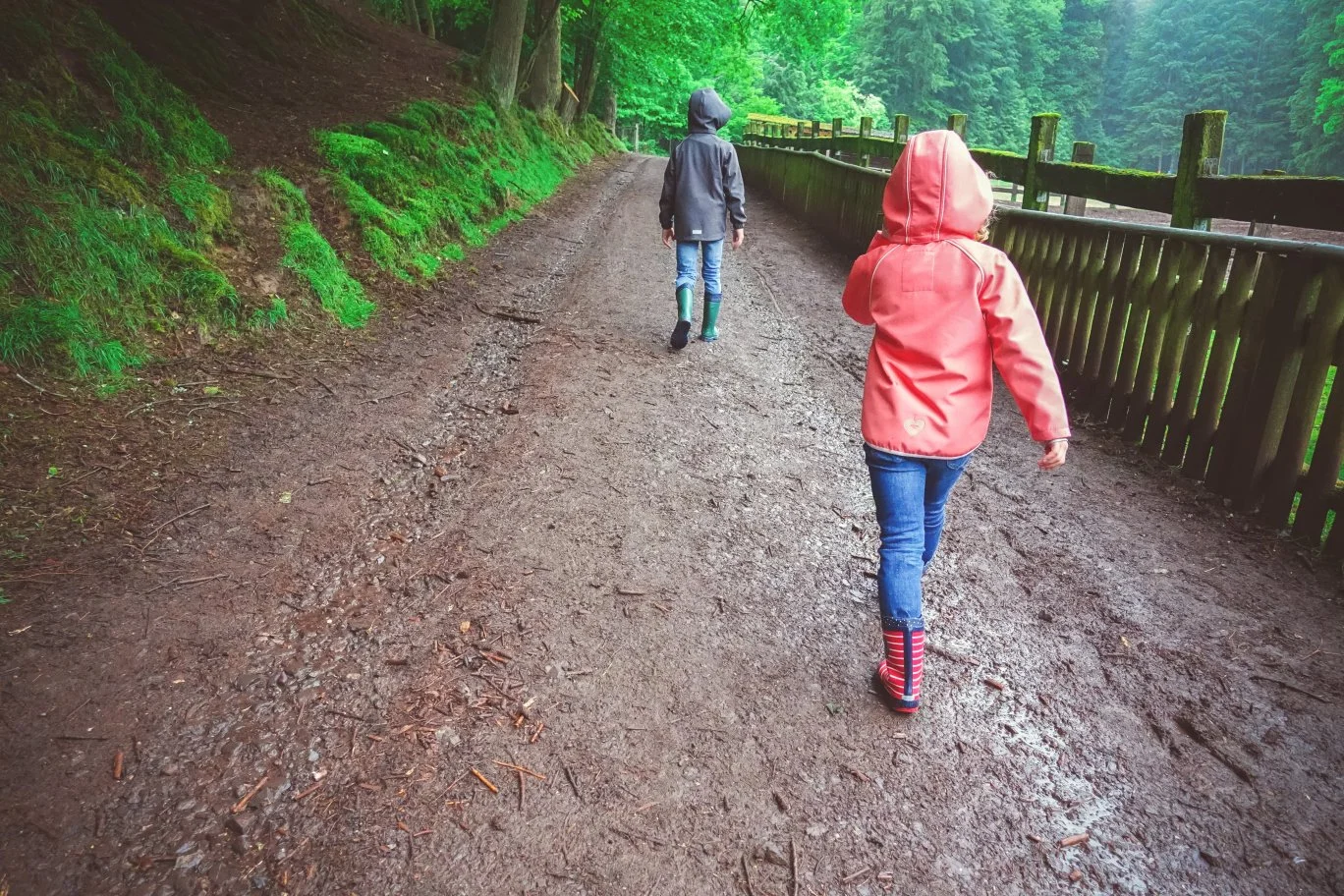
Enjoy the outdoors, and see what you discover!
When it doubt- Go outside! You’ll be amazed at how the lower plants thrive in even the most unexpected places. Explore and connect with nature- it’s always worth it!
Looking for more support for the fifth grade Botany curriculum? Our course offers a full year’s worth of material, main lesson book page tutorials, art lessons, instructor support, and so much more!

About the Authors
Robyn Beaufoy is Waldorfish’s CEO, and also a course instructor for Simple Season (coming soon!), Waldorf Art for Beginners, and Weekly Art Foundations. You’ll find her intuitive touches and influences throughout everything Waldorfish offers. Robyn has been in the world of education for over 25 years, with an MA in Education and a certification in Waldorf teaching - she also homeschooled both of her children for some of that time. In 2012 Robyn co-founded Waldorfish.com, creating it with the vision of making Waldorf inspired-art and pedagogy more accessible, joyful, and doable for homeschoolers all over the world.
Caitlin Amajor is Waldorfish’s course instructor for Geometry grades 5 & 6, and Botany, as well as our Administrative Assistant. From a young age, Caitlin has been immersed in Waldorf education, attending a Waldorf school from K-8. After receiving a BA in History, Caitlin gained her certification in Waldorf teaching, and spent seven years as a Waldorf class teacher in the upper grades. With a special fondness for watercolor painting and geometry, Caitlin loves bringing Waldorf education to her students all over the world, and seeing their own individuality and style bloom from the curriculum!

Upper Grades Curriculum Resources from Waldorfish
Let’s dive into the Waldorf upper grades curriculum resources available here at Waldorfish.com!
Through art, science, and geometry, Waldorf upper grades curriculum (for grades 5-8) meets the growing student right where they are in their transformation from child to teen.
From online homeschooling courses to pedagogical resources, Waldorfish can help you gain confidence in teaching your middle school student, and enjoying the process along the way!
Art Resources
Art is an integral part of Waldorf upper grades curriculum, and is woven into nearly every subject of study. New techniques and mediums are introduced throughout grades 5-8, all designed to enrich the student’s connection to artistic skills, build their understanding of the natural world, and find their own style and method of expression. Check out all of our art resources, and explore the courses we offer that will support you through your upper grades art journey!
On the blog…

An example of beautiful chalk art.
Explore why Waldorf education utilizes chalk drawings as a way to enliven the classroom and the curriculum.

A perspective drawing showing depth and distance.
Perspective Drawing- Art in the Middle Grades
Why are perspective drawing techniques introduced in seventh grade? It’s all about point of view!

Gray scale, lights and darks- it all comes to life through charcoal drawing!
Black and White Drawing- Art in the Middle Grades
Discover why drawing with charcoal perfectly meets the developmental experience of the growing middle school student.

Chalk art weaving together geometry and perspective drawing.
Waldorf Art: How is Art Incorporated into the Waldorf Middle Grades 5-8?
From pencil drawing, to clay work, to watercolor painting, we’ve got your guide to all things Waldorf upper grades art.
Full support from our courses…

Colorful chalk art brings a landscape to life!
Make Waldorf art lessons a part of your weekly rhythm! With 33+ lessons, including watercolor painting, crayon drawing, chalk, and more- we’ve got everything ready to get you started!
*Enrollment opens August ‘24.

Watercolor painting enlivens the study of ancient civilizations.
Join us in the next step of your artistic journey, with new skills including clay work, perspective drawing, and grade-specific art lessons for grades 4-8!
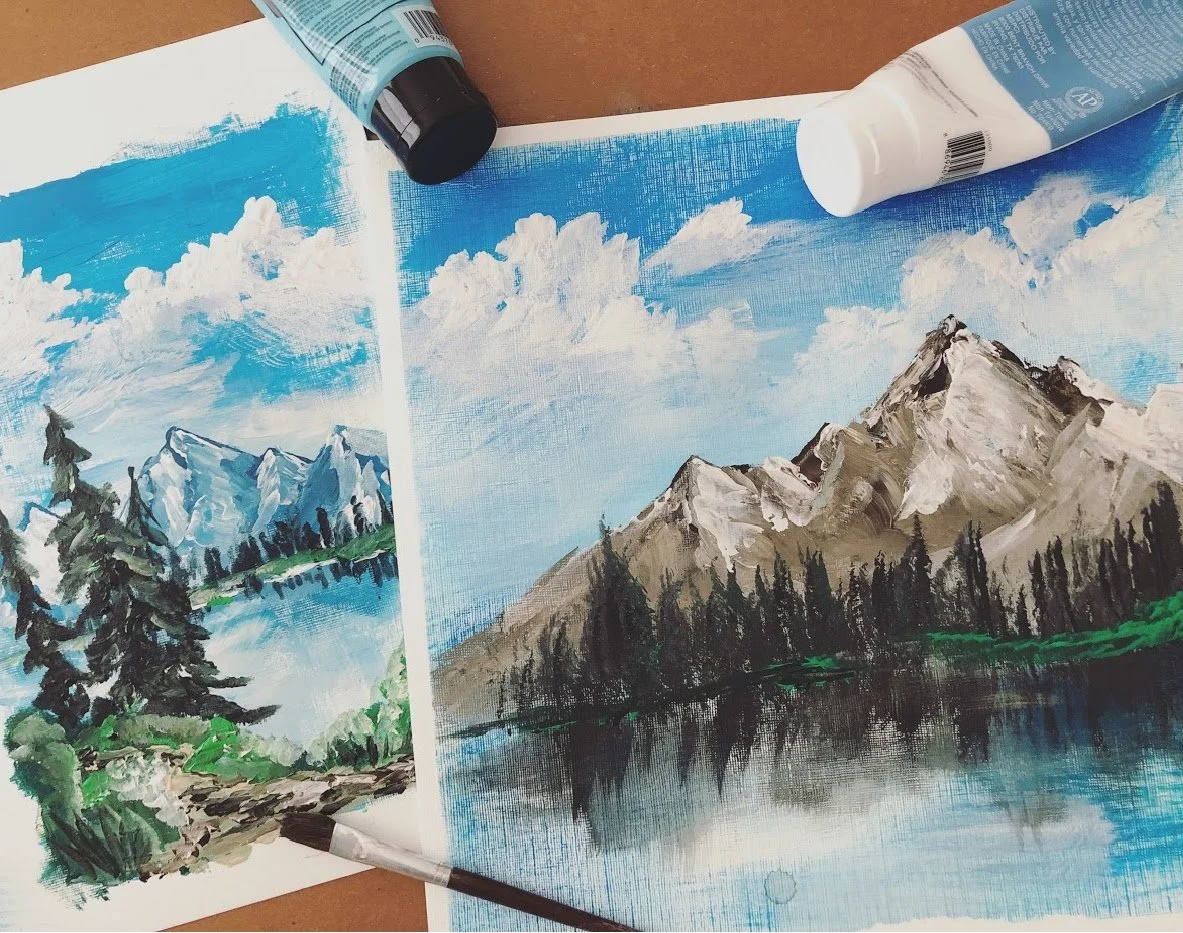
Beautiful landscapes in acrylic paint.
For the high school student or experience artist, this course includes a deeper dive into techniques, and new experience with acrylic painting, ink work, and more!
Science Resources
In Waldorf education, science becomes a focused area of study in the middle grades. The students are ready to explore the world in a whole new way, and begin to dive into the subjects of Botany, Physics and Chemistry, Geology (and more!). With all this new and exciting curriculum, the educator also needs to make a shift in their teaching approach to foster the growth and thinking skills of their students. We’ve got everything you need to get started in your journey through upper grades science curriculum: from free resources, to paid courses, we’ve got you!
On the blog…
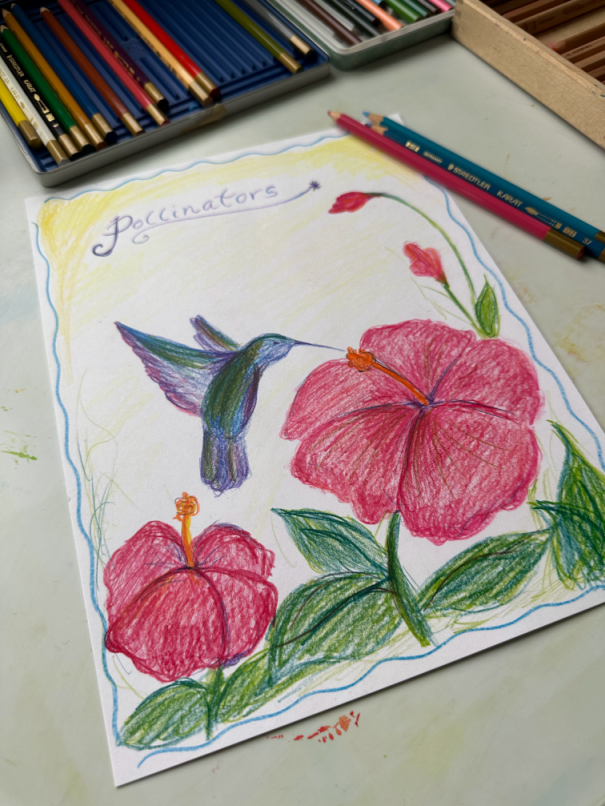
A Botany main lesson book page.
Is Waldorf Botany Academic as Well as Artistic?
Can science and art work hand in hand? In Waldorf Botany curriculum, the two meld together to create a enriching curriculum for the growing child.

Chalk art from a Waldorf Botany block.
Waldorf Fifth Grade Botany: Growing with the Child
Enjoy an in-depth look at how Waldorf Botany curriculum meets the growing child through storytelling, art, hands-on demonstrations, and more!

There are many ways to make Waldorf Botany curriculum your own!
Waldorf Botany: Adapting the Curriculum to Your Region
Explore nine doable and meaningful ways to adapt the Botany curriculum to your region.
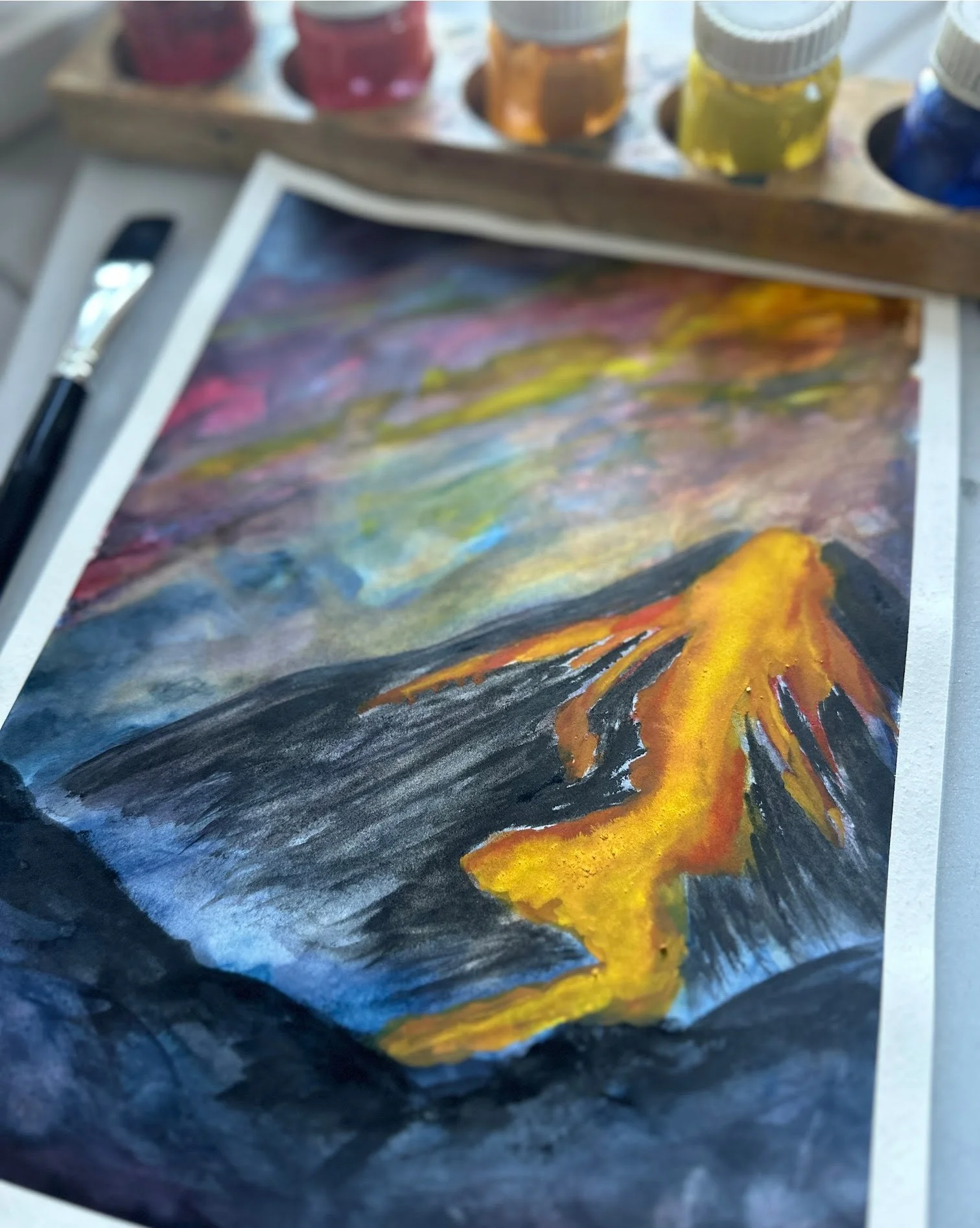
Watercolor painting is a wonderful medium to weave into Geology curriculum.
The Waldorf Geology Block: Curriculum for the Transforming Child
How does geology curriculum meet the changing sixth grader? From a deep exploration of the earth’s structure, to enriching artistic and hands-on experiences, the study of the earth perfectly meets the transforming child!

An example main lesson book page from a seventh grade science block.
Science in the Waldorf Middle School: Starting Something New
With the introduction of formal science curriculum in the Waldorf middle grades, the methods of learning and teaching change for the students and educators alike!

Learning by doing (and tasting!) is a fun and effective way to explore organic chemistry.
Waldorf 8th Grade Organic Chemistry: In the Kitchen!
In Waldorf education, the study of organic chemistry begins in the kitchen! Discover how cooking bridges the gap between abstract learning to concrete examples, and how doing inspires the growing eighth grader.
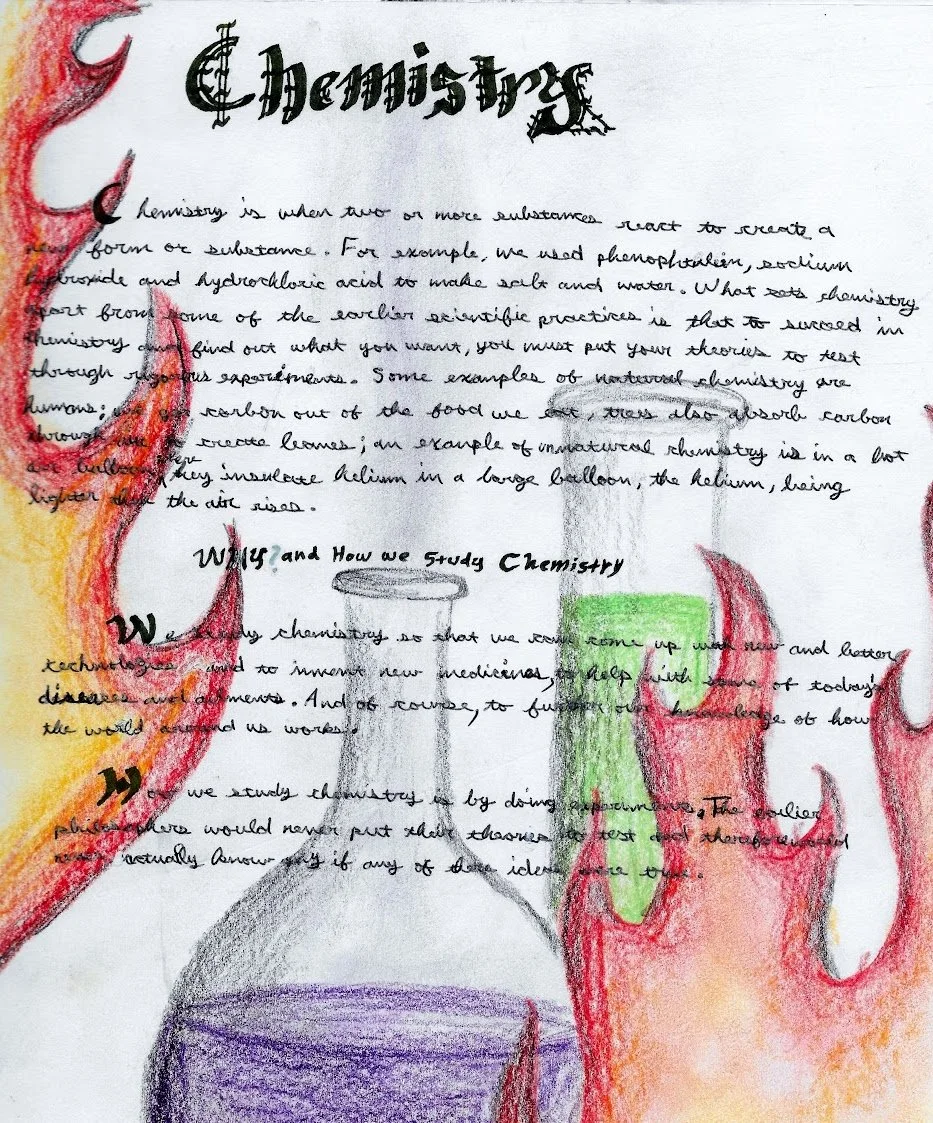
Art and science weave together throughout Waldorf middle school curriculum. .
Waldorf Science: What is a Phenomenological Approach to Teaching?
Enjoy our in-depth guide to a phenomenological approach to teaching science, which fosters a sense wonder, observation, and critical thinking in the growing child.
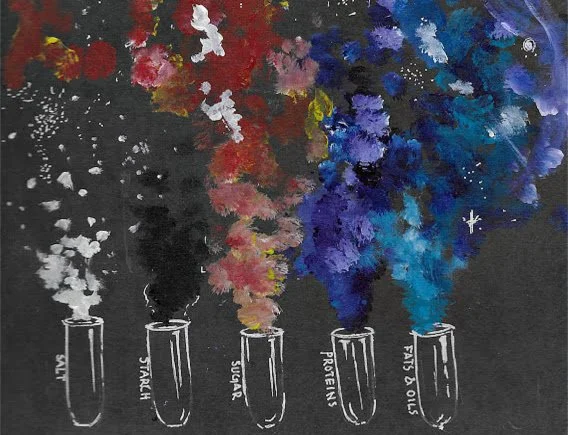
Waldorf science curriculum provides a special experience for the educator as well as the student.
3 Tips: Teaching Waldorf Science Curriculum
How can an educator enliven their approach to teaching Waldorf science curriculum, while working through a phenomenological lens? We’ve got three tips for you.
Full support from our courses…

Chalk art from our Botany course.
Our Botany course provides over 75 videos of instruction, main lesson book page tutorials, hands-on demonstrations, original stories, art lessons, and so much more!

Our science courses cover the why’s and how’s of teaching from start to finish.
Our Physics courses (grades 6-8) and Chemistry courses (grades 7 and 8) provide enough material for your entire school year, as well as detailed supply lists, step-by-step demonstrations, and much more.

Explore the earth through art and science!
Designed for the sixth grader, our Geology course provides everything you need for a deep-dive into the study of the Earth including over 75 lesson videos, main lesson book page tutorials, a fully-designed research project, and so much more!
Geometry Resources
An exciting aspect of the curriculum begins in the Waldorf middle grades: Geometry! Weaving together math and art, geometry begins as a freehand experience in fifth grade, and evolves in its complexity all the way through eighth grade and beyond. Explore our resources and courses that provide everything you need to bring artistic geometry into your student’s middle school experience- enjoy!
On the blog…
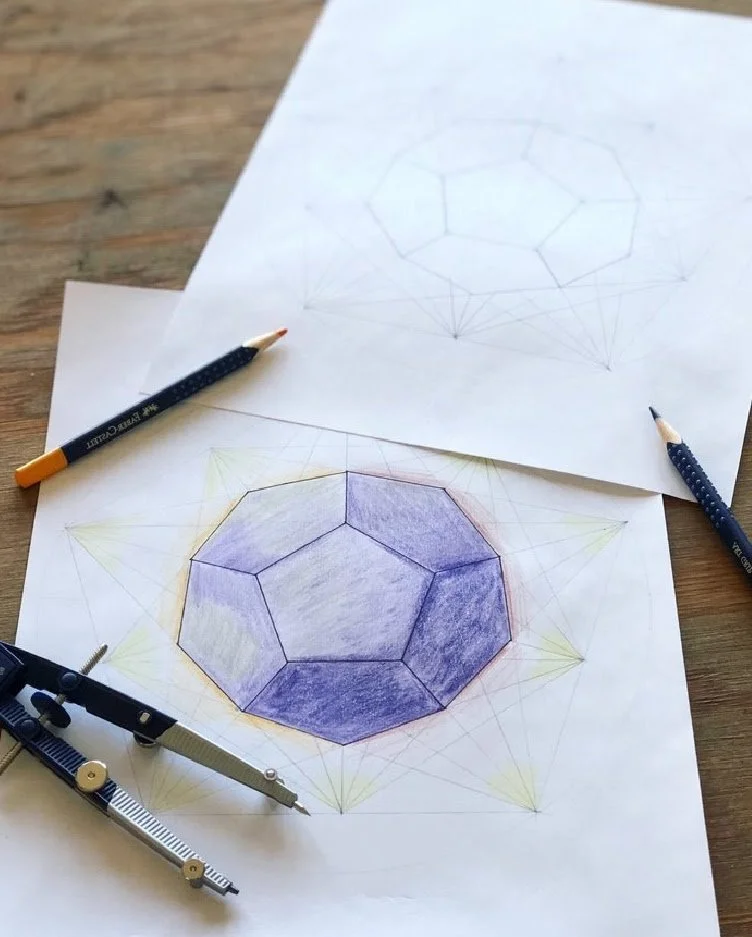
A form from eighth grade geometry curriculum.
Waldorf Geometry: Math in the Middle Grades
Explore how Waldorf geometry curriculum evolves with the growing child from fifth through eighth grade. Starting from freehand experiences and ending with complex, abstract study, geometry deeply enlivens the middle schooler’s experience.
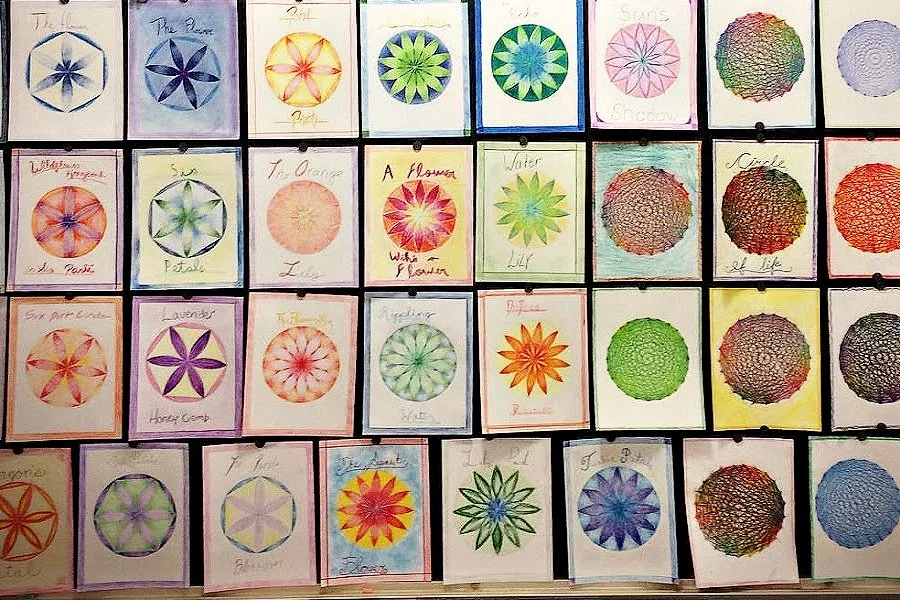
Self-expression, color, and beauty is found all through sixth grade geometry curriculum.
Waldorf Geometry: How it Meets the Sixth Grader
In sixth grade, Waldorf geometry curriculum meets the growing child in their quest to understand cause and effect, discover their unique artistic style, and find order in the natural world.

A freehand geometry form from fifth grade geometry.
Waldorf Geometry: How Can I Incorporate Art into a Traditional Geometry Curriculum?
In Waldorf geometry curriculum, mathematics and art weave together to create a rich academic and artistic experience for the middle school student.
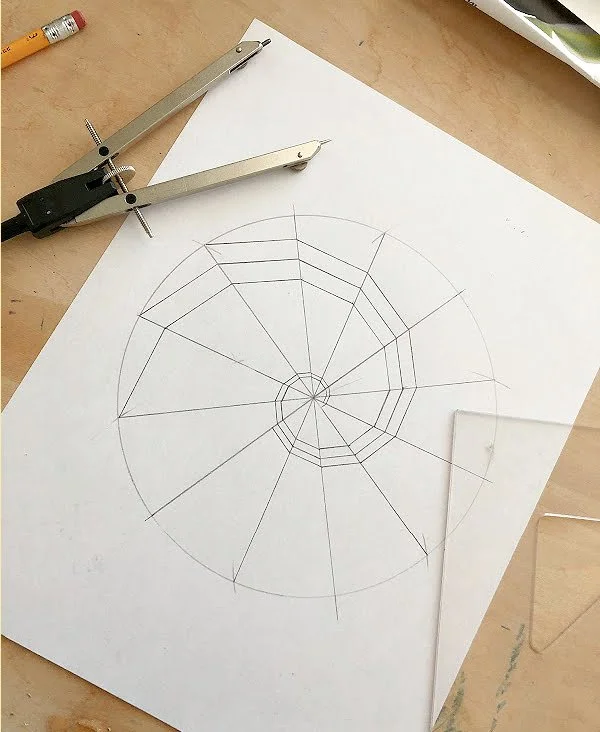
Simple geometric tools creating something beautiful!
Waldorf Geometry: Why Do We Wait Until Sixth Grade to Introduce Tools?
A compass and straightedge are introduced to Waldorf geometry class in sixth grade. Why? The student is now ready to deepen their understanding of the subject through the use of these simple and ancient tools!
Full support from our courses…

A form from our sixth grade geometry course.
Where art meets math! Our geometry courses for grades 5-8 provide everything you need for a full year’s curriculum! Each grade’s course provides step-by-step demonstrations, instructor support, lifetime access, and much more.
We’ve shared a lot, so feel free to send us a message here- we’re happy to answer any questions and help find the best course for your family!

About the Authors
Robyn Beaufoy is Waldorfish’s CEO, and a course instructor for two of our courses - Waldorf Art for Beginners and Weekly Art Foundations. You’ll find her intuitive touches and influences throughout everything Waldorfish offers! Robyn has been in the world of education for almost 30 years, with an MA in Education and a certification in Waldorf teaching - she also homeschooled both of her children. In 2012 Robyn co-founded Waldorfish.com, creating it with the vision of making Waldorf inspired-art and pedagogy more accessible, joyful, and doable to homeschoolers all over the world.
Caitlin Amajor is Waldorfish’s course instructor for Geometry grades 5 & 6, and Botany, as well as our Administrative Assistant. From a young age, Caitlin has been immersed in Waldorf education, attending a Waldorf school from K-8. After receiving a BA in History, Caitlin gained her certification in Waldorf teaching, and spent seven years as a Waldorf class teacher in the upper grades. With a special fondness for watercolor painting and geometry, Caitlin loves bringing Waldorf education to her students all over the world, and seeing their own individuality and style bloom from the curriculum!
Looking for something?
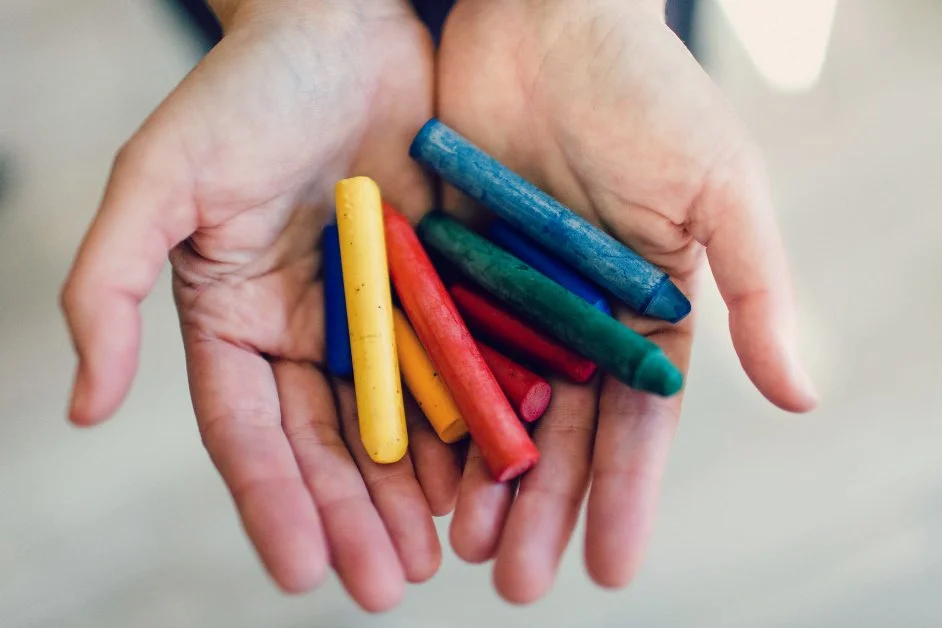
Welcome to Waldorfish! We started this adventure in 2012 out of a desire to make Waldorf training more accessible to class teachers in remote locations and to homeschooling families everywhere! Read more, click here.


WE WON! Our Weekly Art courses were voted “best interactive art program.” Learn more about the award, here.


Click here for a full list of schools we work with.
A few of our most popular blog posts:

Who are our courses for?

Starting Waldorf First Grade
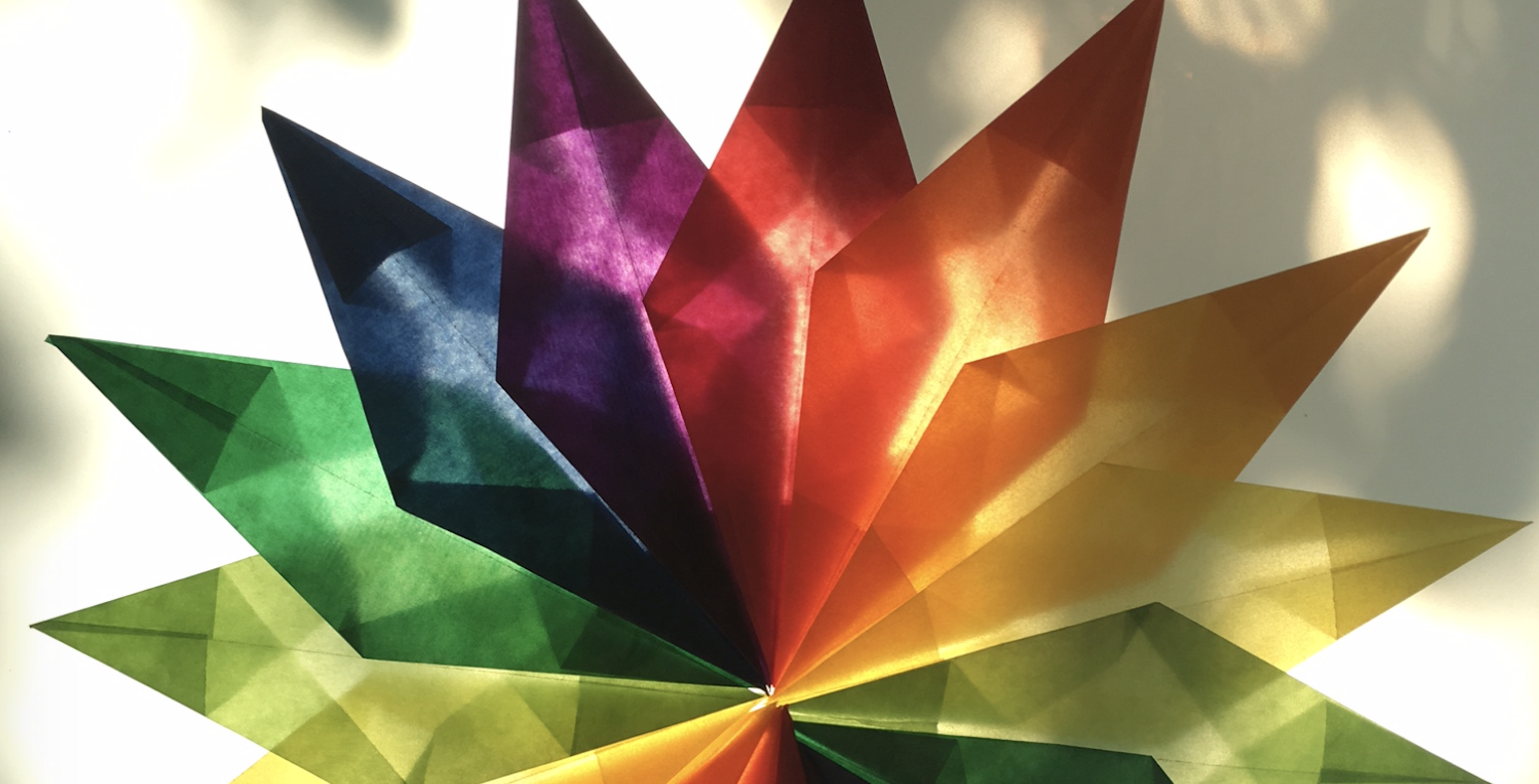
4 Things to Know Before Planning Your Homeschool Year

In Praise of Balance: A Healthy Festival Life
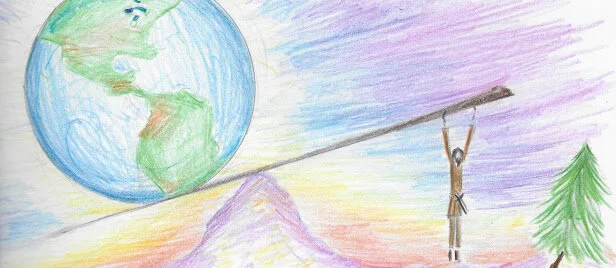
Science in Waldorf Middle School: Starting Something New!