
Waldorfish Blog
Tracking The Hour Hand: A Measure of Waldorf Education
It happens every year, and every year it comes as a surprise.
Maybe it’s because it never shows up in quite the same way.
Major growth presents itself.
It’s as if my son truly embodies the grade he is completing.
It makes sense, doesn’t it?
After all, what exactly makes a 1st grader, or a 5th grader or a 10th grader? When do they “become” that? When did you become a parent? During pregnancy, on adoption day, your wedding day, at the moment of your child’s birth? Or was it some other time, when you found yourself able to meet a critical need, like feeding, or providing emotional nurturing when it was called for?
Becoming, or in psychological terms ‘development’, is a mysterious process.
““Each child in every age brings something new into the world from divine regions.””

Little by little, a child is always growing.
A pattern has emerged in our particular family, as I can look back to the end of 4th grade and see that something similar happened. My son starts a school year with an invisible (to him) set of expectations laid out before him like an obstacle course. It is in many ways the job of teachers (including this homeschooling parent) to keep him on track, focused, able to clear fences and maintain a relatively consistent pace. The school year is long, and by February my philosophy about education, especially home education, can be summed up as follows:
¯\_(ツ)_/¯
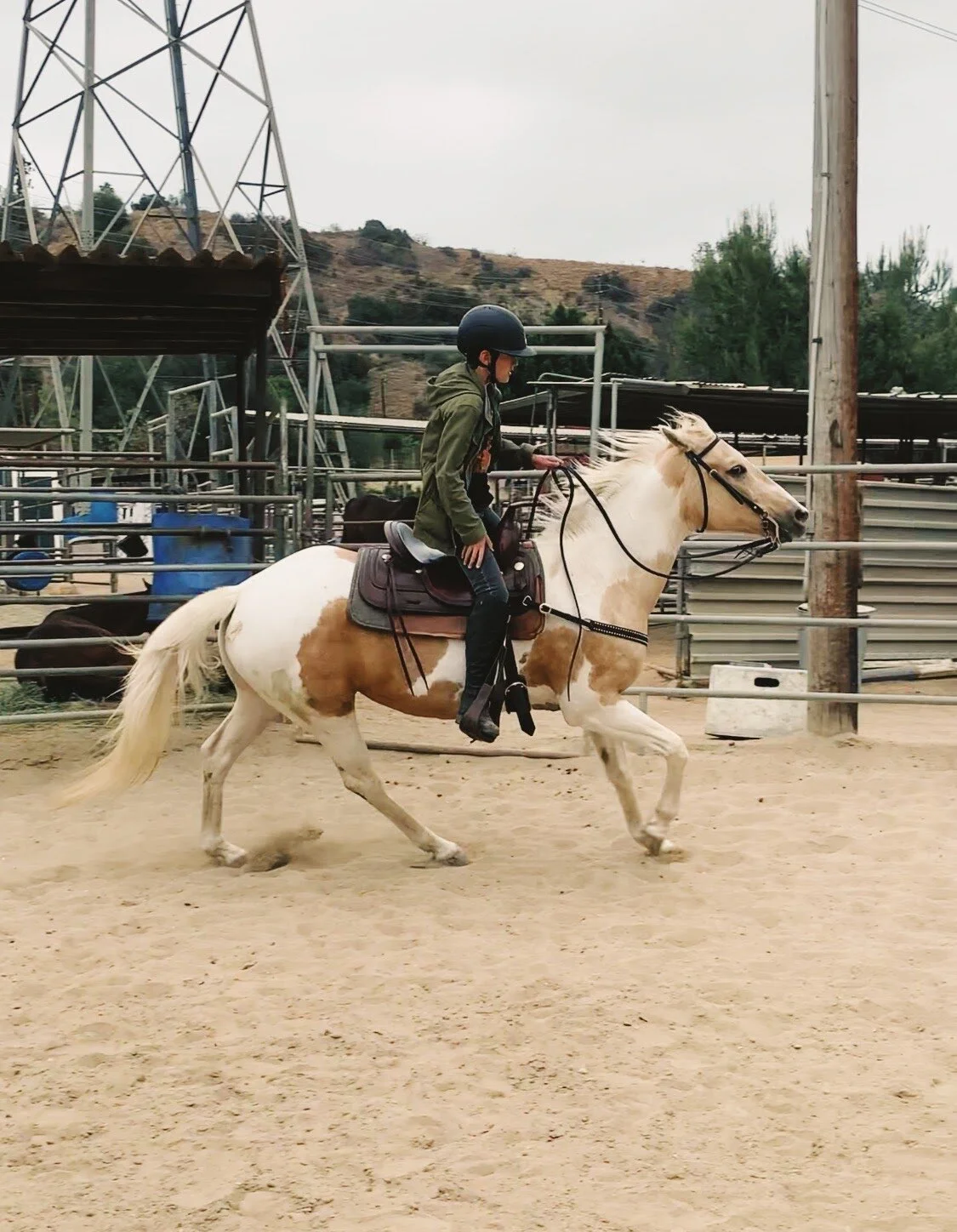
Yet we continue to meet in the homeschool room week after week, on some afternoons studying world history and exploring ways to use a scientific calculator, on others drawing complex geometric figures and discussing the characters and themes in books we have read. Many nights we build a fire in our backyard, set up a telescope, and look at the moon. Every morning we ride our horses and listen to music. Instruments are practiced (almost) daily.

A new phase is always around the corner.
By the middle of May we spend more time outside. Our school days get a little shorter. We start looking back at the terrain we have traveled, and what remains to be studied.
This is when the magic happens.
“In his book, The Education of the Child, Rudolf Steiner states that an individual’s personal development often takes place on two levels. He notes that there is the change that occurs on the surface, quick change, like the movement of a minute hand on a clock...but more significant changes, changes in habit, temperament, and character, in short, changes in human nature, occur like the movement of the hour hand.” -- Jack Petrash, Understanding Waldorf Education: Teaching From The Inside Out
I ask my son to complete an assignment. What at the beginning of the year took 3 separate class sessions, now takes one sitting. Unable to believe that this is happening, I ask for a little extra. The work is completed. I ask for just a little more, perhaps a simple illustration, or further explanation. It is done without comment.

A sample of student work as they discover the life-cycle and ancestry of bees.
And I say to myself, he has crossed the finish line.
For now.
The hope is that he never sees a finish line, forever finding new ways to challenge himself, and grow.
It is a privilege to be part of the process.

About the Author
Cristina Havel lives in Southern California where she and her husband have worked together for nearly 2 decades. They homeschool their son using the Waldorf pedagogy as a guide and believe in the transformative powers of art and nature.




Keep it Simple: Choosing Stories or Imaginations for Form Drawing
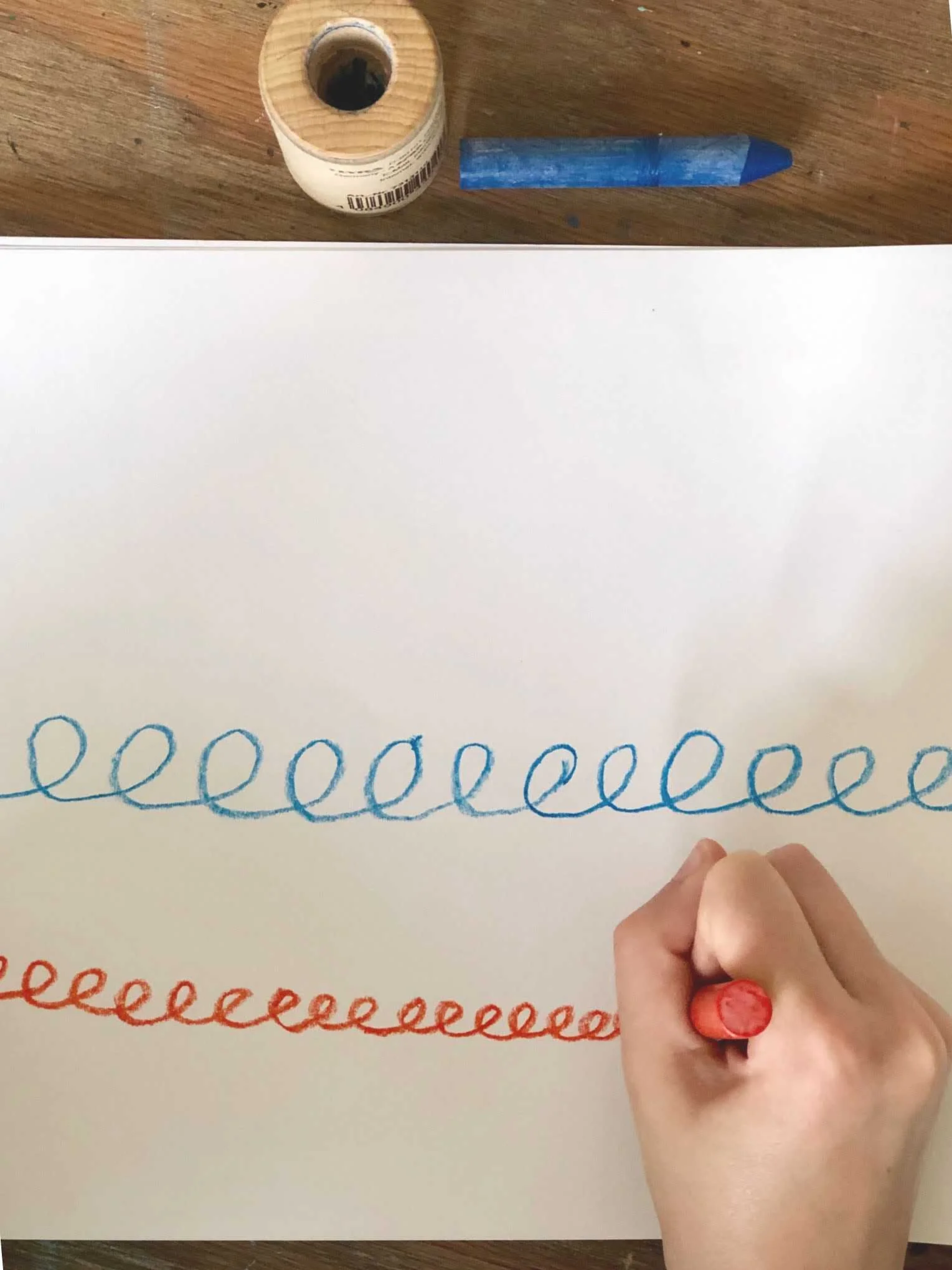
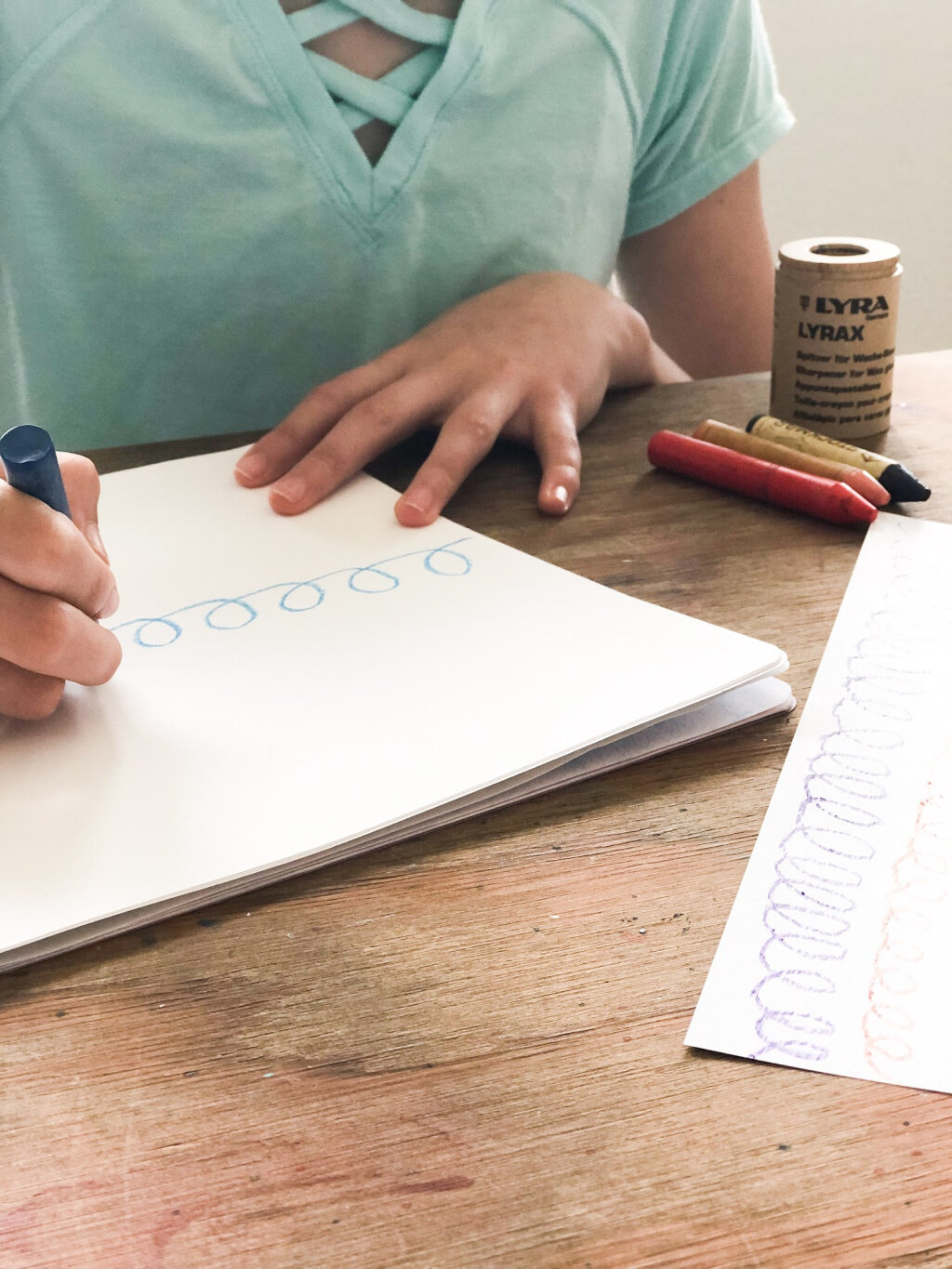
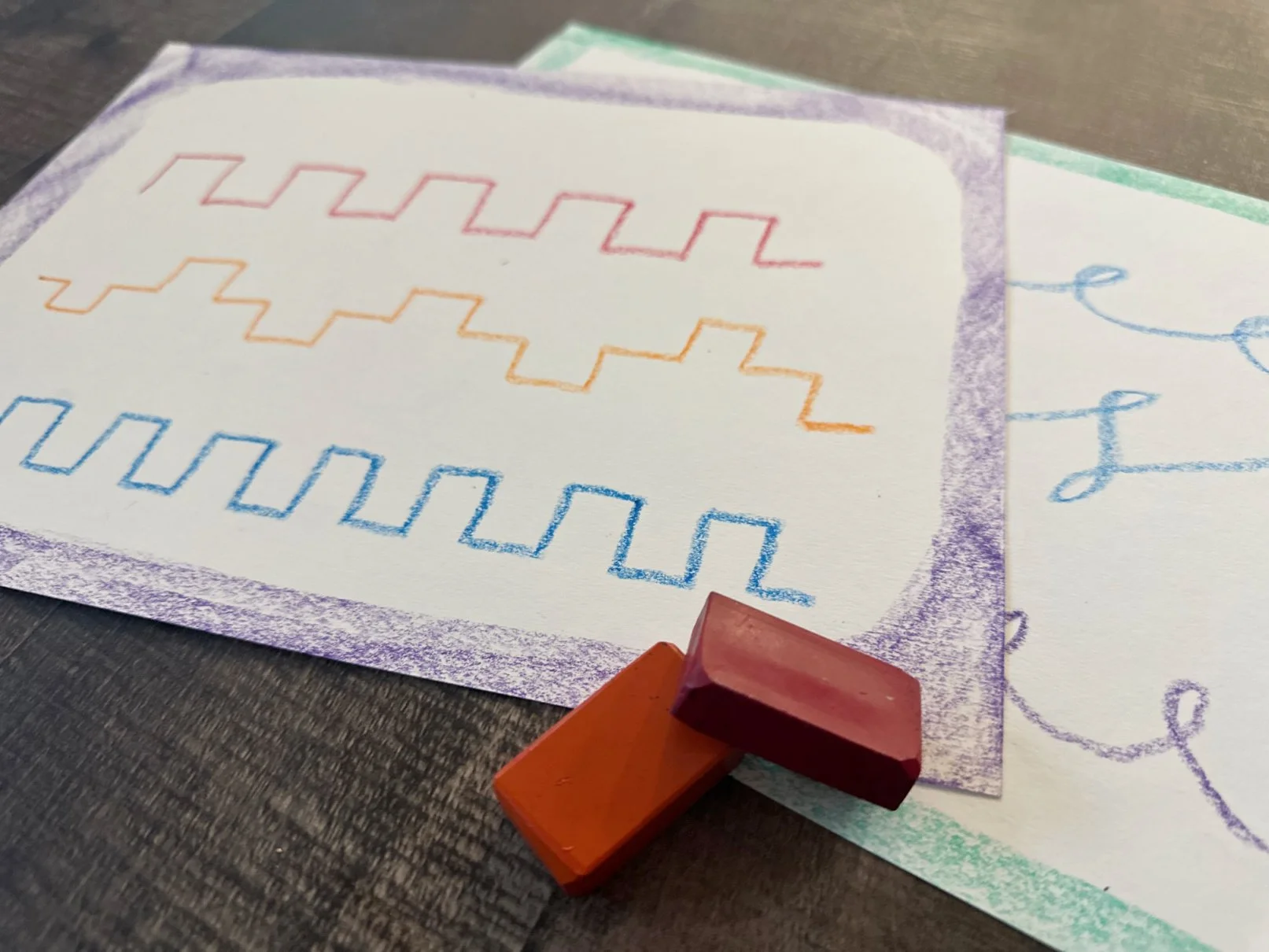
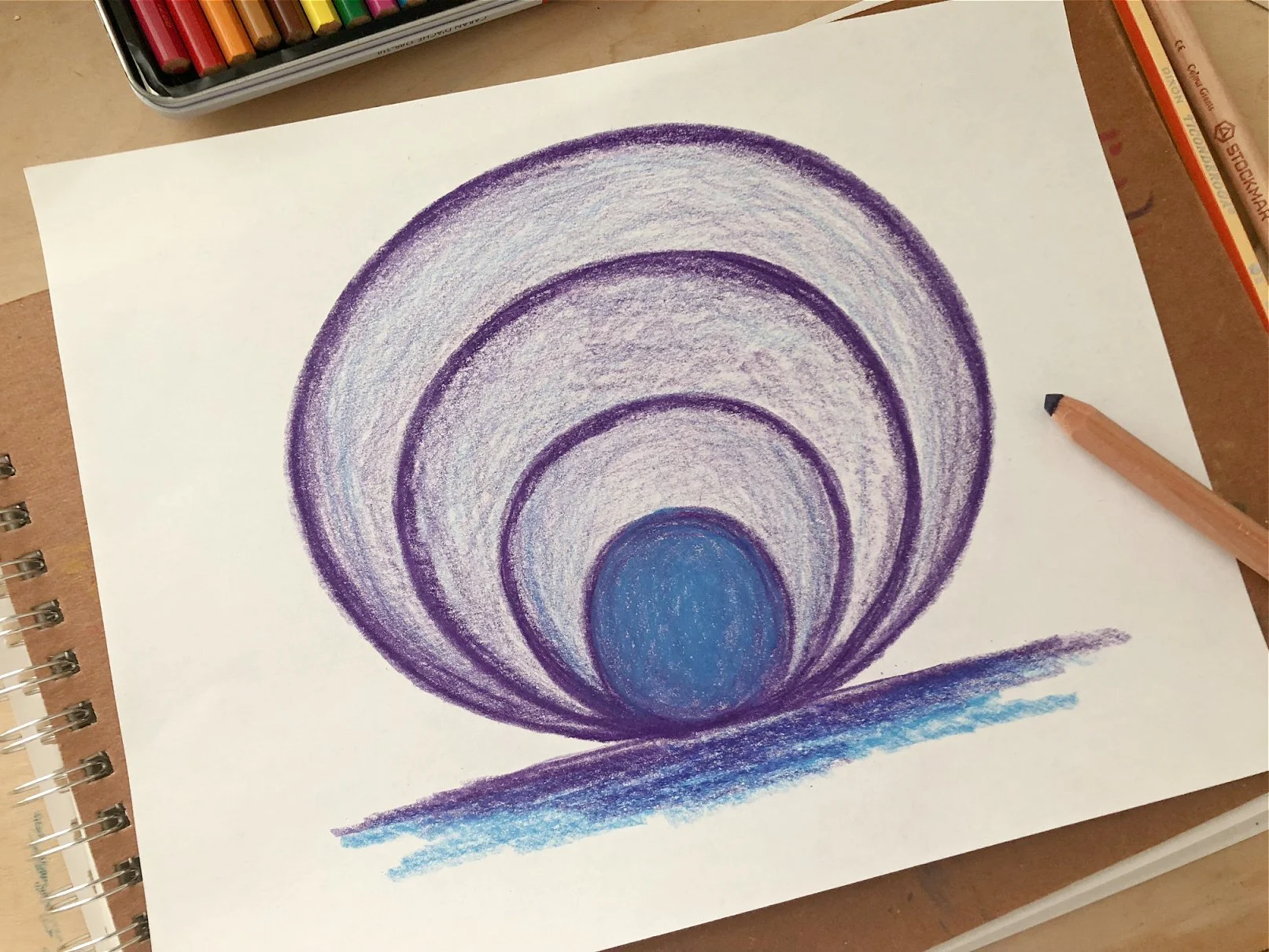
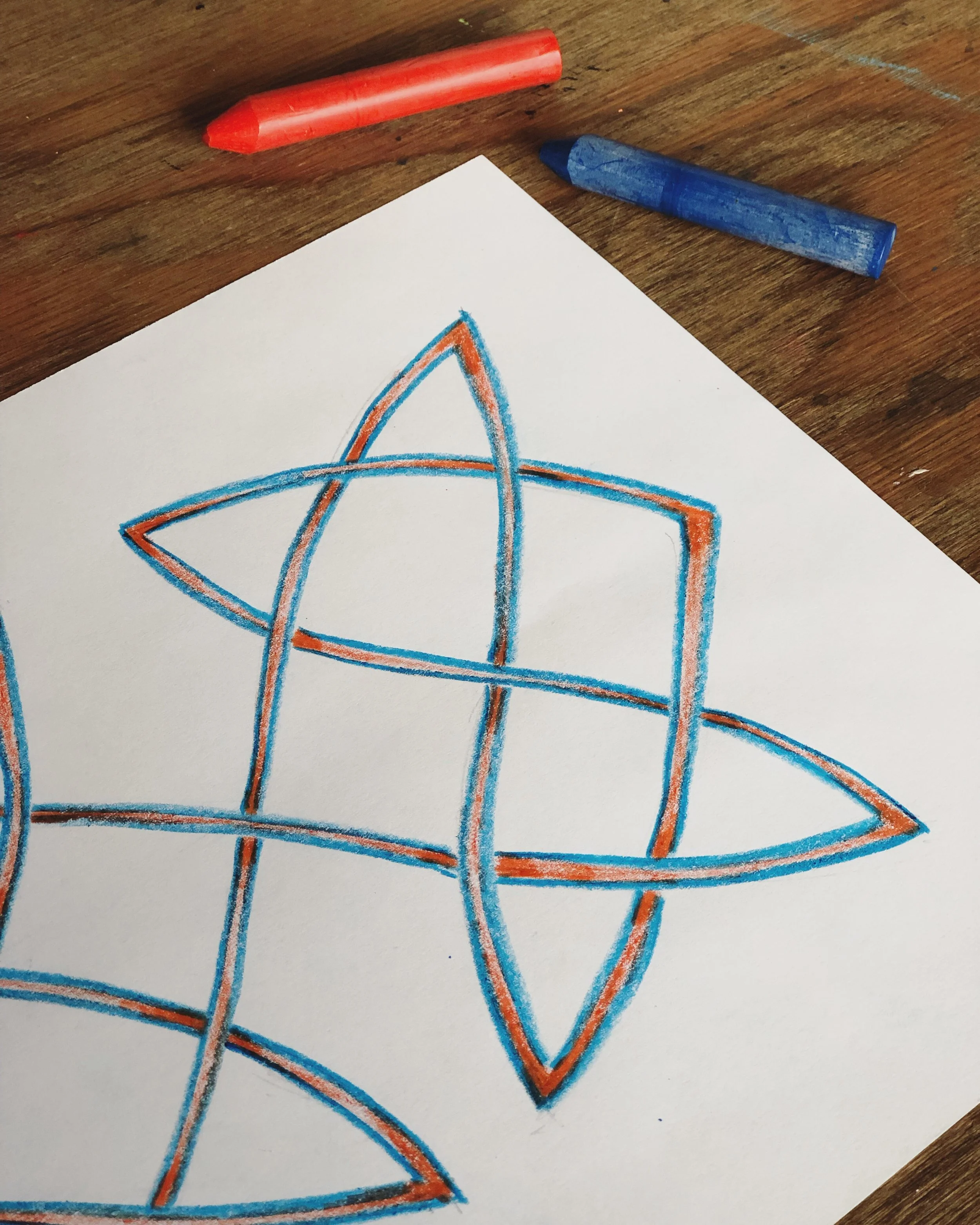
With Waldorf form drawing, keep it simple and doable!
Waldorfish Form Drawing teacher Rev Bowen was recently asked by a caregiver about whether form drawing lessons need to include full stories, or not. We wanted to share his thoughts with the Waldorfish community at large!
Here is a commonly-asked question in regard to form drawing: "Do I need to tell a story before every lesson?"
I had this question too. It makes sense to have this question.
In terms of main lesson work, the story is the "drop of light". Every consequent lesson should have some root in the preceding story. This integrates the learning. The imagination of the story, the images that the child built while listening to the story being told, will germinate through the process of sleep and provide a warm-earth, nutrient-rich loam for the growth of new learning and understanding. 2+3 can be a fun and flexible math lesson when it is brought out of a story.
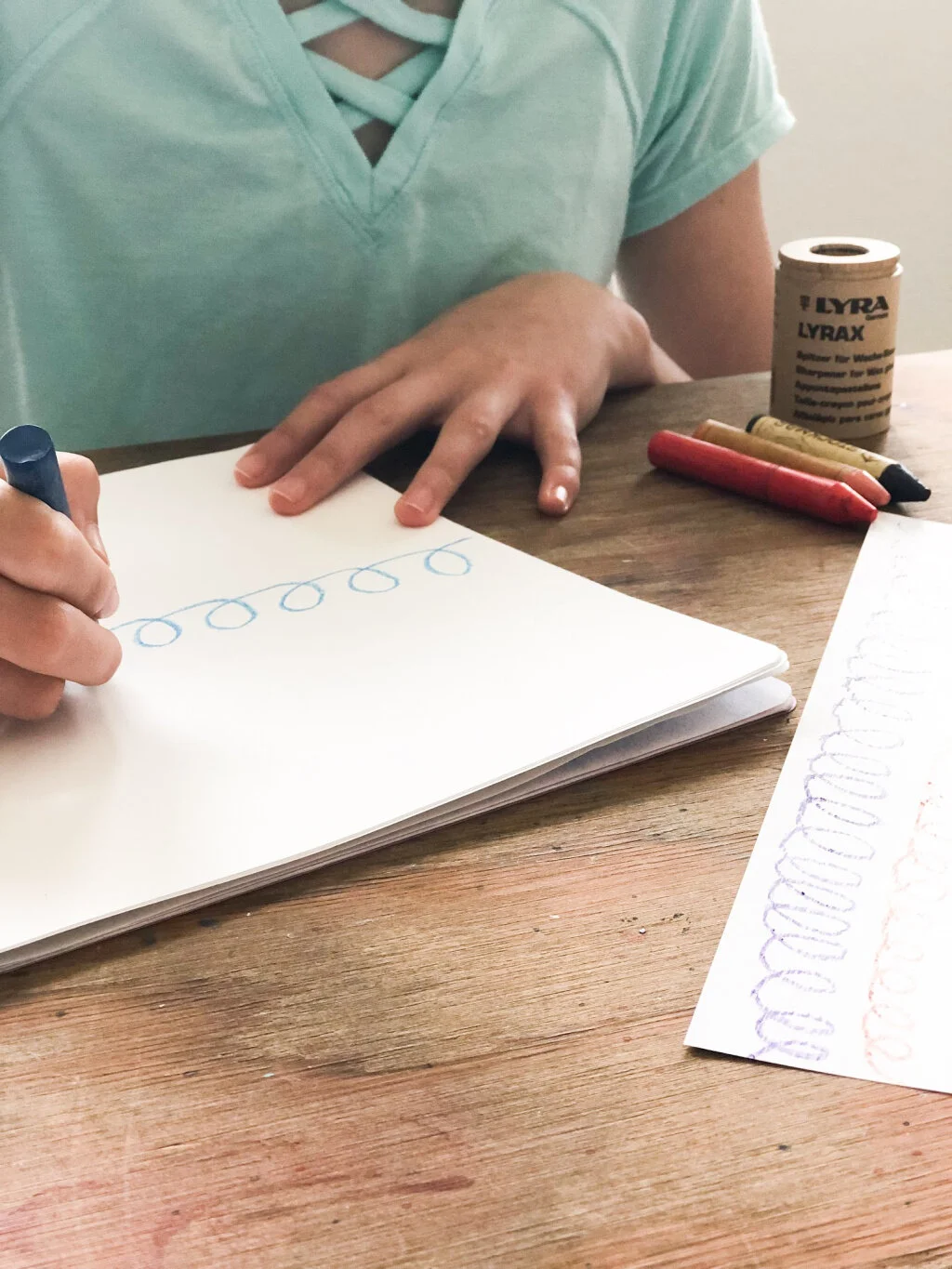
Form drawing is all about the process and the practice!
*So, why would we not tell a story before other lessons too?
It is truly possible to have too much of a good thing.
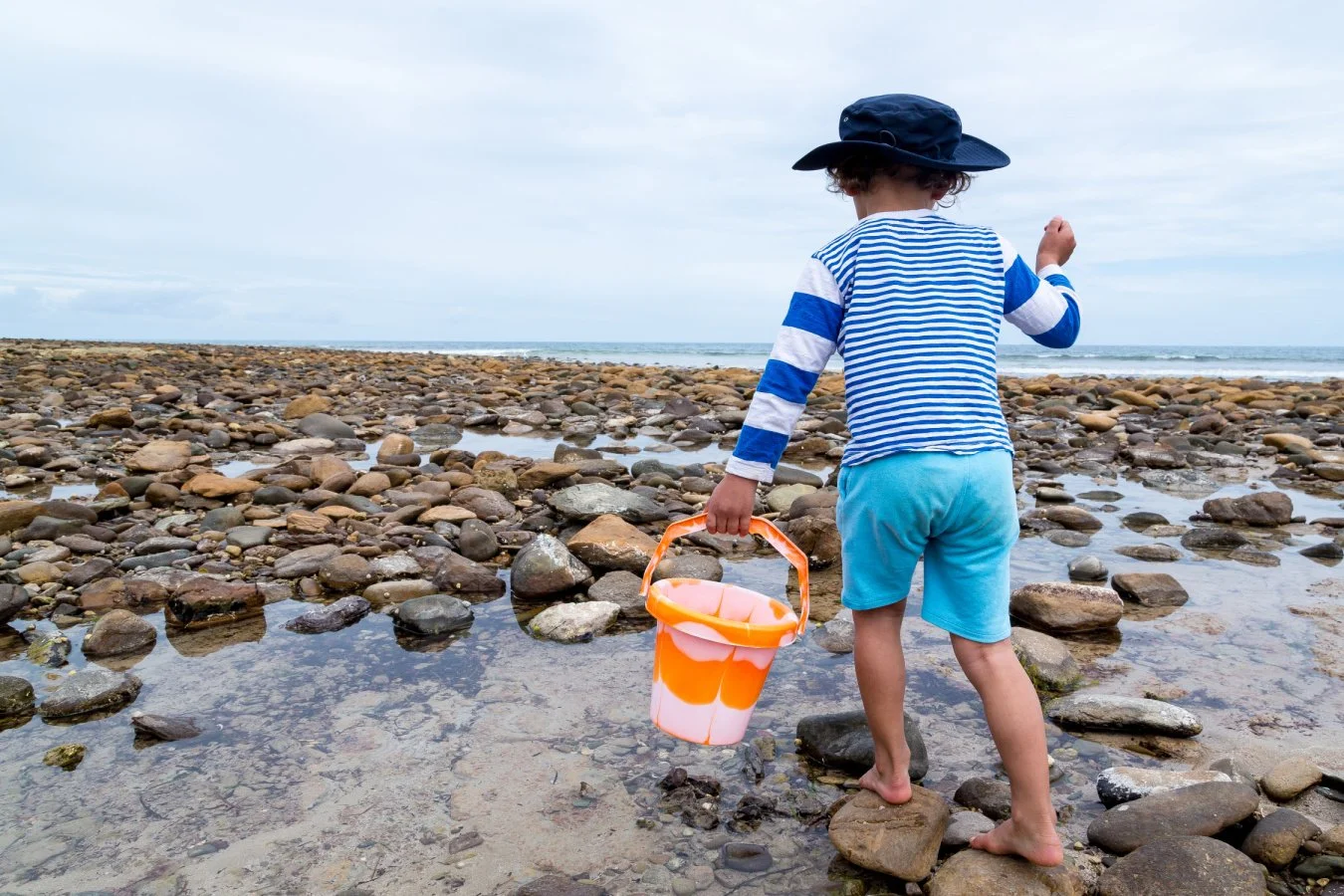
So, too many stories living in the child's soul will create diminishing returns. That is why I only use little imaginations for form drawing. Yes, we want them to enliven their work with imagination, but imagination does not require a full story. The image of a waterfall, assuming the child has actually experienced a waterfall in real life, is usually plenty to enliven the idea of a straight line from top to bottom, for example.
So, if you have felt any pressure to be a bottomless well of stories, I am happy to tell you that there is no need.
Simple images, especially from nature, can be very effective. And the great thing about it is that we will improve the more we use them. The world is full of images and examples. The more we start to use them, the more they become obvious to us.
~Rev
More resources related to form drawing:






Who our courses are for.
Waldorf at home this year?
Since 2012, we’ve been crafting online courses for independent homeschoolers, and Waldorf teachers seeking training in specific subjects.
Additionally, many families using a packaged or “all-in-one” Waldorf homeschool curriculum use our à la carte courses for further enrichment and to supplement gaps. (Because let’s face it, no single curriculum will meet the needs of every child!)

Bring Waldorf art to your homeschool rhythm- we’re ready to support you along the way!
Please reach out with questions. Here’s a quick summary of what we offer, and who the intended audience of each course is:
Ideal for children working independently
and also for adults who are planning/training:
These courses can be used in a variety of ways, by both children and adults:

Are you ready to bring Waldorf art techniques to your homeschool routine? We can’t wait for you to join us!
Ideal for adults & children working in tandem or
solo adults for planning/training:
Ideal for adult caregivers:

Science in the Waldorf Middle School: Starting Something New

Student work from a Waldorf seventh grade physics main lesson book.
Teaching “science” oftentimes sounds a little bit overwhelming, especially to those of us teaching at home, or who haven’t opened a science textbook in a while!
Throw in trying to make science appeal to middle schoolers, and it may sound downright scary to jump in and teach!
Additionally, when one begins to research how science is taught in the traditional Waldorf way, it doesn’t take long to run into big words like “phenomenology,” quotes from Goethe, and long, vague supply lists.
Phew. No wonder we get overwhelmed, right? But no fear!
Teaching science for grades 6-8 really is possible for any educator who is enthusiastic, takes a little time to get organized, and is ready to explore the natural world in a new, exciting, and downright fun way!
(Honestly, this mindset applies to teaching the middle grades in general! To learn more about Waldorf middle school curriculum, click here!)
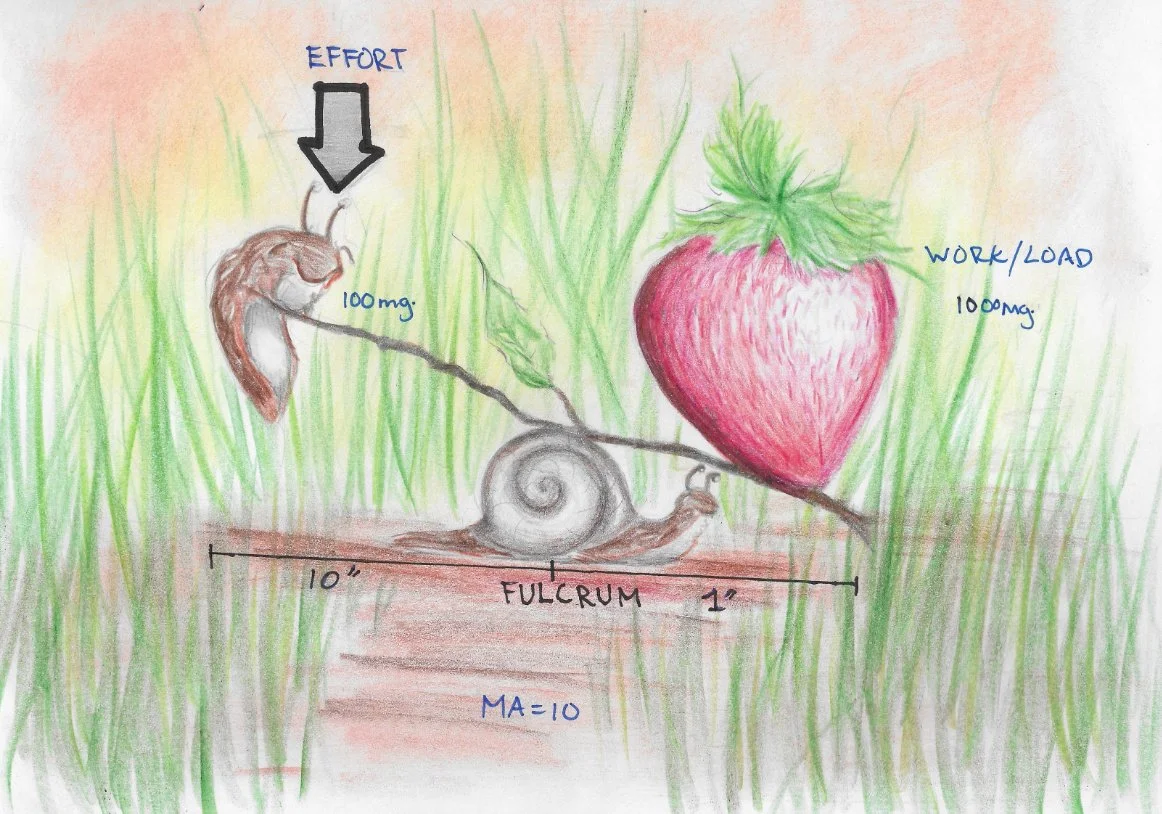
Though science is woven into the early grades from day one (think: teeter totters in kindergarten, botany in fifth grade, the study of man and animal in fourth grade, the study of agriculture in third, and so on) sixth grade marks the beginning of focused, scientific study. More specifically, we’re talking about physics and chemistry.
There are many reasons for this shift, and with most (all?) things in Waldorf education, it has to do with the development of the child, and where they find themselves around middle school age (12-14 years old).
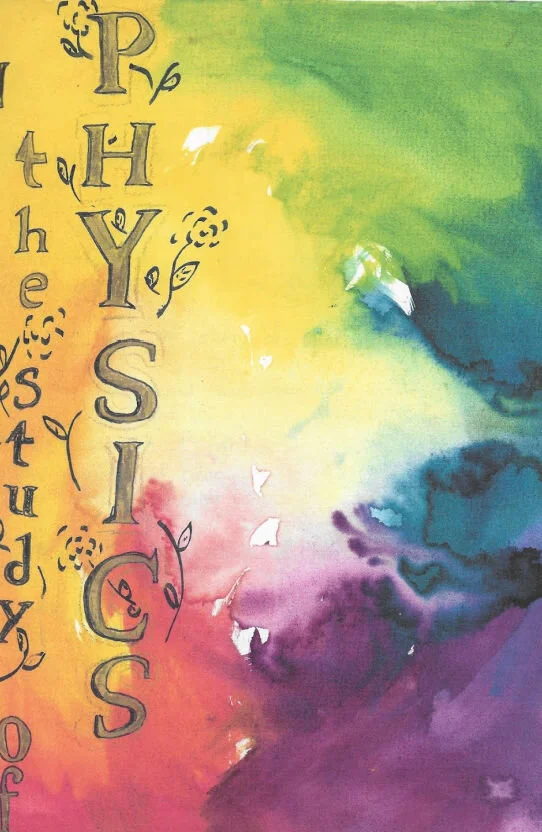
In Waldorf education, studying science is a colorful, vibrant experience!
A middle schooler is moving out of early childhood, and losing some of their awe and curiosity and inquisitiveness for their surroundings, and are beginning to ask what the natural world has to hold for them. And of course, many children are experiencing puberty, which is a huge shift in their emotional and physical body, to say the least!
So, why science? Studying subjects such as physics and chemistry in middle school rekindles excitement for the natural world through a child’s own observations.
The child is asked to use their senses, and budding logical thinking in new ways to discover laws of the natural world. The scientific demonstrations provide a chance for the child to see the cause and effect of nature right in front of them: “If this…, then that…'' How comforting for a child living in the tumultuous chaos that is so often associated with puberty, middle school, and teenage years!
Teaching science is also a shift for the educator.
Instead of memorizing stories or material, prep for these blocks require gathering of supplies, and practicing demonstrations (which we highly suggest doing early on and with plenty of time to play and prepare!)
It’s hands-on, active, and engaging, and perfect for the middle schooler! Remember that word “phenomenology?” That’s what the educator is curating here: a study of nature’s lawful phenomena in accessible, doable, and fun ways.
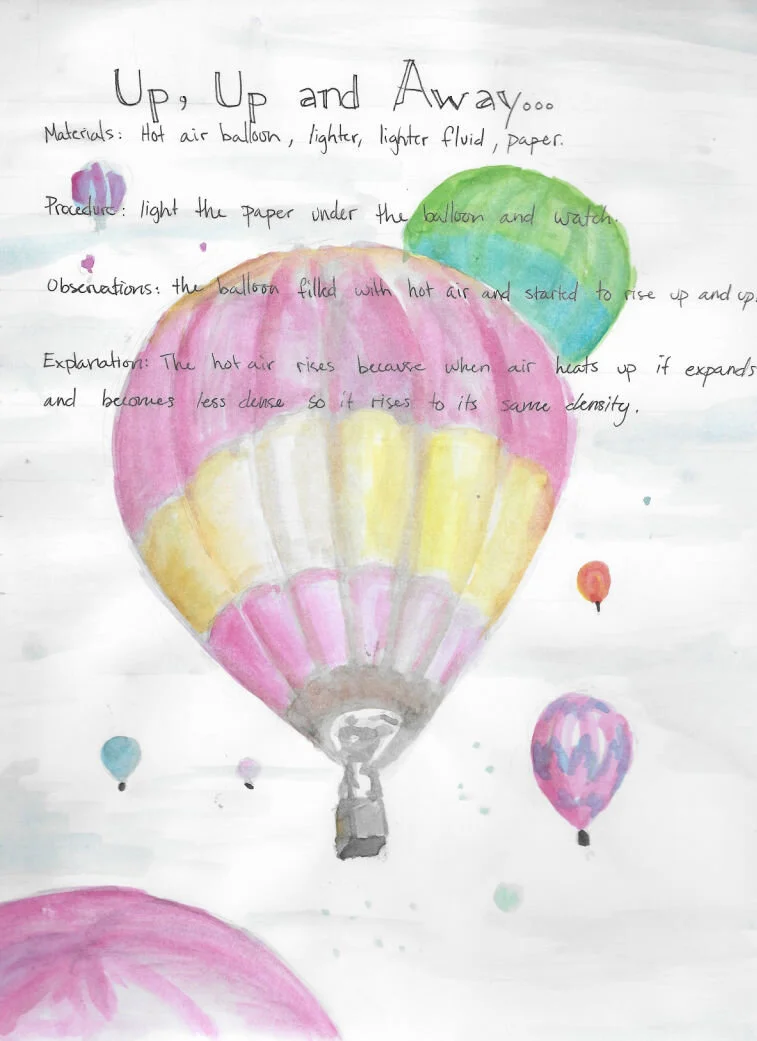
Student work from a Waldorf science main lesson book.
Instead of presenting information through story or otherwise in front of the child, the teacher is now demonstrating a law of nature through an experiment, without saying much of anything!
That’s right: the educator uses conversation to guide and moderate, but ultimately, it is the job of the child to discover scientific law.
A teacher may ask “What did you hear? See? Smell? Feel? What did you notice? How do you know that to be true?” and consistently brings the children back to using their concrete observations, while allowing them to find their way to a solid scientific conclusion.
The educator doesn’t do much “telling,” but instead validates, confirms, and encourages a middle schooler’s growing ability to discern and discover nature’s many laws.
It’s exciting stuff, and marks a shift into a new paradigm for both the teacher and student, one where the educator takes on less of a direct role, and cultivates the independence and skills of the student to bloom.
So, are you ready to jump in and teach some science? We promise, with sufficient preparation, and faith in your own and your student’s abilities, you’ll enjoy teaching science more than you ever expected!
Are you interested in bringing Waldorf-inspired science courses to your homeschool curriculum?
Check out our physics and chemistry courses for grades 6-8! Our amazing instructor, Ari Magruder, has created online courses that provide everything you need to bring the joy of discovery and exploration to your student’s educational experience.

About the Author
Ari Magruder is currently the middle school science and math teacher at Sacramento Waldorf School. She also contributed to the teacher education and summer Art of Teaching programs at Rudolf Steiner College for many years.
Looking for something?

Welcome to Waldorfish! We started this adventure in 2012 out of a desire to make Waldorf training more accessible to class teachers in remote locations and to homeschooling families everywhere! Read more, click here.




WE WON! Our Weekly Art courses were voted “best interactive art program.” Learn more about the award, here.


Click here for a full list of schools we work with.
A few of our most popular blog posts:

Who are our courses for?

Starting Waldorf First Grade
4 Things to Know Before Planning Your Homeschool Year

In Praise of Balance: A Healthy Festival Life
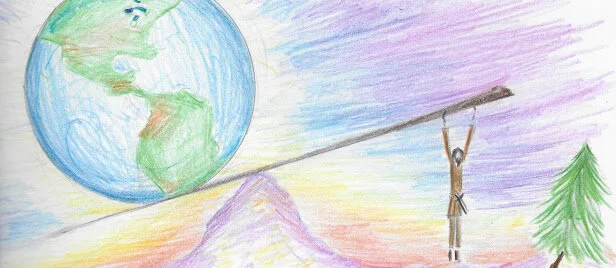
Science in Waldorf Middle School: Starting Something New!